
Unbiased headlines. Facts, not spin.
Unbiased Headlines is an independently owned news organization. We bring you the facts, not opinions, written fresh from 110+ named sources. Sources linked so you can verify it yourself.
 defense
Major Story (7/10)
Iran Says IAEA Gets No Access to Damaged Nuclear Sites Until War Has 'Permanently Ended'
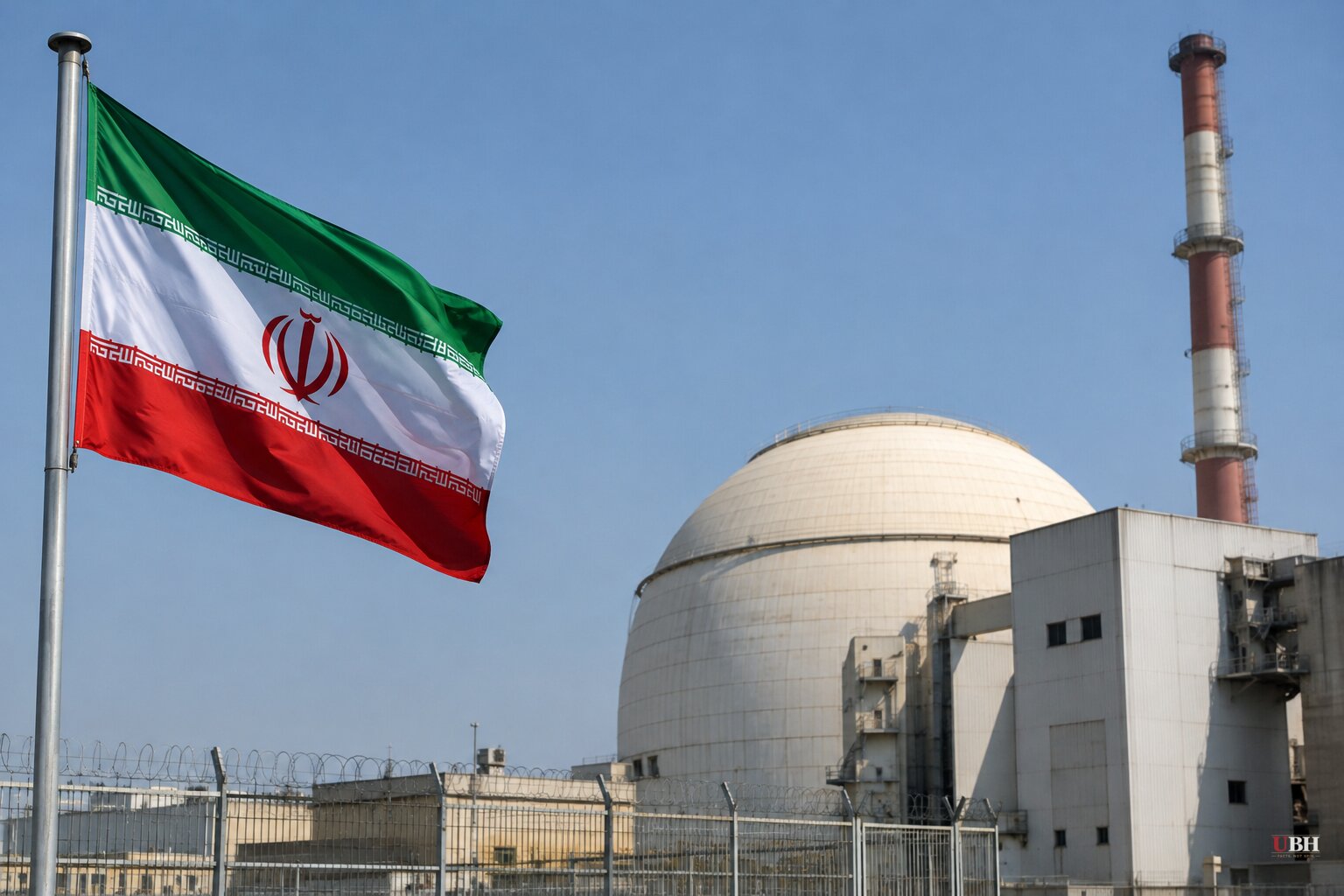
Since inspections of Iran's nuclear sites were suspended after last year's 12-day war with Israel, in which the U.S. also struck Iranian facilities, the International Atomic Energy Agency has had no access to the damaged sites. Iran now says that will not change until the current war is over.
"We will not grant the IAEA access to the facilities until Iran's conditions are met and the war has permanently ended," Deputy Foreign Minister Kazem Gharibabadi said in a televised interview late Sunday, Nov. 15. He did not detail the conditions in the remarks.
The comments came days after the IAEA urged Tehran to take steps toward resuming inspections.
What Iran says about the request
Gharibabadi said the agency's request to inspect damaged facilities was "likely aimed at assessing the effectiveness of American weaponry." That is his characterization. The IAEA has not said that is its purpose.
Iranian officials have offered a similar line before. Foreign Ministry spokesman Esmail Baghaei said in an interview published Nov. 9 that no inspection mechanism currently exists for damaged facilities. He said inspectors still visit sites that remain accessible, such as the Bushehr power plant.
What the IAEA says it cannot see
A confidential IAEA report to member states, obtained by Reuters and dated Friday, Nov. 13, says the agency does not know the exact location or safeguards status of the Isfahan Fuel Enrichment Plant. It also cannot say whether the site contains nuclear material.
Iran declared the plant one day before the Israeli and American strikes began in June 2025. Inspectors had been due to visit. They never got in.
The Times of Israel, citing the same report, said the IAEA told members it cannot conclude that no declared nuclear material has been diverted from peaceful activities in Iran. It also quoted the report as saying Director General Rafael Grossi "encourages Iran to consider technical and gradual measures" that would allow inspectors to return.
Grossi has previously indicated that a significant share of Iran's most highly enriched uranium is believed to be stored in the Isfahan tunnel complex. In September he told Bloomberg Television the agency has "no concrete information as to activities that may be taking place there." "Of course, we need to go there," he said. "When we regain access, we need to go back to Fordow, as we need to go back to Isfahan, and so on."
The IAEA's position is that the attacks created a new situation but do not remove its need for access. Grossi said last month that Iran has not provided the access and information needed to verify previously declared material at safeguarded sites, with Bushehr the exception. Communications continue at a technical level, he said, but normal inspections have not resumed.
Grossi also said Iran has been working with the agency on safeguards equipment for verifying spent fuel before it moves to a new dry storage facility. He expects that transfer early next year.
The uranium stays home
Tehran has also ruled out shipping its enriched material abroad. Mohsen Rezaei, identified as secretary of Iran's Supreme National Security Council, told Lebanon's Al Mayadeen in an interview published Nov. 10 that Iran had told Russia all enriched material will remain inside the country. Russia has previously offered to take it.
"We need enriched materials to design ships and submarines powered by nuclear energy," Rezaei said. Baghaei called a transfer "off the table."
Retired Brig. Gen. John Teichert said on Fox News on Friday that Iran could be rebuilding parts of its nuclear program during the lull in American strikes, and that the first priority is establishing what the program's current status is. That is his assessment. Without inspectors on site, neither he nor anyone outside Iran can confirm it.
Shipping and Yemen
The standoff is playing out alongside fresh incidents at sea. On Monday morning, Nov. 16, the U.K. Maritime Trade Operations Center said a tanker transiting outbound through the Strait of Hormuz was "struck by an unknown projectile," causing an engine room fire. All crew were accounted for and no casualties were reported.
Iran's state broadcaster, citing the navy, gave a different account. It said a tanker east of the strait caught fire after hitting a naval mine in a "restricted area" that "exposes offending vessels to serious risks." The two accounts differ on the cause and the location, and it is not confirmed they describe the same ship.
On the Red Sea side, the Southern Armed Forces, a group allied with Yemen's Saudi-backed government, said its fighters pulled out of areas along the Bab el-Mandeb Strait under Houthi attack. The group said it will focus on securing Aden and breaking the Houthi siege of Taiz. The withdrawal lets the Houthis consolidate their hold on a chokepoint for Saudi oil exports.
What comes next
With no inspectors at Natanz, Fordow or Isfahan, the question of how much enriched uranium Iran holds, and where, remains open. The IAEA's next formal read on that comes through its reports to member states, and Iran has now tied any change to the end of a war that shows no sign of ending.
Sources used for this briefing
7 links from 7 independent newsrooms (syndicated copies of the same report count once)
These are the sources it draws on, linked so you can verify.


