
Unbiased headlines. Facts, not spin.
Unbiased Headlines is an independently owned news organization. We bring you the facts, not opinions, written fresh from 110+ named sources. Sources linked so you can verify it yourself.
 defense
Major Story (7/10)
Army major files whistleblower complaint alleging Pentagon ignored warnings before Kuwait strike that killed six
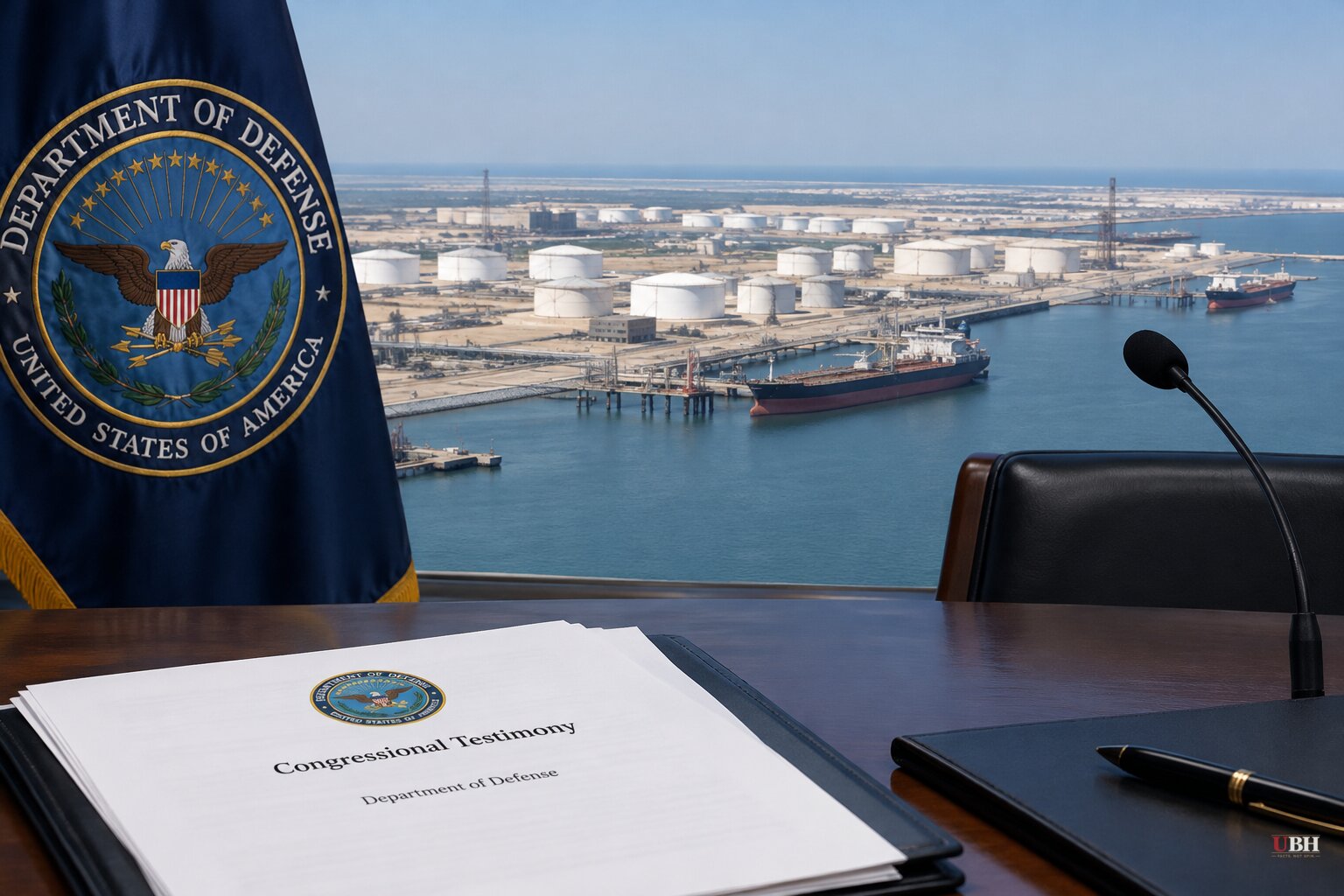
A soldier who survived the deadliest day of the Iran war for U.S. forces is now accusing the chain of command of failing to protect them.
Army Maj. Stephen Ramsbottom filed a whistleblower complaint with the House and Senate Armed Services committees on Friday, Nov. 13. He laid out his case publicly on CBS's "60 Minutes," in an interview with Norah O'Donnell that aired Sunday, Nov. 15.
What happened at Port Shuaiba
On March 1, an Iranian drone hit a makeshift tactical operations center at Kuwait's Port Shuaiba. It came in the opening days of Operation Epic Fury, a day after the U.S. and Israeli campaign began on Feb. 28. Six Army Reserve soldiers were killed, and dozens more were wounded, Ramsbottom among them.
The dead were Capt. Cody Khork, 35; Sgt. 1st Class Noah Tietjens, 42; Sgt. 1st Class Nicole Amor, 39; Sgt. Declan Coady, 20; Maj. Jeffrey O'Brien, 45; and Chief Warrant Officer Three Robert Marzan, 54. They were the earliest U.S. service members killed in the war.
Ramsbottom was deputy chief of operations for the Army Reserve's 103rd Sustainment Command, a logistics unit.
The allegations
Ramsbottom says the site was built to stop ground threats and nothing else. "It was designed to stop car bombs and threats like that," he told "60 Minutes." "There was nothing there designed to protect from an aerial attack."
He says he raised the problem twice in meetings with Maj. Gen. John Hinson, the officer in charge of logistics at U.S. Central Command. According to Ramsbottom, Hinson answered: "We don't have to worry about protection." He also says he had seen intelligence reports that identified Port Shuaiba as a potential Iranian target.
Leaders later said they would try to get a counter-drone system to the site. Ramsbottom says it "never arrived at Shuaiba and we don't know if it was ever even ordered to or requested."
The complaint adds a medical charge. The installation had no physician and no fixed aid station, and only one ambulance, according to the disclosure.
These are Ramsbottom's allegations. The Pentagon did not immediately respond to CNN's request for comment, and Hinson's account of those meetings has not been made public.
A self-indictment too
Ramsbottom did not exempt himself. He called the attack "a tactical failure by the Army, our leadership, and myself, all the way down to my level."
"We just did not plan this well, and this needs to be a lesson that we learn," he said. He added that some people called the operations center a "trailer park."
His account has been consistent. In an April interview with Colorado station KOAA, he said the base was "well-fortified for that type of thinking from pre-Russian invasion of Ukraine," but "wasn't well prepared for the type of fight that we're getting into."
The Pentagon's version
Hegseth addressed the strike at a press conference after it happened. He said America has incredible air defenders and that a projectile had gotten through. In his telling, an occasional breach is a reality of air defense, and a drone or missile can hit a protected location despite existing safeguards. He described the building as fortified.
That description is contested. A source familiar with the site told CNN it was ringed only by concrete barriers that protect against car bombs, with nothing to shield it from drones or missiles. The same source said the attack came with no warning and no sirens to send troops to a bunker.
Other survivors have told CBS something similar. One said the unit "was unprepared to provide any defense for itself. It was not a fortified position." Another called the site "a bunch of little tin buildings." The site did have T-walls, which are designed against mortars and rockets. Survivors questioned how well they would hold up against drones and missiles.
The disagreement is narrower than it sounds. Hegseth's point is that even a well-defended site can be hit. Ramsbottom's point is that this one had no defense against the aerial threat in the first place.
Congress moves in
Sen. Richard Blumenthal, the top Democrat on the Senate Permanent Subcommittee on Investigations, has asked Hegseth to attend a classified briefing and to hand over all force-protection assessments for the Shuaiba facility.
The complaint also lands as Democrats prepare wide-ranging investigations into the Trump administration's handling of the Iran war once they take control of Congress in January. That gives the allegations a political audience. It does not change the questions they raise.
Those questions are specific and answerable from records. Did intelligence reports flag Port Shuaiba as a target? Were counter-drone assets ever requested for the site? Who signed off on its protection level, and why was there no physician or aid station? The force-protection assessments Blumenthal wants would address several of them directly.
The Armed Services committees have not said whether they will open a review of the complaint. The Pentagon has not said whether it will release the assessments.
Sources used for this briefing
7 links from 7 independent newsrooms (syndicated copies of the same report count once)
These are the sources it draws on, linked so you can verify.


