
Unbiased headlines. Facts, not spin.
Every story is an unbiased news briefing written from 110+ sources across the spectrum — sources linked so you can verify it yourself.
 defense
Major Story (7/10)
June 3, 2026 at 01:07 PM
defense
Major Story (7/10)
June 3, 2026 at 01:07 PM
Iran Hits Kuwait Airport While America Waits for a Deal That Doesn't Exist Yet
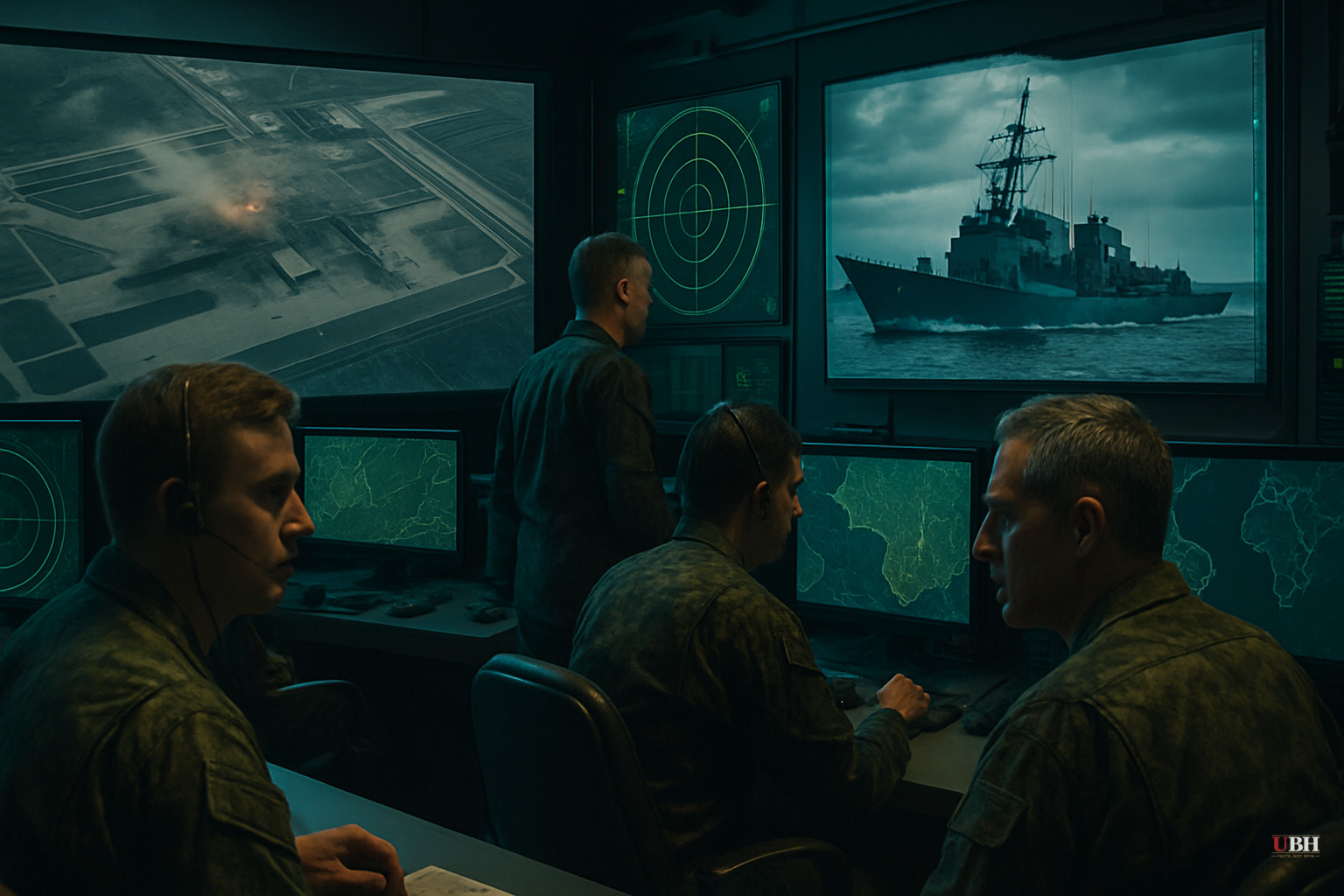
Since the U.S. struck Qeshm Island and Iran retaliated across the Gulf, the conflict has opened a dangerous new front: civilian infrastructure.
Iran fired 13 missiles and 17 drones at Kuwait International Airport on June 3, according to ZeroHedge citing Kuwaiti defense ministry spokesperson Brig. Gen. Saud Abdulaziz Al-Atwan. One person is dead. Sixty-three are injured. Seven emergency surgeries were performed. A passenger terminal took a direct hit, including damage to diplomatic facilities inside the airport.
It was a commercial airport, not a military base.
Al-Atwan called it "criminal Iranian aggression." Kuwait suspended all air traffic and diverted arriving flights. The Gulf Cooperation Council condemned the strike.
The Diplomatic Fiction Is Collapsing in Real Time
President Trump told the New York Post's "Pod Force One" podcast Wednesday that Iran has "already agreed" not to have nuclear weapons. "Oh yeah, they've agreed to that," he said — then immediately undermined the entire claim by adding, "I mean, now they can change their mind."
That's not a confirmed deal. Iran's foreign ministry declined to comment on Trump's interview when contacted by CNBC. Iranian state media outlet Fars reported that "exchange of messages between Iran and the U.S. has been stopped for at least a few days" on the Memorandum of Understanding. Meanwhile, Secretary of State Marco Rubio told the Senate Foreign Relations Committee Tuesday that talks are "ongoing" and claimed Iran has agreed to negotiate "aspects of their nuclear program" that it refused to discuss even a year ago.
Trump says there's a deal. Iran says there's no deal. Rubio says there's a process. Iran's own media says the process stopped days ago.
According to The Atlantic, which obtained details of a late-May Situation Room conference call, Trump asked leaders from Saudi Arabia, UAE, Qatar, Turkey, Egypt, Jordan, Bahrain, and Pakistan to back his Iran deal and simultaneously expand the Abraham Accords. He got silence. Multiple times during the 90-minute call, Trump reportedly had to interject: "Hello? Hello? Anyone there?"
Oman Is Getting Squeezed
The Wall Street Journal reported Tuesday that the Trump administration threatened to sanction — and potentially bomb — Oman after an intelligence assessment concluded Muscat was planning to join Iran in tolling vessels through the Strait of Hormuz. Oman denies it.
Oman has walked a careful line, providing some logistical support to U.S. forces early in the war while refusing to explicitly condemn Iran. Trump's response at a cabinet meeting last week was direct: "Oman will behave just like everybody else, or we'll have to blow them up."
Threatening a neutral Gulf state that assisted U.S. forces raises strategic questions. Historically, Oman has served as a key diplomatic back-channel for Washington.
The Market Is Pricing in More Pain
Brent crude climbed 2.3% to top $98 a barrel Wednesday morning, according to ZeroHedge. WTI is trading around $96. Heating oil is up 3.89%. The 10-year Treasury yield climbed four basis points to 4.48%.
Goldman Sachs CEO David Solomon warned this week, according to OilPrice.com, that the oil shock is approaching a threshold where it permanently alters consumer behavior — not just delays purchases, but changes them. That's a different animal than a temporary price spike.
India is already there. According to OilPrice.com, India's oil demand growth is expected to fall to pandemic-era lows as gas rationing has begun. OECD chief economist Stefano Scarpetta told CNBC's Squawk Box Europe that some nations, like Japan and South Korea, have large reserves to absorb the shock. Countries like India do not.
The OECD baseline scenario — a quick peace deal and swift reopening of the Strait of Hormuz — looks unlikely given Wednesday's airport attack.
Tungsten Supply Crisis Looms
While media focuses on oil, another supply crisis is building that will outlast this war regardless of how it ends: tungsten.
According to CNBC, simultaneous wars in Ukraine and Iran have drained U.S. tungsten stockpiles, which are critical for weapons manufacturing. China controls roughly 80% of global tungsten supply and clamped down on exports in February 2025, citing national security.
Mark Vena, CEO of SmartTech Research, told CNBC: "Tungsten is the metal nobody talks about until missiles, factories, and machine shops all need it at the same time." He described the current situation as "one ugly supply chain knot."
Unlike oil, the tungsten crunch doesn't ease when the Strait reopens. The munitions burned in this conflict are gone. Rebuilding those stockpiles takes years, not months.
A Trump family-linked investment in a Kazakhstani tungsten mining project has attracted scrutiny, according to CNBC. That detail deserves a separate investigation.
Bahrain Went Bond Shopping Hours After Being Attacked
Bahrain tapped the dollar bond market Wednesday — hours after Iran claimed to have targeted the U.S. Fifth Fleet headquarters there (a claim CENTCOM explicitly denied). Bahrain's finance ministry went looking for capital the same morning it was allegedly under attack, suggesting these governments are planning for a long conflict, not a quick resolution.
What's Next
The war is approaching 100 days. Oil is near $100. A civilian airport was hit. The diplomatic track features contradictory statements from both sides. The tungsten shortage is quietly affecting U.S. military readiness for the next conflict. The OECD is warning that a prolonged disruption scenario — now looking increasingly likely — could drag global growth to 2.1% in 2026 and 1.8% in 2027, tipping multiple economies into recession.
Fill your gas tank. Check your heating bill. And don't believe anyone on either side who tells you a deal is imminent.
Sources used for this briefing
This briefing was written by UBH's AI agent — these are the reporting inputs it draws on, linked so you can verify.


