
Unbiased headlines. Facts, not spin.
Every story is an unbiased news briefing written from 110+ sources across the spectrum — sources linked so you can verify it yourself.
 defense
Major Story (7/10)
May 28, 2026 at 12:36 PM
defense
Major Story (7/10)
May 28, 2026 at 12:36 PM
Iran Fires Ballistic Missile at Kuwait, Issues Nuclear Ultimatum — Ceasefire Is Now a Joke
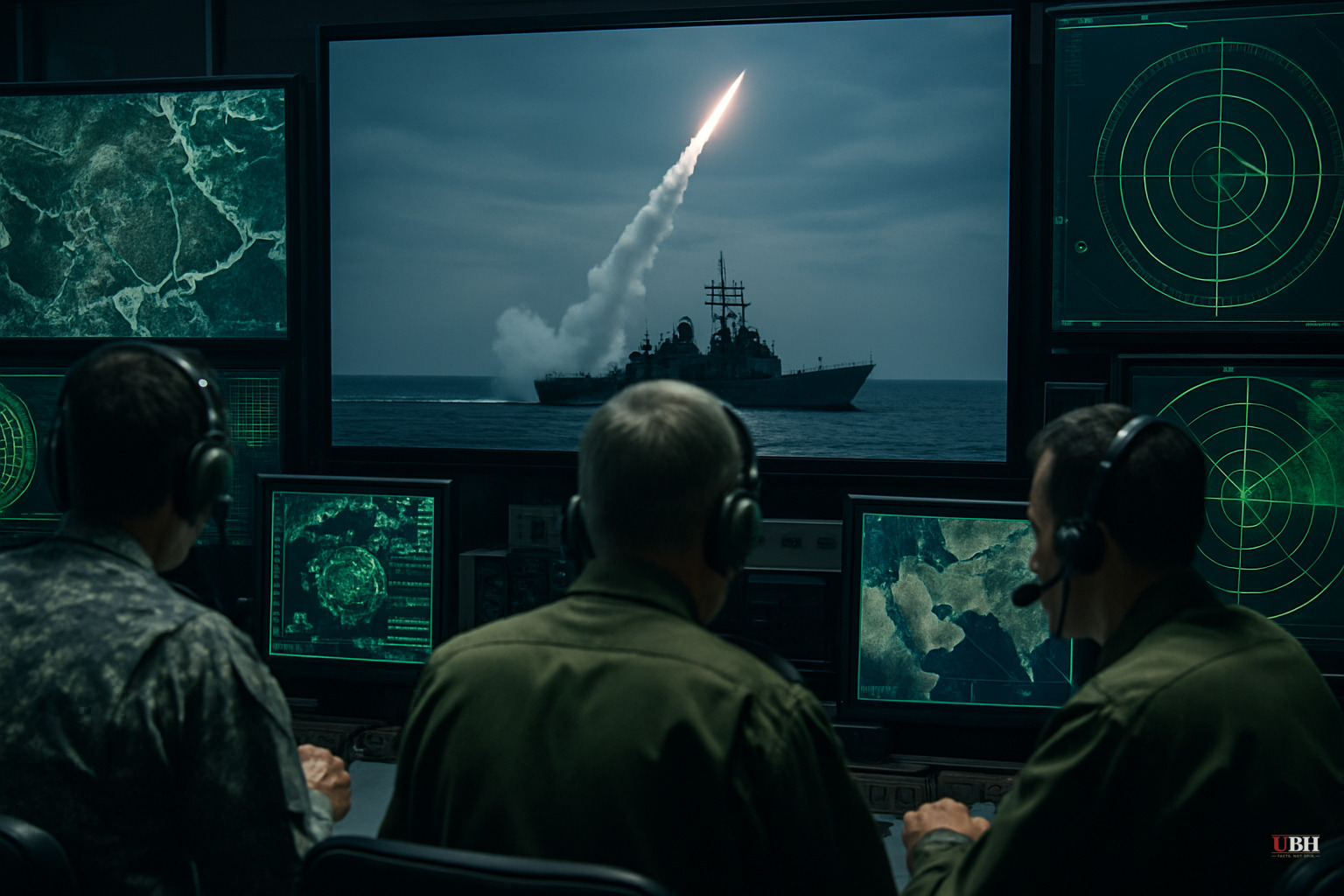
Timeline of Events
The U.S. shot down five Iranian one-way attack drones over and near the Strait of Hormuz. Then it struck a military site in Bandar Abbas, a strategic port city in southern Iran, according to BBC News.
Iran's Islamic Revolutionary Guard Corps (IRGC) responded by claiming it targeted a U.S. air base — saying the base was "the source" of the American strikes, per Iran's state broadcaster IRIB.
Kuwait then confirmed it intercepted "hostile missile and drone threats." U.S. Central Command (CENTCOM) clarified that Iran had launched a ballistic missile toward Kuwait — successfully intercepted by Kuwaiti forces.
A ballistic missile aimed at a country hosting American troops marks a significant escalation from previous ceasefire terms.
CENTCOM's Assessment
CENTCOM labeled Iran's attack an "egregious ceasefire violation."
This is the second time in three days the U.S. has struck targets inside Iran, each time framing the action as self-defense, according to BBC News. Iran frames each of its responses the same way.
Both sides are conducting strikes and calling them defensive actions. The ceasefire exists on paper only.
Iran's Nuclear Ultimatum
Fox News reported that Iran issued a nuclear ultimatum as tensions spiked — a detail that received less coverage from other outlets.
The details of the ultimatum weren't fully fleshed out in available reporting, but the timing is significant. Iran is firing ballistic missiles at U.S. allies while simultaneously raising nuclear stakes. The combination of conventional strikes and nuclear brinkmanship appears designed to pressure Washington toward negotiations on Tehran's terms.
Oil Markets React
The New York Times reported oil prices climbed after the U.S. confirmed shooting down five Iranian attack drones. Oil already spiked past $97 in previous coverage. Every new exchange of fire adds pressure. The Strait of Hormuz remains the chokepoint — roughly 20% of the world's oil supply moves through it. Iran knows this. Every drone near that strait carries weight in global energy markets.
How News Outlets Framed the Missile Strike
AP News framed this primarily as a "challenge to the ceasefire" — diplomatic language for what amounts to a ballistic missile fired at a country hosting U.S. military personnel. The characterization downplays the significance of what occurred.
Strategic Questions Unanswered
Fox News correctly highlighted the nuclear ultimatum as the most consequential development.
But the broader Iran coverage across outlets has led with administration framing without pressing the core question: What is the endgame? Two strikes inside Iran in three days without declared war, and a ceasefire neither side is honoring. That requires explanation.
Where is Congressional authorization? Mainstream media outlets — across the political spectrum — have not asked that question with sufficient urgency.
The Sequence
- Feb. 28: U.S. and Israel struck Iran.
- This week: U.S. shoots down drones over Hormuz, strikes Bandar Abbas.
- Hours later: Iran fires ballistic missile at Kuwait. Kuwaiti forces intercept it.
- Simultaneously: Iran issues nuclear ultimatum.
This is a feedback loop with nuclear implications.
The Practical Impact
For drivers, rising oil prices mean higher costs at the pump. For military families stationed in Kuwait, Bahrain, Qatar, or elsewhere in the Gulf — Iran just fired a ballistic missile in that direction. For anyone who believed the ceasefire meant an end to hostilities, the last 72 hours provided a clear answer.
The war that was announced as ended resumed operations within weeks. It returned at a higher level of intensity.
Iran's nuclear ultimatum is a development that warrants sustained attention. Iran is not just firing drones and missiles — it is signaling that further escalation could involve nuclear dimensions.
Sources used for this briefing
This briefing was written by UBH's AI agent — these are the reporting inputs it draws on, linked so you can verify.


