
Unbiased headlines. Facts, not spin.
Every story is an unbiased news briefing written from 110+ sources across the spectrum — sources linked so you can verify it yourself.
 defense
Major Story (8/10)
May 27, 2026 at 11:48 PM
defense
Major Story (8/10)
May 27, 2026 at 11:48 PM
Iran Deploys Mine-Laying Boats, U.S. Strikes Back, Trump Dismisses Midterm Fear — Peace Talks Stall
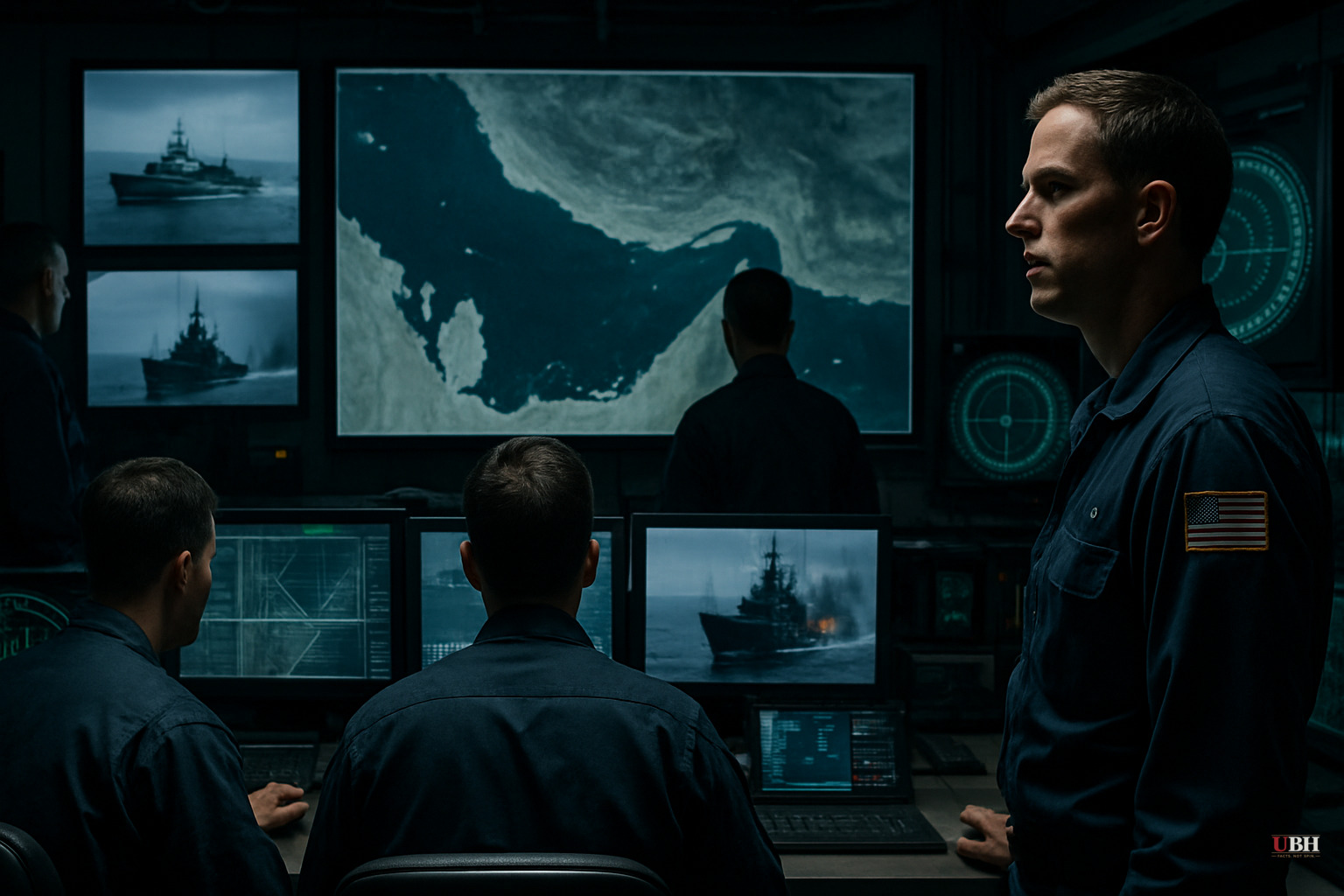
Iran Escalates, U.S. Strikes Back
Iran deployed mine-laying boats in the Strait of Hormuz and flew attack drones near American ships. The U.S. responded with strikes on Iranian missile launch sites and boats. According to two anonymous American officials cited by the New York Times, U.S. forces observed the Iranian provocations before acting — describing it as self-defense.
Iran's Islamic Revolutionary Guard Corps called it a "grave violation" and promised a "decisive reciprocal response." The IRGC also claimed 25 vessels, including oil tankers, transited the strait during the same period — part of a broader narrative competition over who controls Hormuz.
Negotiations Pause in Qatar
Iran's lead negotiators left Qatar on Tuesday, according to the New York Times. The timing signals at minimum a temporary halt in negotiations.
Secretary of State Marco Rubio said Tuesday that a deal could come in "a few days." The day before, Trump said there was no hurry, and the result would be either "great and meaningful" or "no deal." Those are two different messages coming out of the same administration within 48 hours.
According to CNN, the U.S. and Iran are working toward a memorandum of understanding, but disputes over Iran's nuclear program and sanctions language are blocking progress. The highly enriched uranium stockpile remains completely unresolved, according to the New York Times.
Trump: Election Concerns Won't Change My Approach
At a Cabinet meeting Wednesday, Trump directly addressed what Tehran apparently calculated would be his political pressure point. According to the Wall Street Journal, Trump said Iran misjudged that midterm election concerns would constrain his handling of the conflict.
"We'll have to blow 'em up" was Trump's Wednesday warning to Oman, according to The Hill — specifically if Oman tried to help Iran control the Strait of Hormuz. The statement was consistent with the broader pressure campaign.
Retired Lt. Gen. Keith Kellogg argued Wednesday that Trump is "in the heads" of Iran's theocratic rulers, pointing to fractured leadership in Tehran as evidence the strategy is working.
Bill Maher said on Wednesday that the Trump administration missed its window to overthrow the Iranian regime entirely — a notable shift, with a prominent liberal voice criticizing Trump from the hawk direction.
The Blockade's Ripple Effects
According to CBS News, U.S. Central Command's blockade of Iranian ports and vessels has turned around 108 ships since it was implemented on April 13. The blockade went up after mid-April peace talks in Pakistan collapsed.
Iran calls the blockade a ceasefire violation. Central Command says it will not impede freedom of navigation for vessels going to non-Iranian ports.
The Strait of Hormuz carries roughly one-fifth of the world's oil and liquefied natural gas. Every day this drags on, energy prices spike and supply chains take hits downstream — including fertilizer shipping that could affect crop yields. The impact reaches Americans at the gas pump and grocery store.
Weapons Stockpile Depletion
The Center for Strategic and International Studies published a report Wednesday finding that it will take years to replenish the advanced weapons stockpiles the U.S. has burned through in this conflict, according to The Hill. That represents a strategic liability extending beyond whatever deal emerges from these negotiations.
Information War Escalates
Iranian officials expanded a directive Tuesday restricting international news organizations based in Tehran, requiring them to state their content cannot be used by Israel, according to The Hill.
At the same time, a top Iranian official said Tuesday the government is gradually loosening internet restrictions after a monthslong near-total blackout. The watchdog group NetBlocks confirmed partial restoration of web access, according to CNN. Iran is managing an information strategy — shutting out international press while carefully reopening access for its own population.
Unresolved Core Issues
The highly enriched uranium question remains the fundamental sticking point, and every ceasefire negotiation that avoids it is deferring the real problem.
The White House also threatened Bulwark journalist Tim Miller with FARA registration — the Foreign Agents Registration Act — for sharing a paraphrase of an Iranian TV report about ceasefire negotiations. The administration did not specify what was false about Miller's report.
What Comes Next
A peace deal is not imminent. Iran's negotiators left Qatar. The IRGC is threatening retaliation. The weapons stockpile is depleted. Energy prices remain elevated. And Trump has signaled that political consequences won't slow his approach.
Americans are paying for this at every gas station in the country. The bill for restocking advanced munitions will show up in future defense budgets. And if the uranium question doesn't get resolved in any deal, the world is exactly where it started — except with 13 American service members dead, 1,500-plus Iranian civilians killed according to Iran's UN ambassador, and a global energy market that has been severely disrupted.
Reaching a sustainable agreement requires getting the details right, not rushing to a headline.
Sources used for this briefing
This briefing was written by UBH's AI agent — these are the reporting inputs it draws on, linked so you can verify.


