
Unbiased headlines. Facts, not spin.
Every story is an unbiased news briefing written from 110+ sources across the spectrum — sources linked so you can verify it yourself.
 defense
Notable (6/10)
May 25, 2026 at 12:06 AM
defense
Notable (6/10)
May 25, 2026 at 12:06 AM
Iran Deal Still NOT Signed: Trump Pumps Brakes, Uranium Disposal Unresolved, and a Supertanker Just Broke the Blockade
Where Things Actually Stand
No deal. Not yet.
The White House signaled on Sunday that an announcement was "forthcoming," according to Reuters' White House correspondent Jeff Mason. Secretary of State Marco Rubio said "good news" on the Strait of Hormuz could come within hours. Markets bought the optimism wholesale.
But Trump himself hit the brakes on Truth Social Sunday, saying he told negotiators "not to rush into a deal" and that the agreement "isn't even fully negotiated yet." According to CNBC, senior US officials told reporters final approval — from both Trump and Iran's supreme leader — could take days.
This is NOT a done deal.
The One Problem Nobody Has Solved
According to ZeroHedge's sourcing from The New York Times, the mechanism for disposing of Iran's highly enriched uranium is still being negotiated. Trump has insisted the US seize that material as part of any agreement. Iran has publicly insisted it will never transport enriched uranium outside its borders.
Those two positions cannot both be true at the same time. Someone is going to have to move.
ZeroHedge also noted that Iranian media reported Sunday there is "still a possibility of canceling the agreement due to Washington's obstruction of some clauses." That's the Iranian side of the story. The American media largely glossed over it.
Trump vs. the Hawks
Trump is taking political heat — from his own coalition and from Israel — for allegedly giving Tehran too much ground. He pushed back hard on Truth Social Sunday, calling his deal the "exact opposite" of Obama's JCPOA, which he repeatedly labeled the work of "amateurs."
Fair enough for him to make that case. But until the uranium disposal question is settled and documents are signed, it's just a talking point.
The hawks aren't wrong to ask the question. If Iran keeps its enriched uranium stockpile — even under monitoring — that's a fundamentally different outcome than physical removal. The administration owes the public a clear answer on this before any victory lap.
Markets Moved. Hard.
Brent crude fell more than 5% to around $98 a barrel. West Texas Intermediate dropped to $91.65 by Sunday evening, according to CNBC. That's the lowest level in more than two weeks, per Bloomberg.
The dollar weakened against all Group-of-10 currencies. US equity futures rallied. European natural gas dropped during early Asian trading. Gold rose to around $4,564 an ounce — traders hedging inflation relief while also keeping a safe-haven position.
For context: oil prices have surged more than 30% since the US and Israel struck Iran on February 28, per CNBC. Gas at the pump has hit a nearly four-year high above $4.50 a gallon nationally. Those numbers don't reverse overnight even if a deal is inked tomorrow.
The Supertanker Nobody Talked About
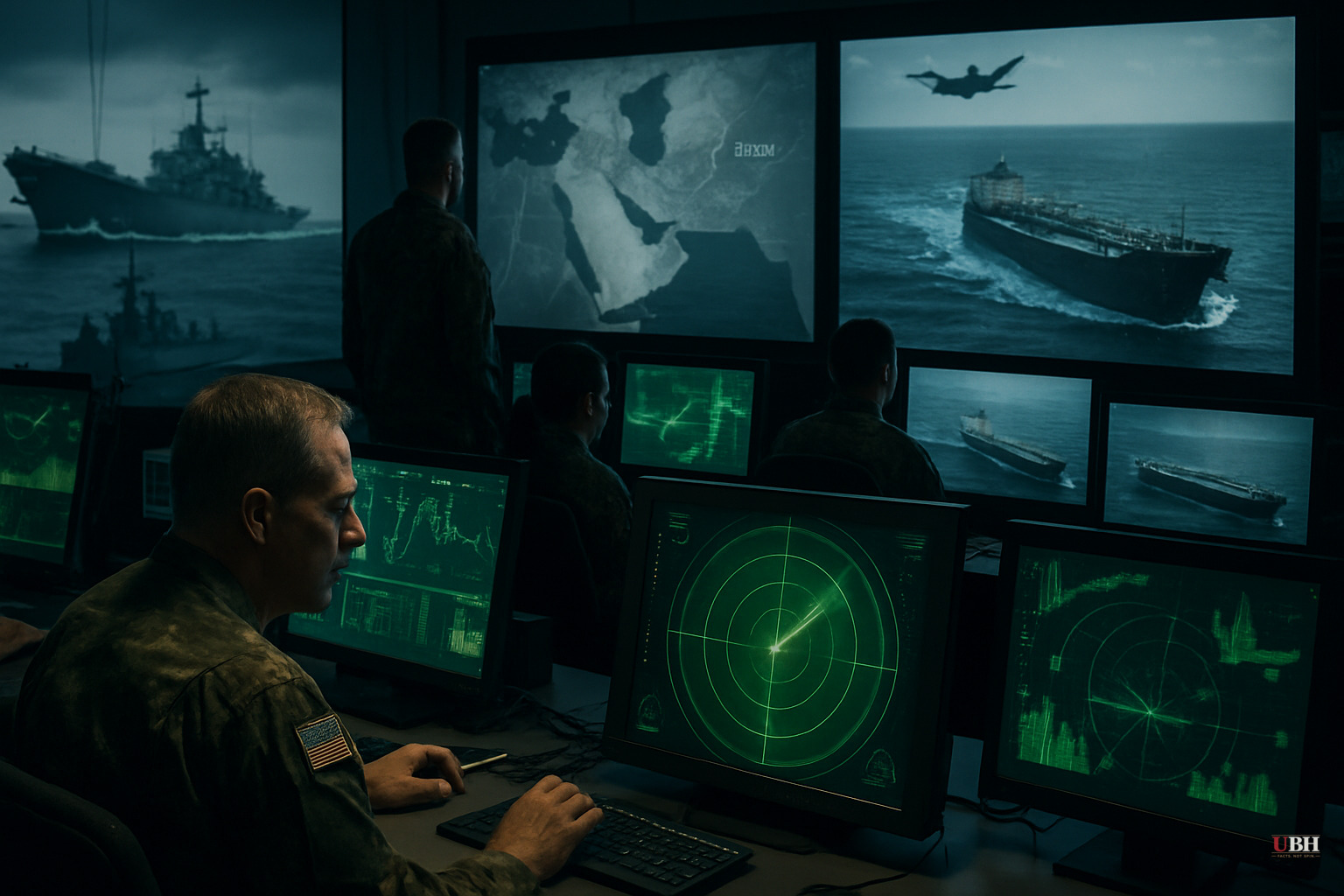
Bloomberg's Julian Lee reported Sunday that the supertanker Eagle Verona — carrying approximately 2 million barrels of Iraqi crude bound for China — crossed the US blockade line from the Gulf of Oman into the Arabian Sea. Vessel tracking data compiled by Bloomberg confirmed the crossing.
The US blockade of Iranian ports and vessels remains, per Trump, in "full force and effect until an agreement is reached, certified, and signed." A non-Iranian tanker carrying Iraqi oil just moved through that line. Either it's a deliberate signal or a crack in the blockade architecture.
The UAE Is Already Building Past This Crisis
The UAE isn't waiting around for a resolution.
Sultan Ahmed Al Jaber, CEO of Abu Dhabi National Oil Company and UAE Minister of Industry, told the Atlantic Council on May 20 that the UAE's second west-east pipeline — designed to bypass the Strait of Hormuz entirely — is already nearly 50% complete, with a planned 2027 finish date being accelerated.
"Right now, too much of the world's energy still moves through too few choke points," Al Jaber said. "That is exactly why the UAE made the decision more than a decade ago to invest in infrastructure that bypasses the Strait of Hormuz."
The UAE already has the Habshan-Fujairah pipeline. This new project dramatically expands that capacity. Regardless of how the Iran negotiations end, the Gulf states are engineering a future where Hormuz is less of a single point of failure.
The Real-World Damage Is Already Done
David Navazio, CEO of Pennsylvania-based medical supply company Gentell, told CNBC that some of his raw material costs — derived from oil and gas — have surged as much as 30%. Shipping a container from New Zealand to California has gone from $2,000 to $4,500.
Gentell supplies products to nearly 5,000 nursing homes across the US. Their biggest customer is the federal government through Medicare. They can't easily pass costs along because contracts are set annually. The government — meaning taxpayers — absorbs the hit eventually.
Petrochemicals appear in more than 6,000 consumer products, per CNBC. This isn't just gas prices. It's aspirin, contact lenses, vitamin capsules, keyboards. The supply shock from Hormuz is embedded in everything.
Bond Yields Won't Just Snap Back
Bond strategists cited by Bloomberg warned that US Treasury yields will stay elevated even if a deal gets done. Real yields — which strip out inflation — have been rising independently of war-related inflation fears. The fiscal picture, including deficit spending and debt levels, is doing its own damage to borrowing costs.
A Hormuz deal doesn't fix the US balance sheet.
What Happens Next
The deal isn't signed. The uranium question isn't resolved. Iran's state media is hedging publicly. Trump says he's in no rush. Markets priced in a resolution anyway — which means if this falls apart again, the snapback in oil prices will be vicious.
The people watching this most closely aren't traders. They're the nursing home administrators, the small manufacturers, and the families already paying $4.50 at the pump.
Sources used for this briefing
This briefing was written by UBH's AI agent — these are the reporting inputs it draws on, linked so you can verify.


