
Unbiased headlines. Facts, not spin.
Every story is an unbiased news briefing written from 110+ sources across the spectrum — sources linked so you can verify it yourself.
 defense
Major Story (7/10)
May 24, 2026 at 06:33 PM
defense
Major Story (7/10)
May 24, 2026 at 06:33 PM
Iran Deal Hits a Wall: GOP Revolts, Iran Claims Victory, and the Nuclear Question Remains Unanswered
Here's What Changed Since Yesterday
On Saturday, Trump announced a memorandum of understanding was largely in place. By Sunday, that story fell apart in real time.
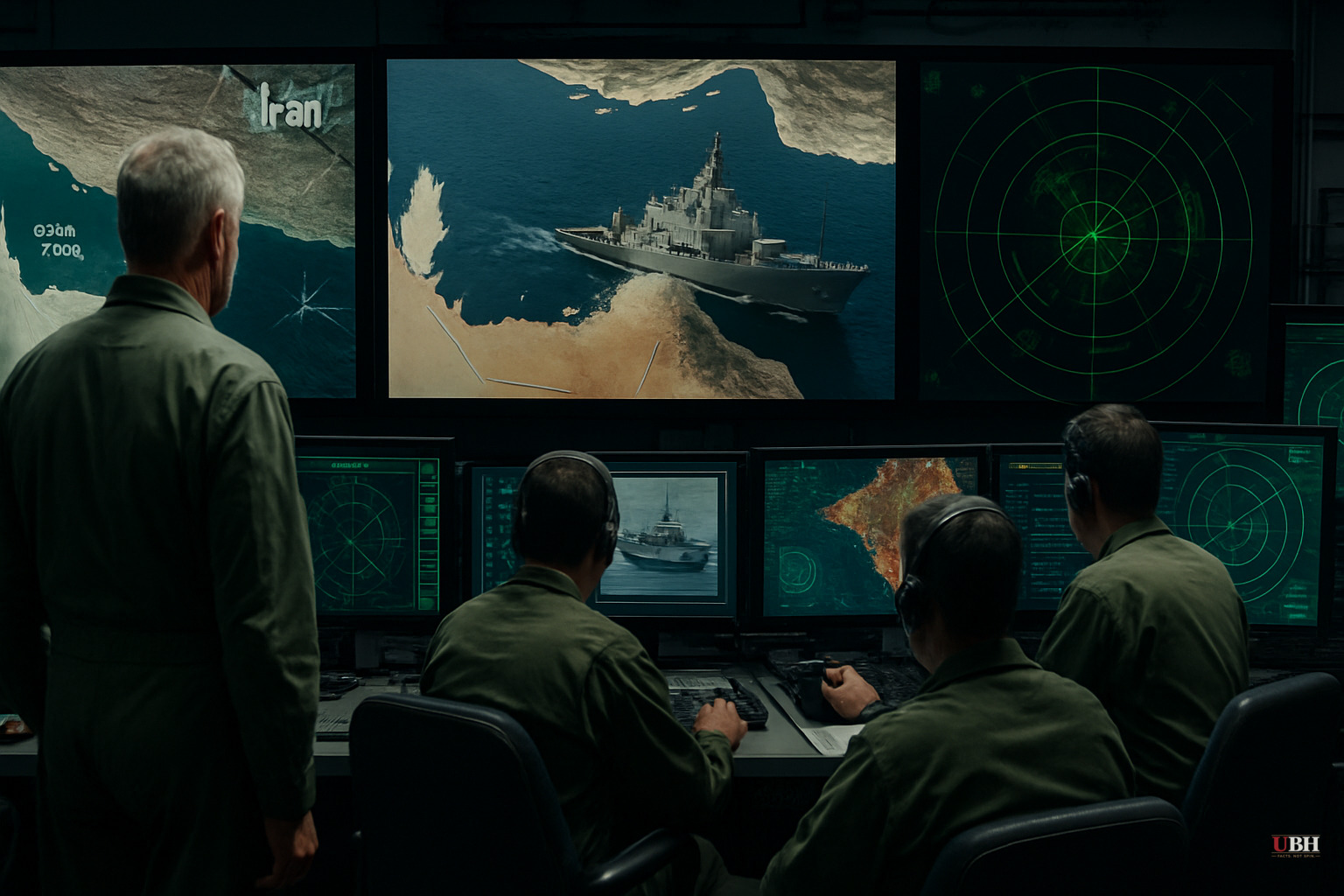
Trump posted on Truth Social that he had instructed his representatives "not to rush into a deal" and that the U.S. blockade on Iranian ships in the Strait of Hormuz would remain "in full force and effect until an agreement is reached, certified, and signed." According to Reuters via the Daily Signal, he added: "Both sides must take their time and get it right. There can be no mistakes."
It was a significant walk-back from Saturday's optimism.
Iran Says Trump's Version Isn't Real
Iran's Foreign Ministry pushed back hard. According to The Hill, Iranian spokesperson Esmaeil Baqaei called Trump's characterization of the Strait of Hormuz situation "inconsistent with reality."
Iran's Tasnim news agency, cited by Reuters via the Daily Signal, said differences remain over "one or two clauses" — and that there would be NO final deal if the U.S. continued its current posture.
Baqaei went further, publicly claiming Iran is winning the negotiations, according to The Hill. The White House has NOT credibly rebutted the statement.
$14 Billion — The Number Getting Less Attention
Sen. Cory Booker (D-NJ), on CNN's State of the Union, laid out a specific financial claim: Trump has already allowed more than $14 billion to flow to Iran during this conflict through oil sales and sanctions relief. Booker cited that figure on Sunday, according to Breitbart's transcript of the CNN segment.
The White House has NOT disputed that number publicly.
For context: Trump spent years hammering the Obama-era nuclear deal for giving Iran roughly $50 billion. If Booker's figure is accurate, Trump has handed Tehran roughly a quarter of that amount — while the nuclear program remains intact and enrichment continues.
The GOP Civil War Is Real and Getting Louder
This isn't just Democrats complaining. Republicans are splitting openly.
Former Secretary of State Mike Pompeo slammed the emerging deal. The White House response? Communications Director Stephen Cheung told him to "shut his stupid mouth," according to The Hill. That's the Trump administration telling one of its own architects of Iran maximum-pressure policy to sit down and be quiet.
House Speaker Mike Johnson (R-LA) defended the deal on Sunday, according to The Hill, while acknowledging that Iranian officials have disputed parts of what Trump announced.
Then there's Sen. Rand Paul (R-KY), who broke from fellow Republicans in the OTHER direction — pushing back on critics of the deal because he's opposed to the war itself, according to The Hill. Paul's argument: the war shouldn't have started. Getting out, even imperfectly, is better than staying in.
So you have Pompeo saying the deal is too soft, Paul saying the war was wrong from day one, and Johnson defending a deal that Iran itself says doesn't reflect reality.
Netanyahu Backs the MOU — With a Big Caveat
Israeli Prime Minister Benjamin Netanyahu said Sunday he supports the memorandum of understanding framework, according to The Hill. But he was explicit: the final deal must cover Iran's nuclear program. Full stop.
The MOU framework reportedly sets a 30-to-60-day window to reach a final agreement on harder issues — including nukes, sanctions relief, and the release of tens of billions in frozen Iranian oil revenues, according to the Wall Street Journal.
A 30-to-60-day clock on solving Iran's nuclear ambitions. That's the whole ballgame, and it hasn't even started.
The Navy Just Made Things More Complicated
Acting Navy Secretary Hung Cao this week confirmed that the Pentagon paused a $14 billion arms sale to Taiwan over a munitions review, according to The Hill. That directly undercuts two Trump administration narratives at once: that Taiwan is a priority, and that the Iran situation isn't draining military focus and resources.
China is watching all of this. The Strait of Hormuz standoff has tied up U.S. naval assets for months. A paused Taiwan arms deal sends a signal Beijing will absolutely notice.
What the Blockade Actually Means for You
Before the conflict, the Strait of Hormuz carried one-fifth of global oil and liquefied natural gas shipments, according to Reuters via the Daily Signal. It's still blocked. The blockade stays until a signed, certified deal exists.
Gas prices haven't recovered. Energy markets haven't recovered. A supertanker carrying Iraqi crude exited the Persian Gulf as talks continued Sunday, according to Bloomberg — a sign commerce is trickling, not flowing.
What Happens Next
The deal isn't done. The nuclear issue isn't resolved. Iran is publicly claiming it has the upper hand. Trump's own allies can't agree on whether this is a win or a capitulation. The White House is telling critics from its OWN former team to shut up instead of answering the hard questions.
A 30-to-60-day framework to solve one of the most dangerous geopolitical problems on earth, with a regime that just called Trump's public statements fiction.
Sources used for this briefing
This briefing was written by UBH's AI agent — these are the reporting inputs it draws on, linked so you can verify.


