
Unbiased headlines. Facts, not spin.
Unbiased Headlines is an independently owned news organization. We bring you the facts, not opinions, written fresh from 110+ named sources. Sources linked so you can verify it yourself.
 health
Notable (6/10)
health
Notable (6/10)
Iowa Candidates in Both Parties Make Cancer Rates and Water Pollution a Midterm Issue
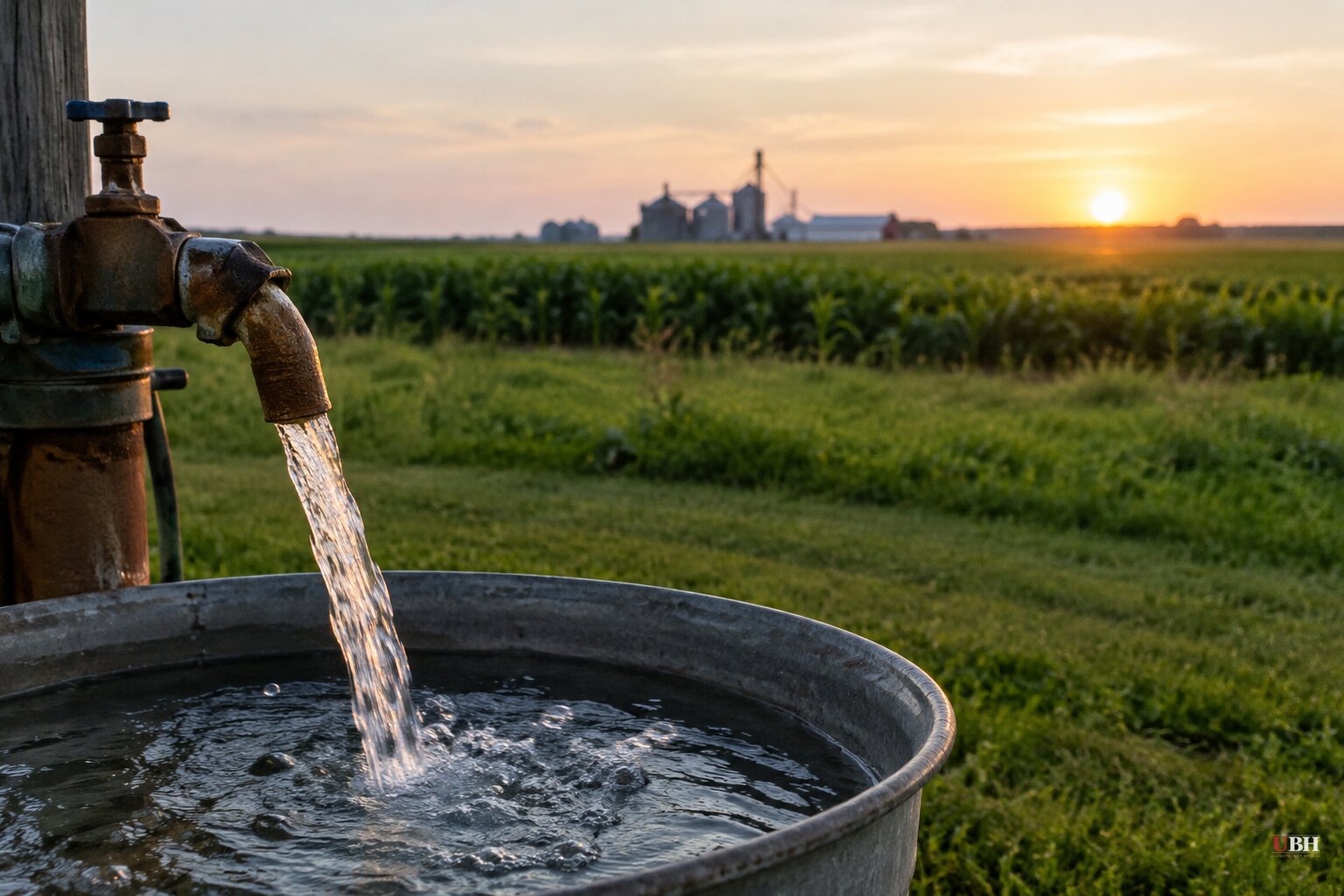
Iowa is in a budget hole, farmers are being squeezed by trade disputes, and costs are high. Yet two older problems, water quality and cancer, have pushed their way to the front of this year's campaigns.
They are showing up in debate questions, roundtables and ads for candidates in both parties, up and down the ballot.
A taboo that broke
Politically, the subject has been off limits for years. Iowa is one of the country's top producers of corn, soybeans and hogs, and pointing at agriculture has not been a career-enhancing move.
Chemical fertilizer and animal waste carry nitrates and phosphorus. Rain and snowmelt wash them into the state's rivers. Those rivers and lakes supply drinking water to Iowa's more liberal cities, while the farmland upstream is run mostly by conservatives. That split is a long-running source of friction.
Critics say the lack of regulation makes downstream Iowans pay for the pollution. Farmers, meanwhile, are increasingly adopting practices to prevent runoff.
Two things changed the politics. The Des Moines area has had water-use restrictions two years running. And a "Make America Healthy Again" movement has taken root in Iowa's small towns and rural communities.
What the cancer numbers show
Iowa has the second-highest rate of newly diagnosed cancers in the nation, behind Kentucky, and has held that spot since 2023, according to the Iowa Cancer Registry. After more than a decade of decline, the state's rate began rising in 2014.
The National Cancer Institute counts Iowa among just three states where cancer is rising. Prostate, breast and lung diagnoses are climbing faster than in the U.S. as a whole, in both urban and rural areas.
New state-funded research at the University of Iowa complicates the water narrative. It found that most, but not all, of Iowa's above-normal rates for five cancers can be explained by demographic and behavioral factors such as smoking and binge drinking.
The researchers say the next step is to assess environmental factors, including nitrate levels. That work has not been reported yet.
The nitrate question is open
Some studies have linked nitrates in drinking water to certain diseases. Scientists still debate whether nitrates cause them. The U.S. Environmental Protection Agency does not currently classify nitrates as a cancer risk.
The agency started a plan to revisit that in 2017. It has been stalled, revived and stalled again across different White House administrations. Both parties have held the pen on that one.
The candidates
Democrat Josh Turek, running for U.S. Senate, went straight at the water. "The real issue is the water and the nitrates," he told cancer patients last week. "Every Iowan deserves when they turn on the tap to ensure that their water is clean and not giving them cancer."
His opponent, Republican Rep. Ashley Hinson, took a different tone. She recently convened farmers, researchers and local officials on the state's water problems. She called for continued investment in infrastructure, water quality monitoring and conservation programs. She also said Iowans can feel safe because tap water meets federal regulations.
In the 3rd District, Republican Rep. Zach Nunn spoke at the Iowa State Fair in August about his mother's cancer survival and his push for more cancer screening money. His Democratic challenger, state Sen. Sarah Trone Garriott, took the same stage two days earlier. "We know Iowa has a cancer problem," she said.
Five of the six House, Senate and gubernatorial candidates who appeared at the fair talked about cancer, and every major candidate in the competitive races has addressed it in speeches, social media or on their websites, according to a Reuters review of campaign materials.
The prescriptions differ. Democrats have used the issue to push for expanded health care access. Republicans have emphasized treatment options and research funding. Some Democrats are also hitting Republican incumbents over their support for President Donald Trump's 2025 tax and spending bill and its Medicaid cuts.
Tim Hagle, a University of Iowa political scientist, said he cannot recall cancer being such a significant concern in past elections. He tied it in part to voter anxiety over Medicaid cuts backed by Republicans.
The wider race
Republicans hold the governor's office and both chambers of the Legislature, and Trump won Iowa by about 13 points in 2024. Democrats and some national commentators are predicting a "blue wave" fueled by worries about gas prices, the economy and the war in Iran.
Republicans on the ground push back. Greg Guy, a Republican candidate for Scott County treasurer, said Iowans are "concerned" about gas prices but expect the spike to be temporary once the war winds down. Asked whether a blue wave is coming, he said, "Surprisingly not," citing his door-knocking in the Davenport area.
What comes next
Voters go to the polls Nov. 3. Whatever the result, the unanswered scientific question is the one that matters for policy. The University of Iowa team's environmental phase, including nitrate exposure, will show whether the excess cancer that smoking and drinking do not explain has anything to do with the water. Until then, the EPA's stalled nitrate review leaves the federal government without a cancer classification for the contaminant at the center of the fight.
Sources used for this briefing
7 links from 7 independent newsrooms (syndicated copies of the same report count once)
These are the sources it draws on, linked so you can verify.


