
Unbiased headlines. Facts, not spin.
Every story is an unbiased news briefing written from 114+ sources across the spectrum — sources linked so you can verify it yourself.
 health
Major Story (8/10)
October 13, 2026 at 06:02 PM
health
Major Story (8/10)
October 13, 2026 at 06:02 PM
Congo Ebola Cases Pass 9,000, With 4,381 Deaths and 65 Health Zones Affected
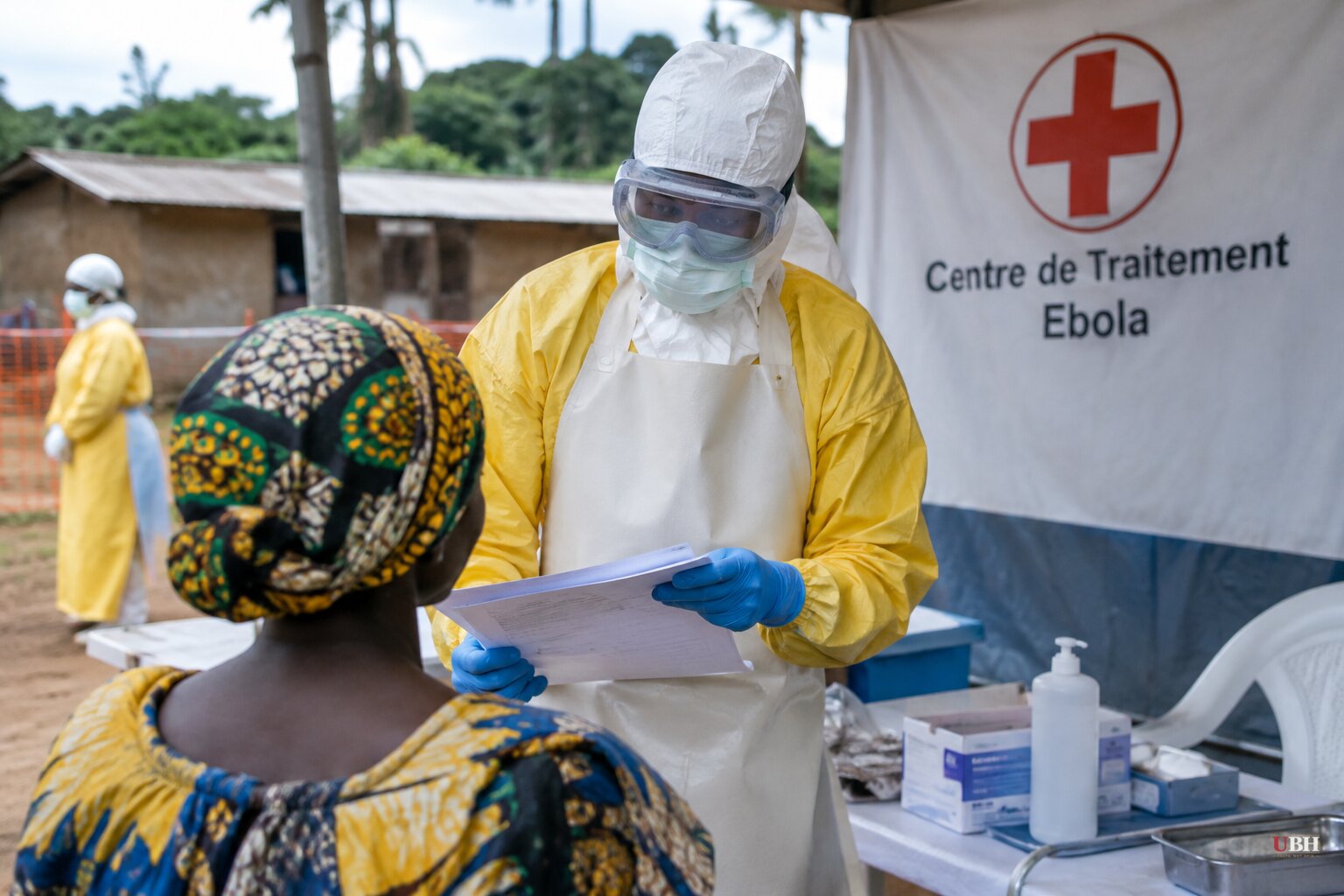
Since the Bundibugyo Ebola outbreak was confirmed in May, the confirmed toll has now passed 9,000. The health ministry reported 9,066 confirmed cases and 4,381 deaths in data released Tuesday, Oct. 13. The death toll is equivalent to nearly half the confirmed cases.
The ministry recorded 88 new confirmed cases in its latest report.
Deaths outside treatment centers
The rising death toll has alarmed health workers and authorities, with a large share of recorded deaths happening outside treatment centers. People who die at home or in the community are harder to trace, and traditional burials involving close contact with the bodies of victims have helped the virus spread.
The latest ministry report said "community transmission remains a concern."
Sixty-five health zones across seven provinces are now affected. The outbreak has created new hot spots as it spreads to more communities.
North Kivu is driving growth
Doctors Without Borders (MSF) said in an Oct. 2 statement that North Kivu has accounted for nearly 40 percent of new confirmed cases since the start of September. At the end of August it accounted for 24 percent.
Stéphanie Hoffmann, who heads MSF's Ebola Treatment Center in Butembo, said it is "impossible to contain this large-scale epidemic as long as new outbreaks continue to multiply as the virus spreads in northern North Kivu." She added: "We can only fear a worsening of the situation in the coming weeks."
MSF said on Oct. 1 that one of its own staff members working on the Ebola response had tested positive for Bundibugyo and been evacuated to the Netherlands. The charity gave no further details. It is operating in Ituri, North Kivu, Tshopo and Haut-Uélé.
Not every region looks the same
The World Health Organization has been more measured about the picture on the ground. In its Sept. 25 report it said that while the number of newly reported cases each day remains high, the situation varies across Congo.
The WHO said the continuously high case fatality ratio "highlights the seriousness of the disease and the persistent challenges in timely case detection and access to early and adequate patient care." It listed ongoing conflict and limited access to basic services among the factors affecting outbreak control.
The United Nations has pointed to multiple armed groups operating in the east, including the Allied Democratic Forces, CODECO militias and the Rwanda-backed M23. It has also cited poor roads, damaged infrastructure and a lack of trust in authorities by communities.
The UN has warned that the unplanned departure of displaced people, combined with restricted access to sites, could hamper disease surveillance. More than 1.1 million people in Ituri are displaced by conflict and violence, including more than 373,000 living in displacement sites.
A regional and historical benchmark
The outbreak is now second only to the 2014–2016 West African epidemic in Africa's history. That epidemic infected at least 28,600 people and killed more than 11,000 across Guinea, Liberia and Sierra Leone.
The Bundibugyo strain is less common than the Zaire and Sudan strains, for which treatments and potential vaccines exist.
Last week, Kenya became the first country since Uganda to record an Ebola case imported from Congo. That deepened concern about wider regional spread of the virus.
Whether contact tracing can catch up in North Kivu and Ituri remains an open question, given that armed groups and displacement limit access. The ministry's next report will show whether the pace of new cases holds, rises or falls, and how many deaths are still occurring outside treatment centers.
Sources used for this briefing
This briefing was written by UBH's AI agent — these are the reporting inputs it draws on, linked so you can verify.


