
Unbiased headlines. Facts, not spin.
Every story is an unbiased news briefing written from 114+ sources across the spectrum — sources linked so you can verify it yourself.
 health
Notable (6/10)
October 13, 2026 at 06:56 PM
health
Notable (6/10)
October 13, 2026 at 06:56 PM
FDA Received Reports of 2 Deaths Tied to Bootleg Retatrutide. Cause Unverified
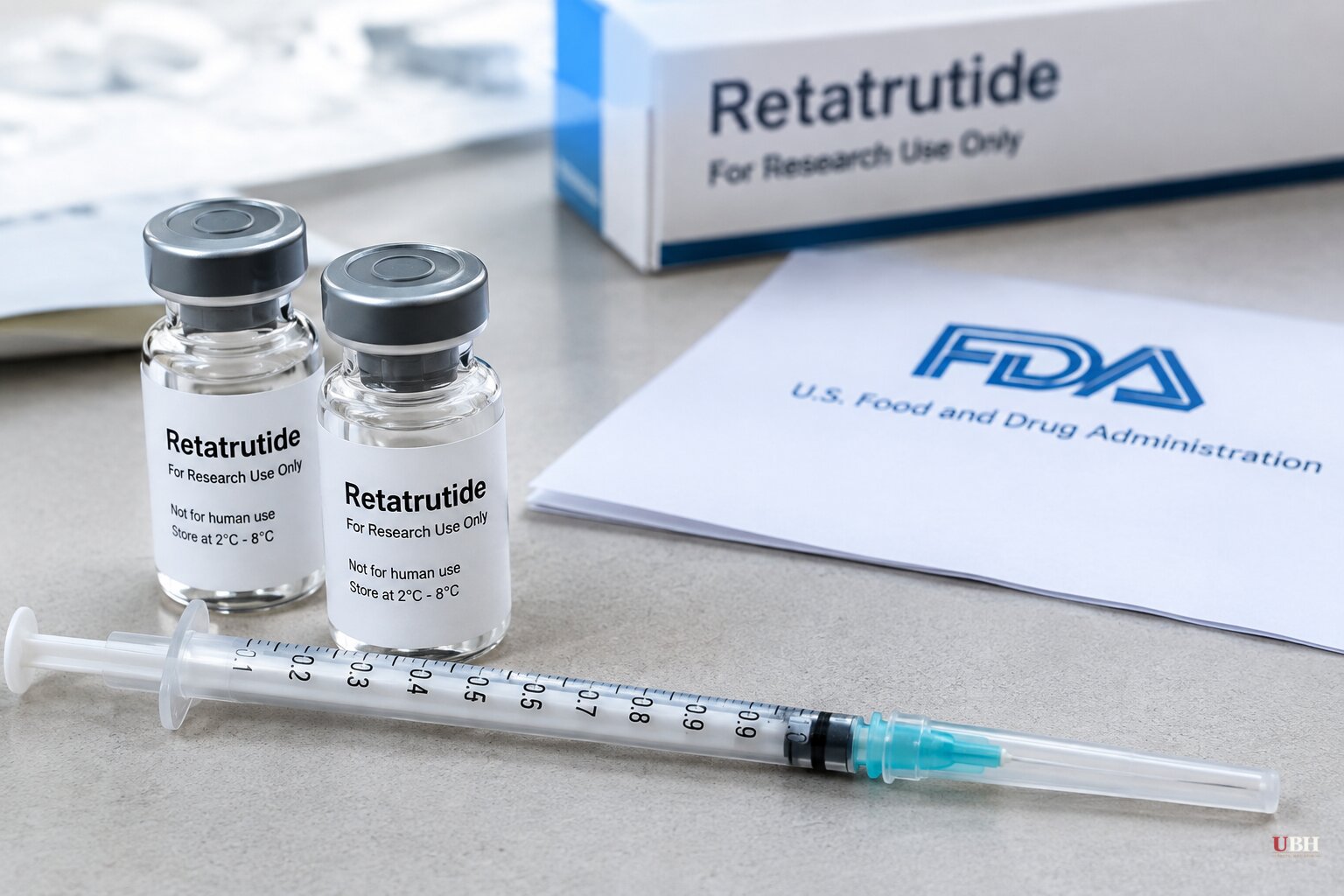
The Food and Drug Administration received reports in recent months of two deaths after people used products sold as retatrutide, an experimental weight-loss drug being developed by Eli Lilly. The drug has not been approved by the FDA. CBS News reviewed the documents.
Neither report has been verified, and it is unclear whether the drug was to blame.
What the reports say
The first report came in July. A healthcare professional told the FDA that a 41-year-old woman with obesity went into cardiac arrest. The report lists retatrutide as a "suspect product" and says she got it "from an unreliable source."
The second came in September. It describes a 49-year-old patient who died after a licensed nurse "convinced" her to buy retatrutide from an online peptide vendor. She experienced severe dehydration, malnutrition and cardiac arrest, according to the report.
Both were filed in the FDA's Adverse Event Reporting System. That database exists to monitor drugs the agency has already approved. Retatrutide is not one of them.
Neither death is tied to a formal clinical trial, according to the documents and Eli Lilly. Retatrutide is generally not supposed to be available outside of one.
CBS News describes these as apparently the first public accounts in the U.S. alleging that unauthorized use of retatrutide, or products claiming to contain it, played a role in a death.
A market that already exists
Federal law prohibits the commercial sale of unapproved drugs. Vendors are selling imitation versions of retatrutide online anyway, at a scale CBS News describes as having no modern precedent.
Earlier CBS News investigations found the drug in health spas, on wellness websites and in some convenience stores. Dozens of medical professionals have openly promoted access to it. Some sellers have used an independent, blue-chip certification that makes them look legitimate and lets them advertise on social media.
That detail is also relevant to the second case. A licensed nurse is alleged to have steered a patient to an online vendor.
What nobody knows yet
The reports alone don't prove that a drug caused or contributed to either death. A report to the FDA's database is a claim, not a finding. Anyone can file one, and the agency does not confirm each submission.
There is also a basic identification problem. A vial labeled retatrutide may contain retatrutide, a different compound, a wrong dose or nothing resembling the label. Without testing the actual product, no one can say what either woman injected.
Some readers pushed back on that framing. Commenters on CBS News's Instagram post called the story "propaganda from Big Pharma" and noted that two deaths is a small number. Those are social media comments, not data. Eli Lilly, though, did confirm that the two cases are not part of any trial.
On the other side is Pieter Cohen, an associate professor at Harvard Medical School. "It is concerning because of the breakdown of our drug-approval process in the United States of America," he said.
Cohen also laid out what he thinks the agency should do. "The FDA should do whatever it possibly could do to get their hands on the actual drug that was injected by both of these patients, and they should get that analyzed," he said. "If the FDA is not aggressively investigating these cases, that's deeply concerning."
The FDA's response
The FDA declined to say whether it has verified any of the information in either report.
In a statement, the agency said, "We review adverse event reports, gathering additional information when needed." It added that it generally does not discuss potential or ongoing compliance matters.
That statement says nothing about whether anyone has located the products involved. It also doesn't say whether the agency has opened a compliance action against the vendor named in the September report. No charges or enforcement actions tied to either death have been announced.
The enforcement gap
The law here is not unclear. Selling an unapproved drug commercially is illegal, and retatrutide has no approval. What is in question is how much enforcement exists against sellers operating openly, in storefronts and on social media.
That is a taxpayer-funded agency with a clear statutory mandate and a visible, advertised market. Whether the FDA acts on these two reports, by testing product and pursuing the vendors, is the next thing to watch. As of today, Oct. 13, it has not said it will.
Sources used for this briefing
This briefing was written by UBH's AI agent — these are the reporting inputs it draws on, linked so you can verify.


