
Unbiased headlines. Facts, not spin.
Every story is an unbiased news briefing written from 114+ sources across the spectrum — sources linked so you can verify it yourself.
 health
Major Story (7/10)
October 14, 2026 at 12:00 AM
health
Major Story (7/10)
October 14, 2026 at 12:00 AM
CVS Agrees to Pay $315M to Settle DOJ Opioid Case, Admits No Wrongdoing
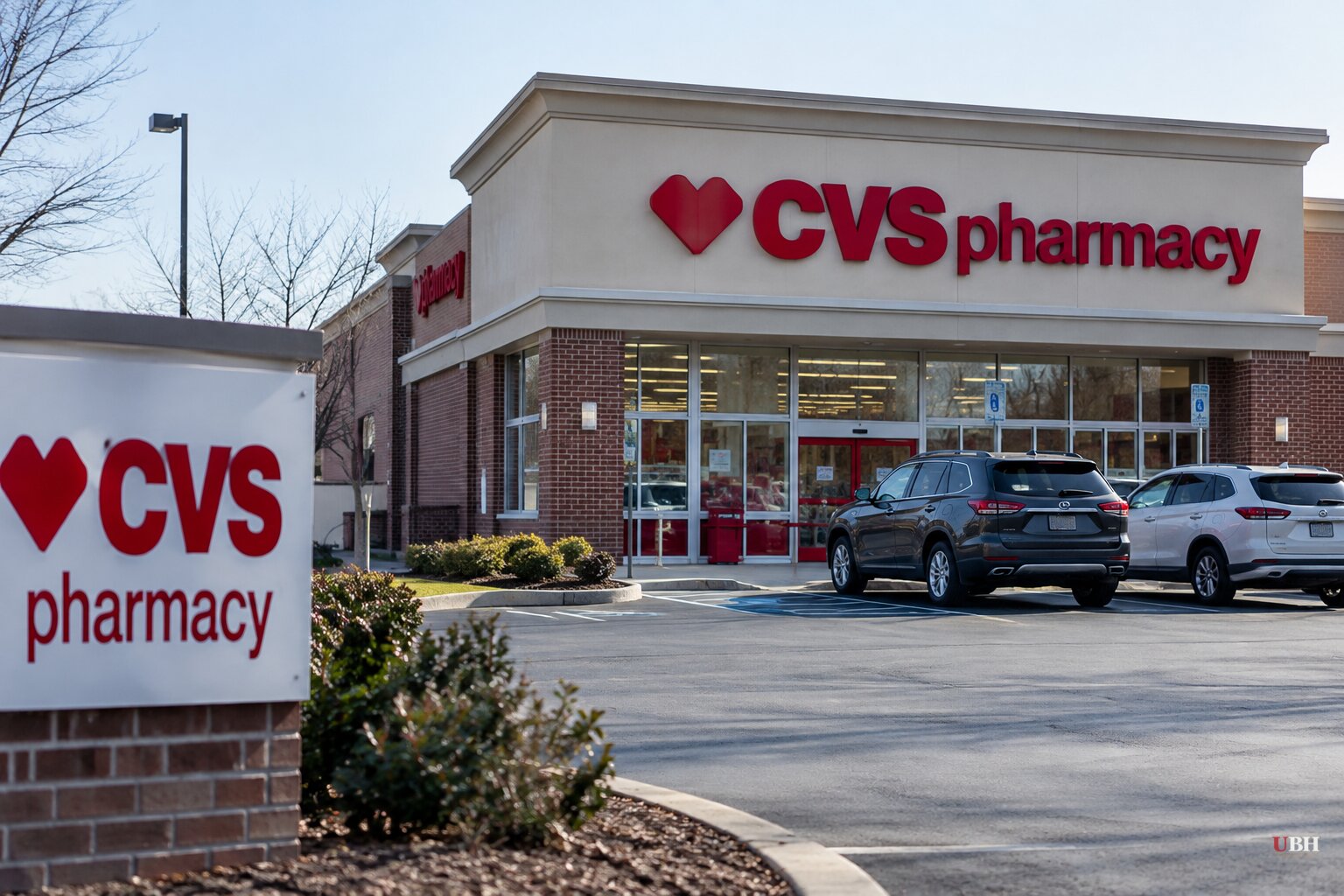
CVS Health has agreed to pay $315 million to settle a Justice Department lawsuit accusing the pharmacy giant of illegally filling opioid prescriptions and then billing federal healthcare programs for them. The DOJ announced the deal today, Oct. 13.
CVS denies the allegations. The company says the settlement "admits no wrongdoing."
What the government alleged
The settlement covers conduct from Oct. 17, 2013 through Dec. 2, 2025, according to the Justice Department. The government alleged CVS violated the Controlled Substances Act by filling prescriptions that lacked a legitimate medical purpose, were not valid, or were not issued in the usual course of professional practice. It also alleged CVS violated the False Claims Act by seeking payment for many of those prescriptions from Medicare and other federal programs.
The complaint was filed Dec. 13, 2024, in U.S. District Court for the District of Rhode Island. Prosecutors alleged CVS filled prescriptions for dangerous and excessive quantities of opioids and filled prescriptions too early. They also alleged it filled so-called "trinity" prescriptions, a combination of an opioid, a benzodiazepine and a muscle relaxant.
The government further alleged CVS filled prescriptions from "pill mill" prescribers who issued large numbers of controlled-substance scripts with no medical purpose. According to the 97-page complaint, CVS also ignored warnings from its own pharmacists who urged the company to stop filling prescriptions from suspicious prescribers.
Prosecutors said the problem was structural. They alleged that staffing levels, incentive pay and performance metrics pushed pharmacists to fill quickly without confirming prescriptions were legitimate, and that corporate decisions "prioritized corporate profits over patient safety." Federal programs named in the complaint include Medicare, Medicaid and TRICARE.
The case began as a whistleblower suit. A former CVS employee, Hillary Estright, filed it in 2019 under the False Claims Act, which lets private parties sue on the government's behalf. The government's own complaint followed in 2024, under the Biden administration. This week's deal was announced by a Trump-era Justice Department.
What CVS has to do
Beyond the money, the settlement imposes operating requirements. CVS agreed to set up a hotline for employees or the public to report suspected illegal dispensing of controlled substances. It also agreed to proactively monitor dispensing behavior at its pharmacies and evaluate doctors suspected of illegally prescribing opioids. That last piece is part of a separate agreement with the Drug Enforcement Administration.
"Today's settlement requires CVS to implement additional safeguards to ensure that prescriptions for opioids and other controlled substances are dispensed only when medically appropriate," said Assistant Attorney General Brett A. Shumate, who leads the Civil Division.
Associate Attorney General Stanley E. Woodward Jr. called it "a significant milestone" in the department's opioid efforts. "Not only does this settlement hold bad actors accountable for their fraudulent activities, but Americans are safer because of it," he said.
First Assistant U.S. Attorney Charles C. Calenda of the District of Rhode Island said pharmacies "must maintain effective compliance systems to identify and respond to warning signs that prescriptions may be unlawful or medically unnecessary."
CVS's position
CVS says it did nothing wrong. "Our more than 27,000 CVS pharmacists do their part to help keep America healthy and are highly trained in the safe and appropriate use of all medications," the company said in a statement. It said it has "implemented best-in-class and first-of-their-kind programs" to help pharmacists make decisions for patients.
"We strongly disagree with the claims made in this case, and our settlement with the DOJ admits no wrongdoing. We're pleased to move forward and put this litigation behind us," the company said.
That is consistent with its stance since the lawsuit was filed. In 2024, CVS argued that pharmacists were being held to "vague, undefined, and ever-changing standards of practice" when filling opioid prescriptions. Because the case settled, no court has ruled on that dispute or on the government's claims.
Where this sits in the opioid litigation
The $315 million is small next to CVS's earlier opioid payouts. In 2022, the company agreed to pay about $4.9 billion to states, local governments and tribal governments after more than 3,000 lawsuits.
The federal government has also been settling with other pharmacy operators. Walmart agreed in August to pay $50 million to resolve a 2020 DOJ lawsuit over opioid dispensing. Walgreens and Kroger have also reached opioid-related settlements in recent years.
Across the country, drugmakers, wholesalers, pharmacies and others have agreed to settlements with governments totaling more than $50 billion over the past decade. Most of that money has gone to state and local governments and is meant to fund addiction response. Opioid overdose deaths have topped 100,000 in some years, though the numbers have fallen sharply recently.
What comes next
The money is a one-time hit. The compliance terms are the lasting part. CVS must now run the hotline and the proactive monitoring program, and evaluate suspect prescribers, under an agreement with the DEA. Whether those safeguards change dispensing at the counter will depend on how that oversight is carried out, and neither the DOJ nor CVS has said how compliance will be measured or reported publicly.
Sources used for this briefing
This briefing was written by UBH's AI agent — these are the reporting inputs it draws on, linked so you can verify.


