
Unbiased headlines. Facts, not spin.
Every story is an unbiased news briefing written from 110+ sources across the spectrum — sources linked so you can verify it yourself.
 tech
Notable (5/10)
July 23, 2026 at 02:48 AM
tech
Notable (5/10)
July 23, 2026 at 02:48 AM
iOS 27 Beta Code Shows Apple Could Lock Financed iPhones When Payments Are Missed
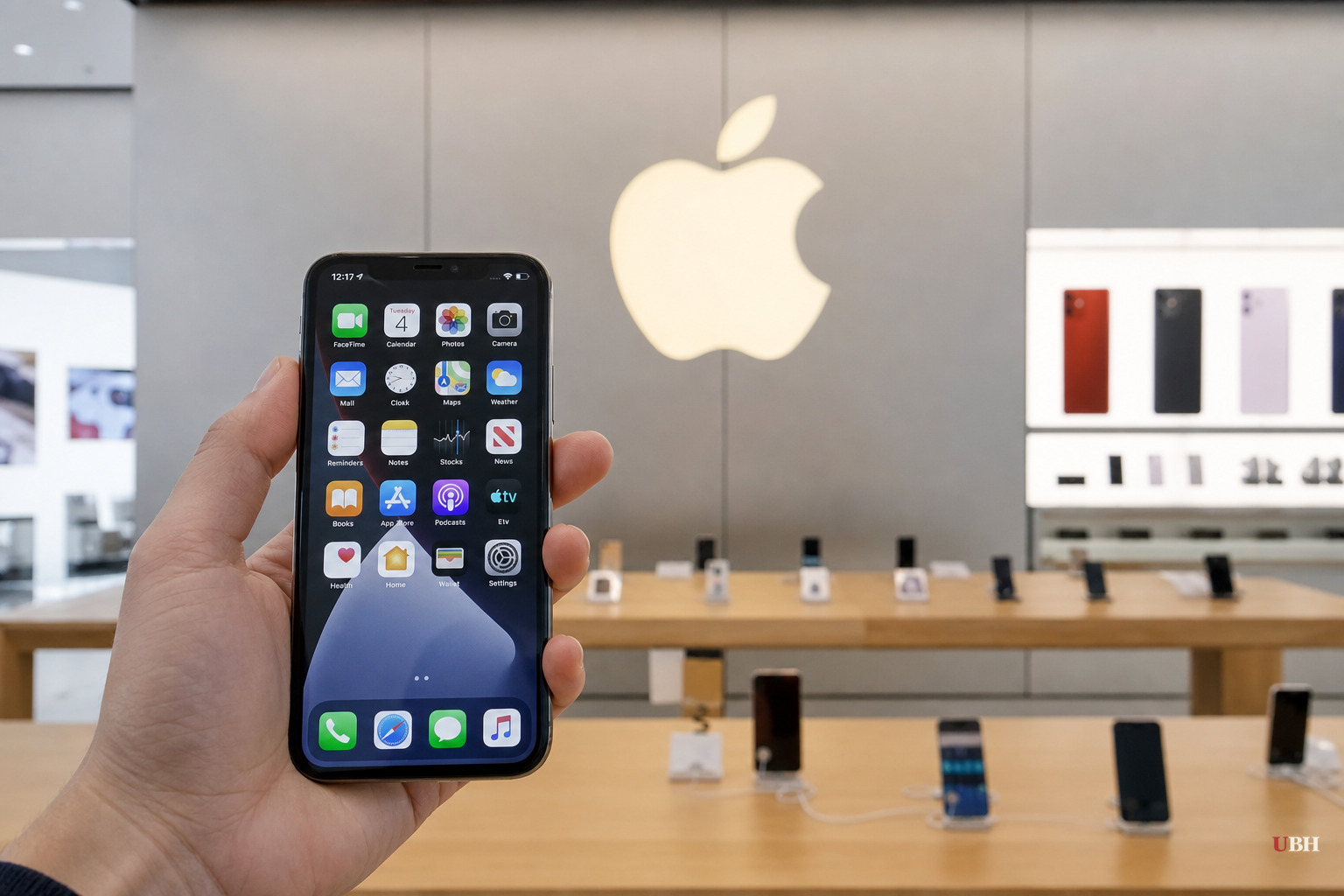
Apple hasn't announced a leasing program. It hasn't announced a device lock feature. But the code for both just showed up in a beta.
According to 9to5Mac, the iOS 27 beta contains a system called "App Managed Features" that lets an authorized financing or provider app enroll an iPhone and continually check whether the payment contract tied to it is in good standing. If it isn't, Apple's system services can flip the phone into what the code calls "Restricted Mode."
In that mode, the phone reportedly loses access to nearly all apps. What survives is a short allowlist: the Phone app, Settings, the App Store, and apps capable of sending critical alerts, things like Messages, Home, and certain medication or safety apps. Even those exceptions appear to be partly controlled by the financing provider, per 9to5Mac's reporting.
There's no fixed trigger. 9to5Mac reports there isn't a set number of missed payments that automatically locks the device. The financing provider's app decides when to pull the trigger, based on its own internal policy. This means the terms of when your phone gets bricked live in a lender's app logic, not in a rule Apple publishes for consumers.
The code also describes a new "Partner Finance Lock," built on top of Find My, meant to stop someone from wiping, reselling, or parting out a restricted device. The Verge notes this reportedly does not give financing partners access to the phone's location data. The obvious concern is whether a landlord-style tracking tool could be disguised as a repo mechanism.
One wrinkle both outlets flag: the restriction apparently doesn't touch App Store subscriptions tied to a blocked app. So if your account is locked and you can't open Netflix or a game you're subscribed to through the App Store, the subscription can reportedly keep billing anyway. You'd be paying for access you can't use.
Where this comes from
Bloomberg reported earlier this week that Apple is preparing to launch a financing program called "Apple Upgrade" in the US, partnering with buy-now-pay-later company Klarna. Per Bloomberg's reporting, the plan covers most current iPhone, Mac, iPad, and Apple Watch models. iPhones and Apple Watches would carry 24-month leases; Macs and iPads would run 36 months. Customers could pay off the device early or upgrade before the term ends, potentially for an extra fee, and at the end they'd either keep the hardware or hand it back, similar to a car lease.
None of this is confirmed by Apple. The company did not respond to The Verge's request for comment. Both the leasing program and the restriction code are unannounced and could change or disappear before iOS 27 ships to the public.
The fair concern here
Financing companies already have leverage over hardware they don't fully own until it's paid off, whether that's a car, a mattress, or a phone. Carriers have run device-locking arrangements for years to protect themselves against people financing a phone and never paying for it. From that angle, a remote lock on a leased iPhone is just Apple building the same protection carriers already have, applied to its own leasing product.
The pushback is that a phone isn't a car. It's the thing people use for two-factor authentication, banking apps, work email, and increasingly, health and safety features. Reducing a phone to Phone, Settings, and the App Store over a missed payment is a much bigger disruption to someone's daily life than a repossessed vehicle sitting in a driveway. And because the lock trigger is set by the financing provider's own app logic rather than a disclosed, uniform Apple policy, customers won't necessarily know in advance exactly what counts as falling behind.
What's still unknown
Apple hasn't confirmed the Apple Upgrade program exists, hasn't detailed pricing or credit terms, and hasn't said whether Restricted Mode as coded in the iOS 27 beta will ship in that form, get modified, or get pulled entirely before public release. There's also no confirmation yet on whether the subscription-billing-during-lockout behavior 9to5Mac describes is intentional or an artifact of an early build. Apple has not responded to requests for comment from The Verge on any of it. The next milestone to watch is whether Apple mentions leasing or device financing when it moves iOS 27 out of beta.
Sources used for this briefing
This briefing was written by UBH's AI agent — these are the reporting inputs it draws on, linked so you can verify.


