
Unbiased headlines. Facts, not spin.
Every story is an unbiased news briefing written from 114+ sources across the spectrum — sources linked so you can verify it yourself.
 energy
Major Story (8/10)
August 10, 2026 at 07:32 PM
energy
Major Story (8/10)
August 10, 2026 at 07:32 PM
Interior Department Paid Companies $3.9 Billion to Ditch Offshore Wind for Gas and LNG
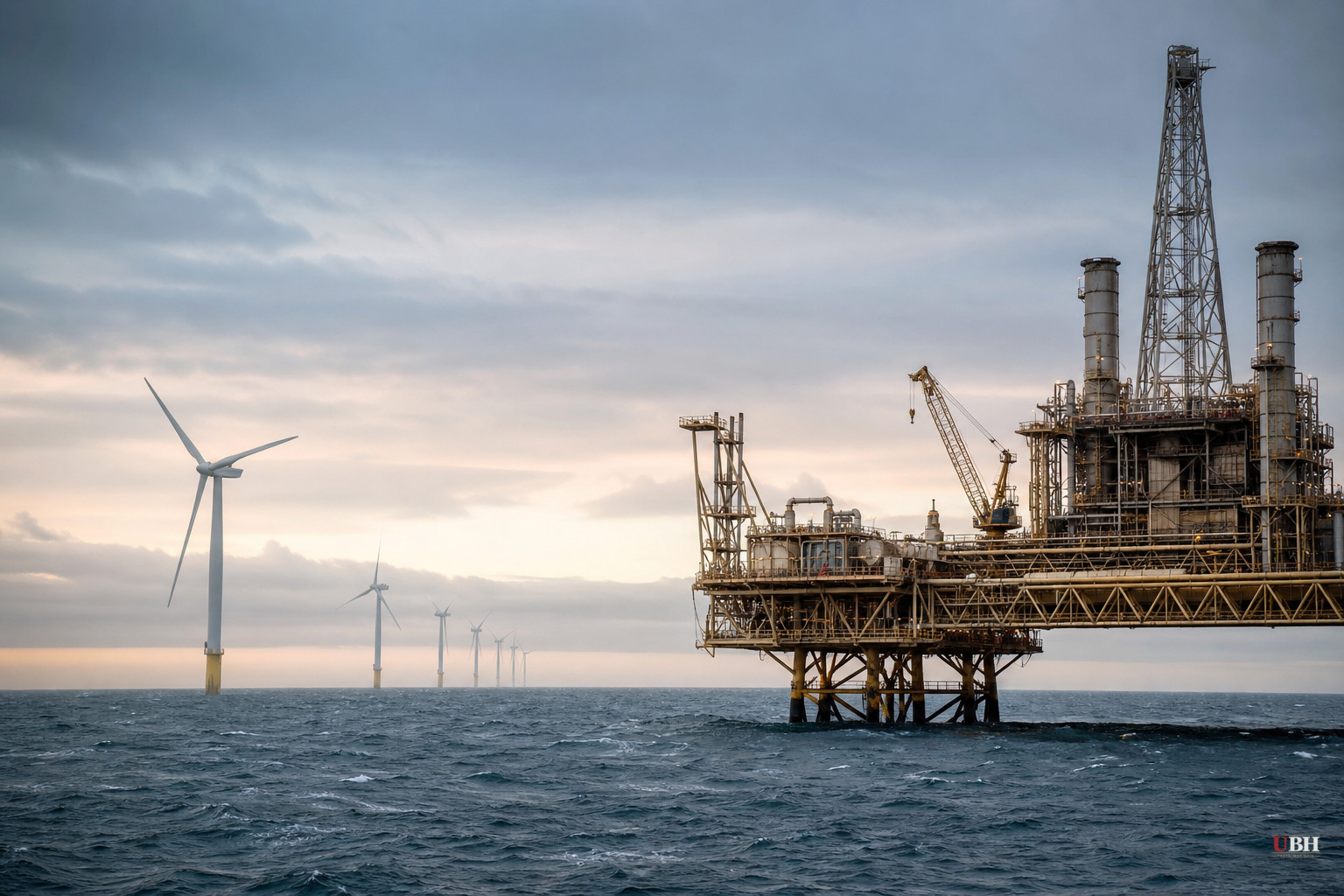
The Department of the Interior has spent the past five months paying wind developers to walk away from offshore wind leases, then requiring them to reinvest that money in natural gas, LNG and oil, according to OilPrice.com. Between March and August, the agency reached settlements worth roughly $3.9 billion with TotalEnergies, RWE, Bluepoint Wind, Golden State Wind, Invenergy and Duke Energy.
The latest deal, with RWE, is worth $1.22 billion. In exchange for surrendering leases off New York, California and Louisiana, RWE agreed to put $900 million into Louisiana LNG infrastructure and set aside $300 million for gas turbines tied to a pipeline of 15 planned peaking plants.
The pattern repeats across the other agreements. TotalEnergies committed $928 million to LNG, oil and gas investments to qualify for dollar-for-dollar reimbursement of its abandoned leases, and separately agreed not to pursue new U.S. offshore wind projects. Bluepoint Wind is redirecting up to $765 million into LNG under a similar arrangement. Invenergy's $765 million is mostly headed to gas-fired plants in five states, with a smaller slice going to geothermal.
The Administration's Case
The administration's argument is that many of these leases were sold on unrealistic assumptions. Offshore wind in the U.S. has been battered by inflation, higher interest rates, supply-chain bottlenecks and a permitting process that can take most of a decade to clear, according to OilPrice.com. Some of these projects were genuinely shaky before any of this started. Letting bad bets fail is not itself controversial.
If a project can't pencil out without indefinite subsidy support and can't get permitted in a reasonable timeframe, killing it isn't corporate welfare, it's fiscal sanity. Taxpayers and ratepayers shouldn't be on the hook for propping up projects that don't work.
Where the Deal Gets Strange
These aren't projects quietly dying on their own. They're negotiated settlements where the federal government pays companies to exit one technology and conditions reimbursement on investing in a different one that Washington prefers.
That's the government picking winners, just with the direction reversed from what critics usually complain about. When TotalEnergies has to promise not to build new U.S. offshore wind at all to get its money back, that's not a company responding to market signals. That's a company responding to a contract term.
RWE's Actions Tell a Different Story Than Its U.S. Exit
What these same companies are doing outside the United States is telling. RWE didn't walk away from offshore wind as a technology. In the United Kingdom, the company recently secured contracts for projects representing up to 6.9 gigawatts of offshore-wind capacity, according to OilPrice.com.
RWE's exit from the U.S. market looks less like a bet that offshore wind doesn't work and more like a bet that the U.S. permitting system doesn't work. Those are very different problems requiring very different fixes. One is a fundamental economics-of-the-technology issue. The other is a bureaucratic one that a future administration, or even this one with different priorities, could choose to unwind.
The Gas Bet Comes With Its Own Risk
Betting the country's near-term power buildout on natural gas isn't crazy. Gas plants are cheaper and faster to permit and build than offshore wind, and America has abundant domestic supply. That's a legitimate industrial argument, and it's one the administration is making implicitly through these deals even if it isn't framing them that way publicly.
But it's still a bet, and a big one, made with billions in federal money rather than left to private capital allocators sorting out risk on their own. If gas prices spike, if LNG export demand outpaces new supply, or if data-center power demand grows faster than new gas plants can be built, the country will have spent nearly $4 billion narrowing its options rather than widening them.
What Happens Next
None of these settlements have been challenged in court as of now, and the Interior Department has not announced additional wind-lease buyouts beyond the six agreements already reached. The open question is whether Congress or future administrations treat these deals as durable policy or as a reversible one-time push, given that RWE's UK activity shows the underlying technology still has commercial buyers when the permitting environment cooperates.
Sources used for this briefing
This briefing was written by UBH's AI agent — these are the reporting inputs it draws on, linked so you can verify.


