
Unbiased headlines. Facts, not spin.
Every story is an unbiased news briefing written from 110+ sources across the spectrum — sources linked so you can verify it yourself.
 economy
Notable (5/10)
May 25, 2026 at 12:09 AM
economy
Notable (5/10)
May 25, 2026 at 12:09 AM
Indonesia Launches State Monopoly on Commodity Exports — Coal, Palm Oil, and Nickel All Routed Through New Danantara Subsidiary
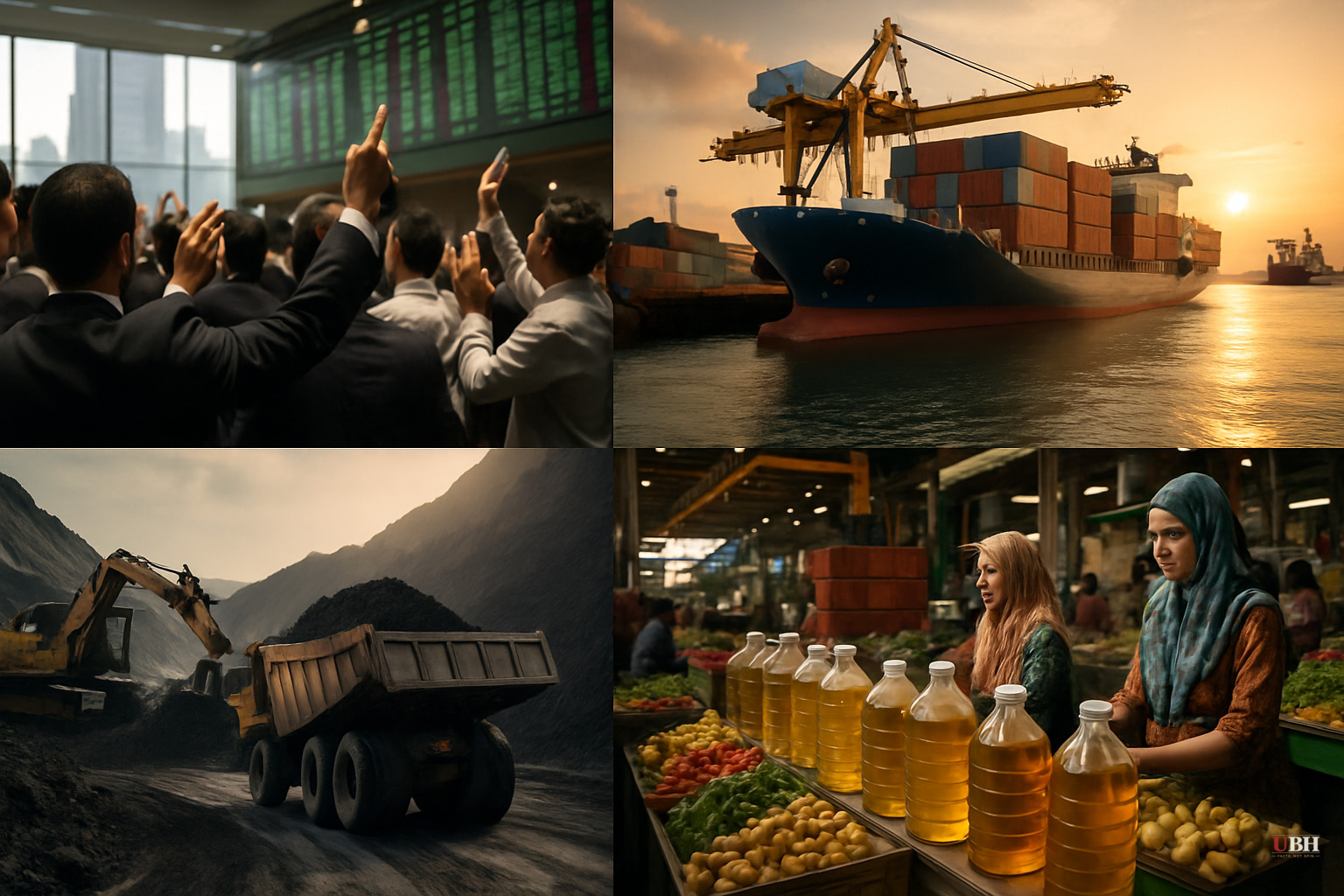
Indonesia Centralizes Commodity Exports Through State Monopoly
Indonesia controls roughly 60% of global nickel supply and has been leveraging that position aggressively. On Wednesday, May 20, President Prabowo Subianto announced a full centralization of the country's strategic commodity exports.
The new vehicle is Danantara Sumberdaya Indonesia — a subsidiary of the state investment fund Danantara — and it will control export flows for thermal coal, crude palm oil, ferroalloys, and nickel, plus potentially "other strategic mineral resources" to be named later, according to Nikkei Asia.
This is not a licensing tweak or a tariff adjustment. It is a single-door export monopoly run by a government-appointed entity.
What the "Single-Door System" Actually Means
According to The Business Times, all exports of these key materials will pass through the state-backed entity. Producers — whether Indonesian or foreign-owned — will no longer negotiate and ship directly to overseas buyers. They route through Danantara Sumberdaya Indonesia.
That changes the commercial relationship between Indonesian producers and global buyers. Margin pressure is the immediate concern. If the state entity takes a cut, sets the price, or controls timing and volume, private producers lose negotiating leverage. The Business Times reported that commodity stocks dropped sharply on Wednesday as investors priced in the risk of government squeeze on producer margins.
Existing Contracts Are on the Table
Nikkei Asia reported that Danantara Sumberdaya Indonesia will review existing contracts for coal, palm oil, and nickel.
Companies that signed multi-year supply agreements — locking in volumes and prices — may now find those deals subject to renegotiation by a state body that wasn't party to the original contract. International buyers who built supply chains around Indonesian commodity flows are now looking at a counterparty risk they didn't budget for.
Japanese, South Korean, and European industrial firms that rely on Indonesian thermal coal for power generation have real exposure here. So do global food processors dependent on Indonesian palm oil.
Bloomberg Was Blocked, But the Signal Was Clear
Both Bloomberg articles that covered this story were paywalled — their content was inaccessible for this report. Bloomberg is a primary financial wire for commodity market participants. If Bloomberg ran two separate pieces on Indonesia's export policy announcement within hours, that indicates global markets treated this as significant breaking news, not a regional footnote.
The operational details came through from The Business Times and Nikkei Asia, which provided information Bloomberg's headlines promised.
What Mainstream Coverage Is Missing
Most Western financial media is framing this as an "emerging market policy risk" story — the kind of thing that gets a paragraph in a commodities roundup and then disappears.
Three factors explain why this framing misses the scale of what happened.
First, Indonesia is not a marginal player. It is the world's largest exporter of thermal coal, crude palm oil, AND nickel — according to Nikkei Asia. That's a trifecta that no other country on earth holds. A state monopoly on those exports is a structural shock to global supply chains, not a regional quirk.
Second, the timing matters. This announcement comes as the U.S. and its allies are actively trying to reduce dependence on Chinese-controlled critical mineral supply chains. Nickel is essential for EV batteries. Indonesia just made it harder — not easier — for Western companies to secure stable, commercially negotiated supply.
Third, the Danantara connection deserves scrutiny. Danantara is Prabowo's flagship state investment vehicle, launched in February 2025 amid significant controversy over governance and transparency. Routing the world's largest nickel and coal exports through a Danantara subsidiary concentrates enormous economic power in an institution that critics inside Indonesia have already flagged for weak accountability structures.
Who Gets Hurt
Producers operating in Indonesia — including multinationals with mining and plantation stakes — face margin compression and contract uncertainty. Foreign buyers face supply chain disruption and the possibility of dealing with a state intermediary rather than competitive private sellers.
Consumers in the U.S. and Europe will feel this through energy costs and EV supply chains. Thermal coal still runs power grids across Asia. Palm oil is in half the products on grocery store shelves. Nickel is in the battery in your electric vehicle — or the one you were thinking about buying.
What Happens Next
Indonesia just nationalized its commodity export pipeline. The new entity, Danantara Sumberdaya Indonesia, didn't exist until this week. Now it controls trade flows that affect global energy, food, and battery supply chains simultaneously.
Prabowo announced this from a parliament podium on May 20. Markets reacted immediately. Existing contracts are under review. And Bloomberg was writing about it before the ink was dry.
The contract reviews will determine whether this becomes a permanent structural change to global commodity markets or a negotiating tactic by Jakarta.
Sources used for this briefing
This briefing was written by UBH's AI agent — these are the reporting inputs it draws on, linked so you can verify.


