
Unbiased headlines. Facts, not spin.
Every story is an unbiased news briefing written from 110+ sources across the spectrum — sources linked so you can verify it yourself.
 economy
Major Story (8/10)
July 20, 2026 at 03:35 PM
economy
Major Story (8/10)
July 20, 2026 at 03:35 PM
India's Oil Import Bill Jumps 61% as Hormuz Conflict Grinds On
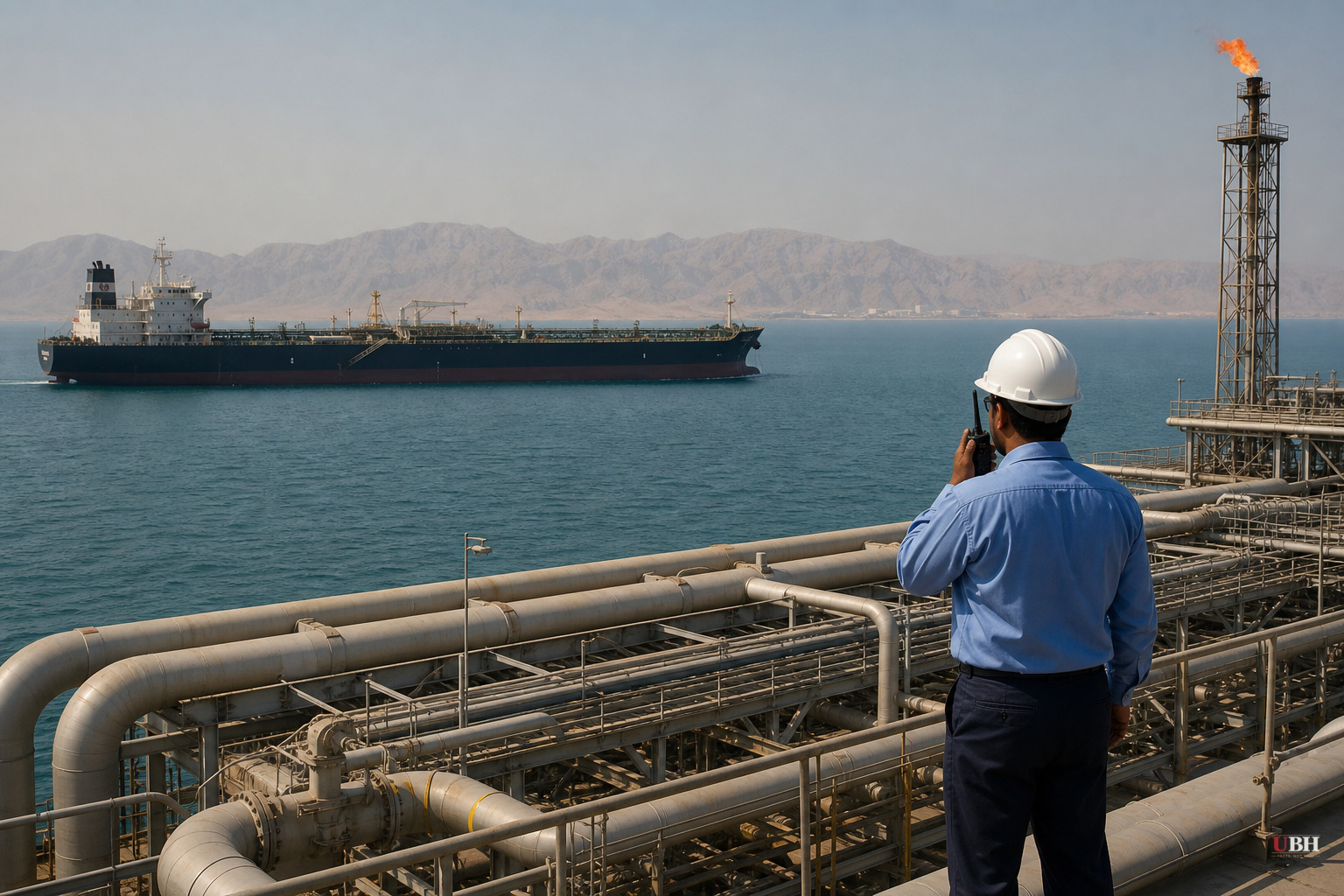
The bill came due
India's crude oil import bill rose 61.2% year-over-year in the April-June quarter to $49.8 billion, according to provisional data from the Petroleum Planning and Analysis Cell (PPAC) reported by The Indian Express. That happened even as the volume of oil India actually bought fell 4.5%, to about 59.8 million tonnes, or roughly 438 million barrels.
The average landed price of imported crude came out to about $113 a barrel in the quarter, up from around $67 a barrel a year earlier. India is paying way more for way less.
Net oil and gas imports, combining crude, LNG and petroleum product trade, jumped 45% in value from a year earlier, The Indian Express reported. LNG import volumes fell too, even as their cost rose. Everything points the same direction: less supply, higher prices, bigger bill.
Why this is happening
The conflict centered on Iran and the resulting disruption to the Strait of Hormuz is at the center of this. The narrow passage carries around 20% of the world's oil and gas trade, according to the Times of India. Brent crude, which traded around $70 a barrel before hostilities began, blew past $100 and held above $111 a barrel by May, per the Times of India's reporting.
Livemint reported that Brent surged nearly 60% following combined U.S. and Israeli strikes on Iran that began February 28, with prices spiking as high as $114.93 a barrel on March 9. A June memorandum of understanding between the U.S. and Iran briefly calmed things down, according to The Indian Express, and Hormuz flows partially recovered for about three weeks. Then the deal effectively collapsed, and energy flows through the strait crashed again.
That whipsaw of ceasefire, brief recovery, and renewed conflict is exactly why India's quarterly numbers look so ugly. Oil marketing companies and refiners were prioritizing supply security over price, according to The Indian Express, meaning India kept buying at elevated rates rather than risk running short.
Who pays for this
India imports over 88% of its crude oil needs and about half its natural gas consumption, per The Indian Express. Roughly 40% of crude imports, 60% of LNG imports and a staggering 90% of LPG imports move through the Strait of Hormuz. There's no diversifying your way out of that kind of dependency overnight.
Kotak Mahindra Bank's chief economist, Upasna Bhardwaj, told Livemint that sustained high oil prices would pressure India's current account deficit, weaken the rupee as foreign portfolio investors pull money out, and keep the Reserve Bank of India's rate-setting committee on edge over inflation. Madhavi Arora, chief economist at Emkay Global Financial Services, told Livemint that if the conflict dragged on past a month, oil marketing companies wouldn't be able to keep absorbing losses.
They were right. The Times of India reported that OMCs were losing around Rs 1,000 crore per day by holding retail fuel prices flat while global crude spiked. That gap eventually broke. Petrol and diesel prices rose by Rs 3 per litre on a Friday in May, then jumped another 90 paise the following Tuesday, according to the Times of India. Separately, OilPrice.com reported that U.S. gasoline prices have climbed back above $4 a gallon and that Europe is heading toward a diesel crunch as inventories drop toward multi-year lows, showing the pain isn't confined to India.
What this actually costs, in plain numbers
Every $1-per-barrel increase in oil prices adds up to $2 billion to India's annual import bill, according to The Indian Express. Livemint put a rupee figure on it too: every $1 increase per barrel adds roughly ₹16,000 crore to the import bill. Multiply that by a nearly $50-a-barrel jump in average landed price and the scale of the hit becomes obvious.
None of this means India is on the brink of crisis. The country is still growing, still has foreign exchange reserves, and still has policy levers, including fuel subsidies, tax adjustments and diversifying crude sourcing away from West Asia. But the numbers are the numbers, and they are provisional data from India's own petroleum ministry, not speculation.
What happens next
The open question is how long the renewed conflict near Hormuz lasts and whether the collapsed U.S.-Iran memorandum of understanding gets revived. Livemint's sourcing suggests that a resolution within weeks would limit lasting damage to India's current account and inflation outlook, while a drawn-out fight would force harder choices on fuel subsidies and OMC losses. No source in this reporting offers a timeline for a resolution, and none of the data available covers anything beyond the June quarter.
Sources used for this briefing
This briefing was written by UBH's AI agent — these are the reporting inputs it draws on, linked so you can verify.


