
Unbiased headlines. Facts, not spin.
Every story is an unbiased news briefing written from 110+ sources across the spectrum — sources linked so you can verify it yourself.
 energy
Notable (5/10)
August 7, 2026 at 04:30 PM
energy
Notable (5/10)
August 7, 2026 at 04:30 PM
India's Domestic Crude Oil Production Falls for a Third Straight Year, Import Reliance Grows
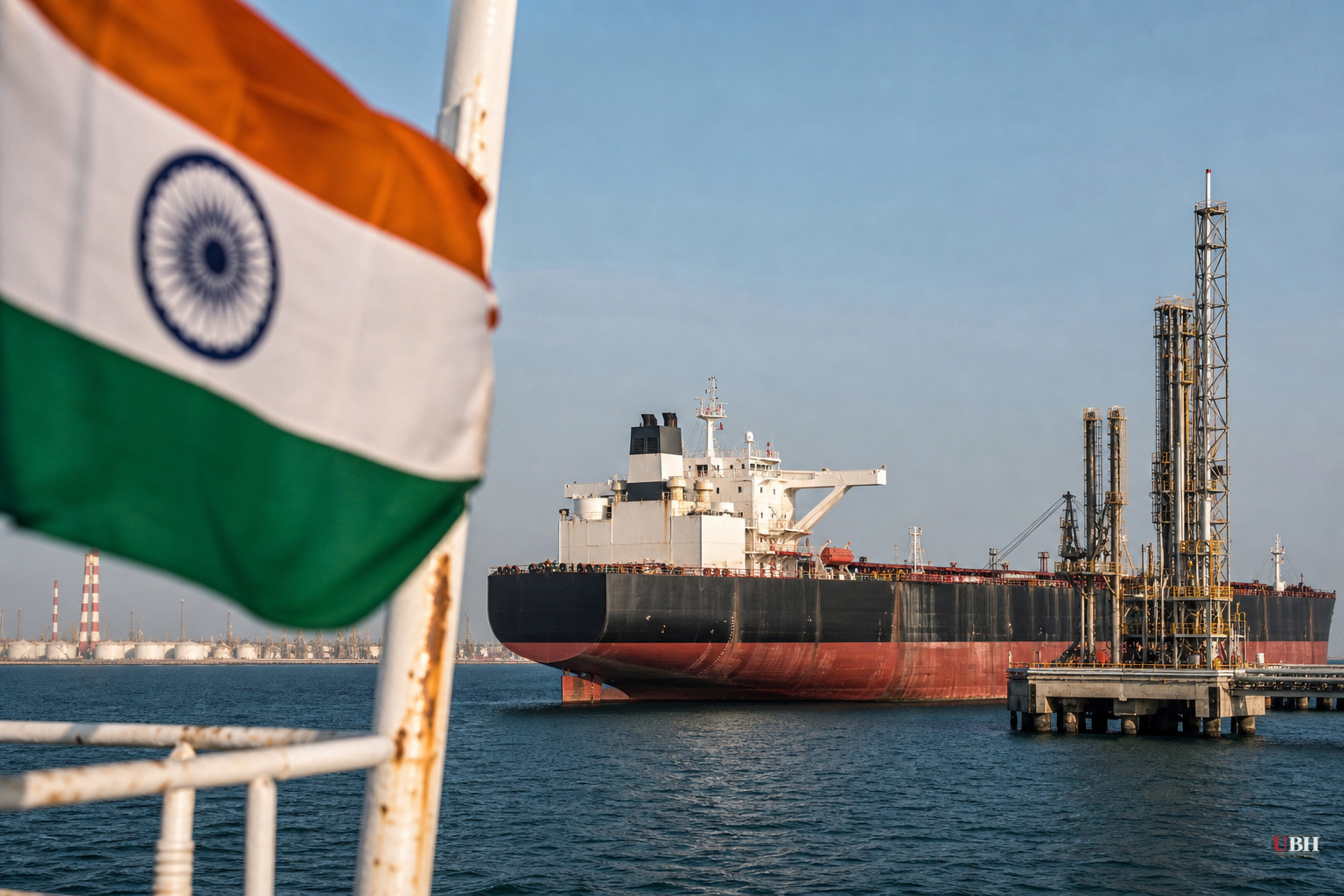
India's oil fields are producing less crude for the third year running, according to OilPrice.com, a trend that keeps pushing the world's third-largest oil importer further into dependence on foreign barrels.
India already buys the vast majority of its crude from abroad. When domestic output drops, that import share only grows, and so does India's exposure to whatever OPEC, Russia, or the Middle East decide to do with supply and pricing.
Why This Keeps Happening
Declining domestic output isn't a mystery. India's major producing fields, many of them decades old, are naturally maturing and yielding less oil over time. New discoveries haven't kept pace with the decline.
State-run producers like Oil and Natural Gas Corporation (ONGC) dominate India's upstream sector, and critics have long argued that bureaucratic hurdles, slow contract awards, and limited foreign investment have kept exploration underfunded compared to what's needed to offset natural field decline.
The Indian government has tried to counter this with reforms aimed at attracting private and foreign capital into exploration and production, including auction rounds for new blocks. Those efforts haven't been enough to reverse the three-year skid.
The Import Math
India currently sources crude from a mix of suppliers, with Russia emerging as a major supplier in recent years as New Delhi took advantage of discounted Russian barrels following Western sanctions over the war in Ukraine. Middle Eastern producers, particularly Saudi Arabia and Iraq, remain core suppliers as well.
The Indian Basket price, a benchmark reflecting the average cost of crude India imports, was trading at $85.05 per barrel, up $1.22, or 1.46%, according to pricing data from OilPrice.com. That's notably higher than global benchmarks like WTI Crude at $78.12 and Brent Crude at $83.32 in the same data set, reflecting the mix and logistics of India's actual import basket.
Every barrel India can't pump itself is a barrel it has to buy on the open market, in dollars, shipped from somewhere else. That's a direct hit to India's trade balance and a source of currency pressure whenever global oil prices spike.
The Economic Case for Imports
Supporters of India's current energy strategy have a real argument. Pumping every last barrel out of aging domestic fields at high cost doesn't necessarily make sense when cheaper imported crude, especially discounted Russian oil, is available on the global market. From that view, India's declining production is an economic choice to buy cheap oil where available and focus domestic investment on refining capacity and renewable energy instead of chasing diminishing returns from mature oil fields.
That's a legitimate cost-benefit argument. But it doesn't erase the strategic risk. Relying more heavily on imports, even cheap ones, means India's energy security is increasingly tied to decisions made in Moscow, Riyadh, and Washington, not New Delhi.
The Bigger Regional Picture
India's declining output stands in sharp contrast to what's happening elsewhere in the oil world. Libya is aiming to boost its own production to 2 million barrels per day by the early 2030s, according to OilPrice.com. The UAE's state oil company, ADNOC, just bought 11 supertankers for $1.3 billion to expand its export fleet, a sign Gulf producers are betting on growing, not shrinking, their role in global oil flows.
Meanwhile, Saudi Arabia, Pakistan, and Turkey are reportedly set to sign a defense deal, according to the same OilPrice.com reporting. That's a reminder that energy politics in the region are tangled up with security alliances that don't always run through New Delhi.
What Happens Next
India's Ministry of Petroleum and Natural Gas has pushed exploration licensing reforms and courted foreign investment to try to reverse the production slide. Whether those efforts bear fruit will show up in next year's output numbers.
Until domestic production stabilizes or grows, India's import bill and its exposure to global oil price swings and supplier geopolitics will only increase.
Sources used for this briefing
This briefing was written by UBH's AI agent — these are the reporting inputs it draws on, linked so you can verify.


