
Unbiased headlines. Facts, not spin.
Every story is an unbiased news briefing written from 110+ sources across the spectrum — sources linked so you can verify it yourself.
 economy
Low Interest (4/10)
July 13, 2026 at 12:42 PM
economy
Low Interest (4/10)
July 13, 2026 at 12:42 PM
India's Consumer Prices Rose 4.38% in June as Iran War Pushes Up Fuel Costs
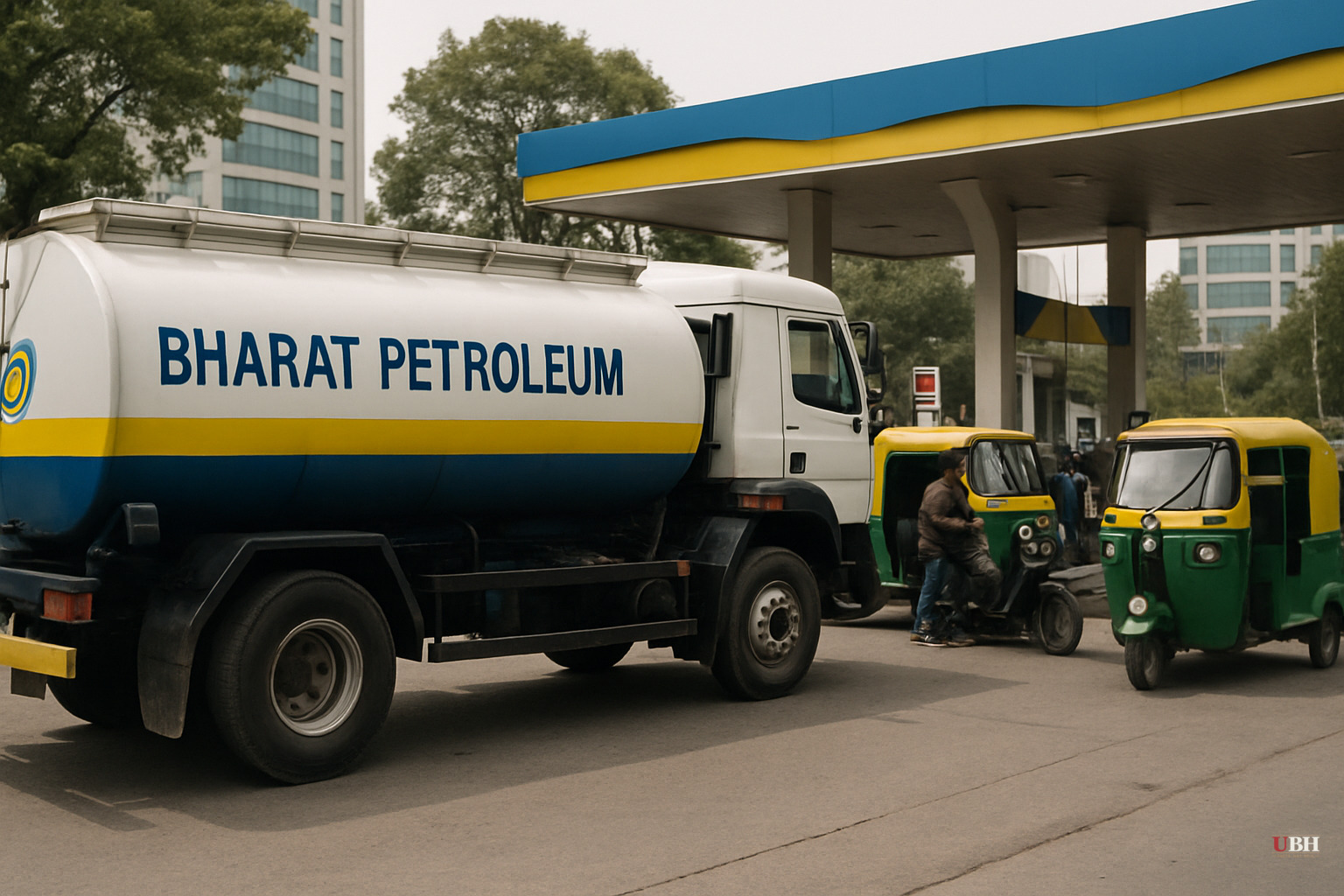
Inflation Beats Forecasts, Again
India's consumer price inflation climbed to 4.38% in June, up from 3.93% in May, according to a Monday release from India's Ministry of Statistics and Programme Implementation. That came in hotter than the 4.30% economists expected in a Reuters poll.
Food prices drove much of the increase. The All India Consumer Food Price Index rose 5.32% year-over-year in June, the ministry said. Transport costs jumped 4.3% in June, more than double May's 1.75% increase, as fuel prices climbed.
Why It's Happening: Iran, Not Just Weather
The timing matters. Hostilities between the U.S. and Iran resumed last week after a brief ceasefire in June, and the two sides are now contesting control of the Strait of Hormuz, one of the world's most critical energy chokepoints, according to CNBC.
That's a direct hit to India. The country imports roughly 85% of its fuel needs. About 50% of its crude oil, 60% of its liquefied natural gas, and nearly all of its liquefied petroleum gas flow through the Strait of Hormuz. When that route gets contested, Indian consumers feel it at the pump and in their grocery bills almost immediately.
A country that imports the vast majority of its fuel is always going to be one geopolitical flashpoint away from an inflation spike.
The Monsoon Problem
Weather is compounding the energy shock. Research firm Crisil, owned by S&P Global, said in a Friday report that a rapid monsoon advance cut India's rainfall deficit from 40% to 15% as of July 8.
But the India Meteorological Department is forecasting July rainfall will still come in 6% below the long-period average. Crisil warned that these swings between drought and flooding can be just as disruptive to crops, sowing decisions, and rural incomes as a straightforward weak monsoon.
India is also facing broader El Niño-related risk this year, according to the Reserve Bank of India, which flagged the potential for crop shortages when it left interest rates unchanged last month.
The RBI's Bet
The central bank isn't pretending this gets better soon. The RBI forecasts inflation will rise to 5.1% for the financial year ending March 2027, and it's pegging core inflation at 4.7% for the same stretch. It held rates steady anyway, betting it can wait out a supply-driven spike rather than slam the brakes on growth in what's still the world's fastest-growing major economy.
There's a legitimate case against that patience. If you're a household watching food and transport costs rise every month, "core inflation hasn't become a major concern yet" is not much comfort. Economists who favor a more aggressive rate response would argue that letting food and fuel inflation run for months risks it bleeding into wages and broader price expectations, exactly the kind of second-round effect the RBI itself has admitted it's watching for through higher input, transportation, and operational costs feeding into core inflation over time. That's a fair worry, and it's one the RBI has acknowledged rather than dismissed.
Still, raising rates does nothing to fix a war in the Persian Gulf or a fickle monsoon. The RBI's tools are blunt instruments for a problem that's mostly coming from outside India's borders. Holding rates while flagging the risk rather than overreacting to a single hot print is a defensible call.
What's Next
The open question is how long the Strait of Hormuz standoff lasts, and whether India's government leans on fuel subsidies or tax cuts to cushion consumers if oil prices keep climbing. New Delhi has used targeted excise cuts on petrol and diesel before during past oil shocks. Whether it does so again will say a lot about how seriously the government takes this inflation print versus treating it as a one-month blip.
The next real test comes with July's inflation data and the monsoon's actual performance against that 6%-below-average forecast from the India Meteorological Department. If rainfall disappoints and Hormuz tensions don't ease, the RBI's 5.1% forecast could end up looking optimistic rather than cautious.
Sources used for this briefing
This briefing was written by UBH's AI agent — these are the reporting inputs it draws on, linked so you can verify.


