
Unbiased headlines. Facts, not spin.
Every story is an unbiased news briefing written from 110+ sources across the spectrum — sources linked so you can verify it yourself.
 economy
Notable (6/10)
July 30, 2026 at 08:15 AM
economy
Notable (6/10)
July 30, 2026 at 08:15 AM
India's Central Bank Sold Dollars Twice in a Week to Stop the Rupee From Hitting a Record Low
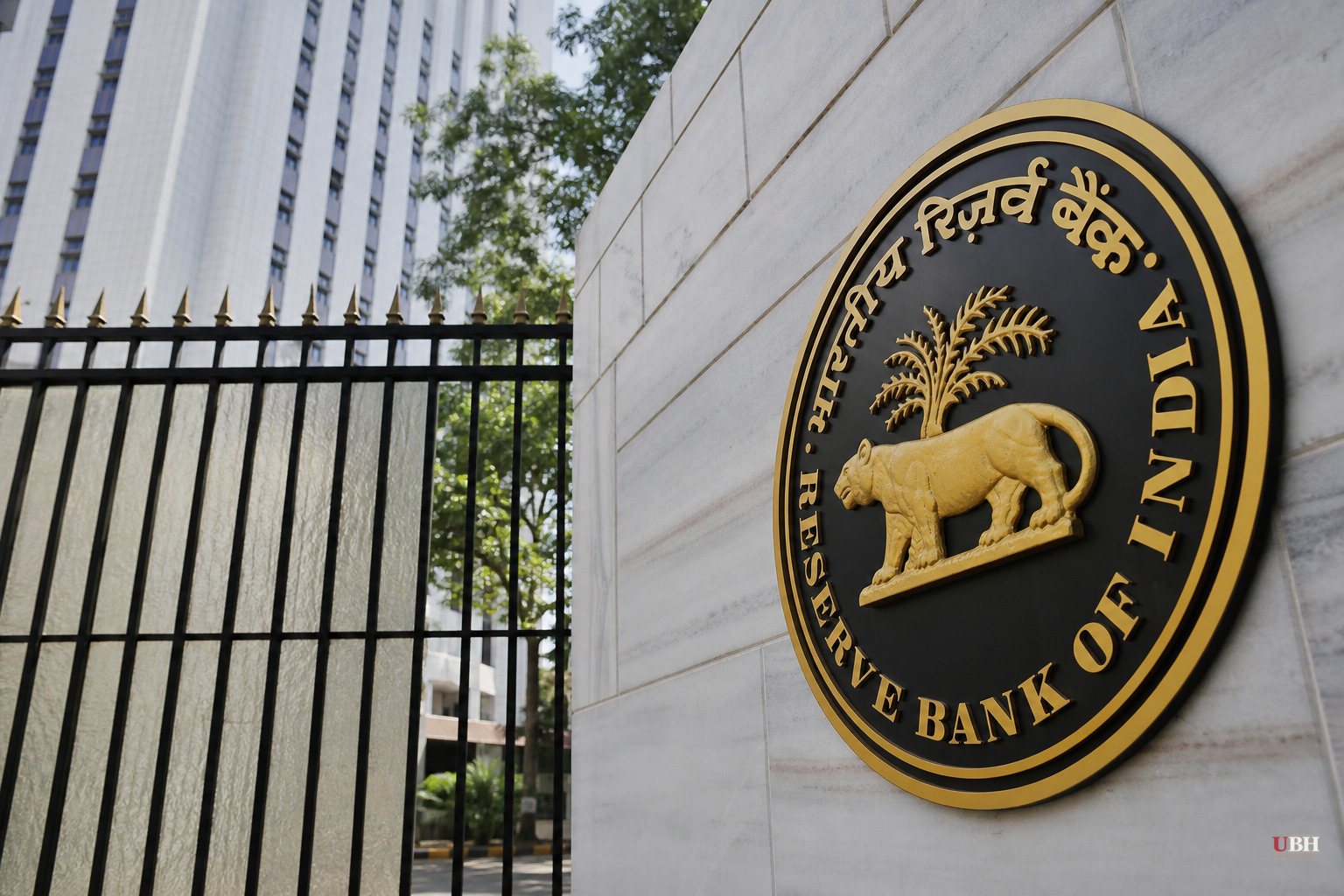
India's rupee has spent the back half of July circling its all-time low, and the country's central bank has stepped in more than once to keep it from breaking through.
On July 24, state-run banks were spotted selling dollars just before the local market opened at 9am, most likely on the Reserve Bank of India's behalf, according to three traders who spoke to Reuters. The rupee had slid to 96.80 per dollar on the interbank order-matching system before the intervention pulled it back to around 96.50, according to the Straits Times. Its record low of 96.96 was set in May.
The pressure came from oil. Brent crude jumped more than 7% to top $100 a barrel for the first time in two months, according to the Straits Times, after the Iran-backed Houthis in Yemen claimed an attack on two Saudi oil tankers in the Red Sea. President Donald Trump promised "major military punishment" for Iran and the Houthis, according to that same reporting, which only added to the market's nerves. The Business Times reported Brent futures at $101.06 a barrel that Friday.
India imports nearly 90% of its crude oil. When oil spikes, so does the country's import bill, which drives up demand for dollars and drags the rupee down. That's the basic math the RBI is fighting.
The Monday Rebound
Days later, the central bank went bigger. According to BigGo Finance, the RBI sold a substantial amount of dollars on Monday, stepping in when the rupee was trading around 96.15 per dollar and aggressively buying rupees back. The rupee jumped as much as 0.8% during the session, hitting an intraday high of 95.7838, its largest single-day gain since June 15.
That rebound wasn't just about central bank muscle. Dilip Parmar, a foreign exchange analyst at HDFC Securities, told BigGo Finance that the RBI's intervention landed on a day when it already had help: falling international oil prices, a weaker U.S. dollar index, and confidence-boosting comments from RBI Governor Sanjay Malhotra. Intervening when the market already wants to go your way gets you more bang for your buck than fighting the tide, according to Parmar.
Malhotra reportedly told media that India's banking system has mobilized $32 billion in foreign capital through a recent series of measures aimed at drawing in investment, according to BigGo Finance. That kind of statement is meant to signal the central bank has ammunition and confidence, not just a defensive posture.
Why the RBI Won't Say What It's Doing
The RBI has a longstanding line: it doesn't target a specific exchange rate, it just intervenes to curb "excessive volatility." That's the official position cited by the Straits Times, and it's a defensible one. Central banks that publicly commit to defending a specific level invite speculators to test that line and force a costly, losing fight.
But that same ambiguity is also subject to criticism. A trader quoted by the Straits Times said the RBI's intervention this week "appeared to be stronger than earlier this week" and that the central bank wants to "show its muscle" to deter speculative bets against the rupee. The trader added that fundamental pressures still point toward further depreciation regardless of how hard the RBI pushes back in any single session.
Amit Pabari, managing director at foreign exchange advisory firm CR Forex, was blunt about the trajectory, telling the Straits Times that with Brent near $100 and geopolitical risk elevated, the dollar-rupee rate was expected to move beyond 97.00, with 97.50 likely in the near term. That forecast was made before Monday's rebound, and the rupee's climb back to 95.78 shows how fast sentiment can flip when oil eases and a weaker dollar shows up at the same time.
Still Near the Bottom of the Pack
None of this changes the bigger picture for July. Despite Monday's surge, the rupee remains one of the worst-performing major Asian currencies this month, ranking second-worst according to BigGo Finance's reporting. Indonesia and the Philippines, facing their own currency pressures, have already raised interest rates in response, per the Straits Times. India hasn't taken that step.
The open question is how long the RBI keeps leaning on direct dollar sales instead of a rate hike, and how much firepower it's willing to burn defending a currency that's still down for the month even after its best single day since mid-June. Oil prices tied to the Middle East conflict remain the wild card nobody at the RBI controls.
Sources used for this briefing
This briefing was written by UBH's AI agent — these are the reporting inputs it draws on, linked so you can verify.


