
Original briefings. Zero spin.
Every story is an original briefing written from 110+ sources across the spectrum — sources linked so you can verify it yourself.
 finance
Notable (6/10)
September 3, 2026 at 02:09 AM
finance
Notable (6/10)
September 3, 2026 at 02:09 AM
India's Central Bank Pulls In Record $127 Billion From Overseas Indians, Shuts the Window Early
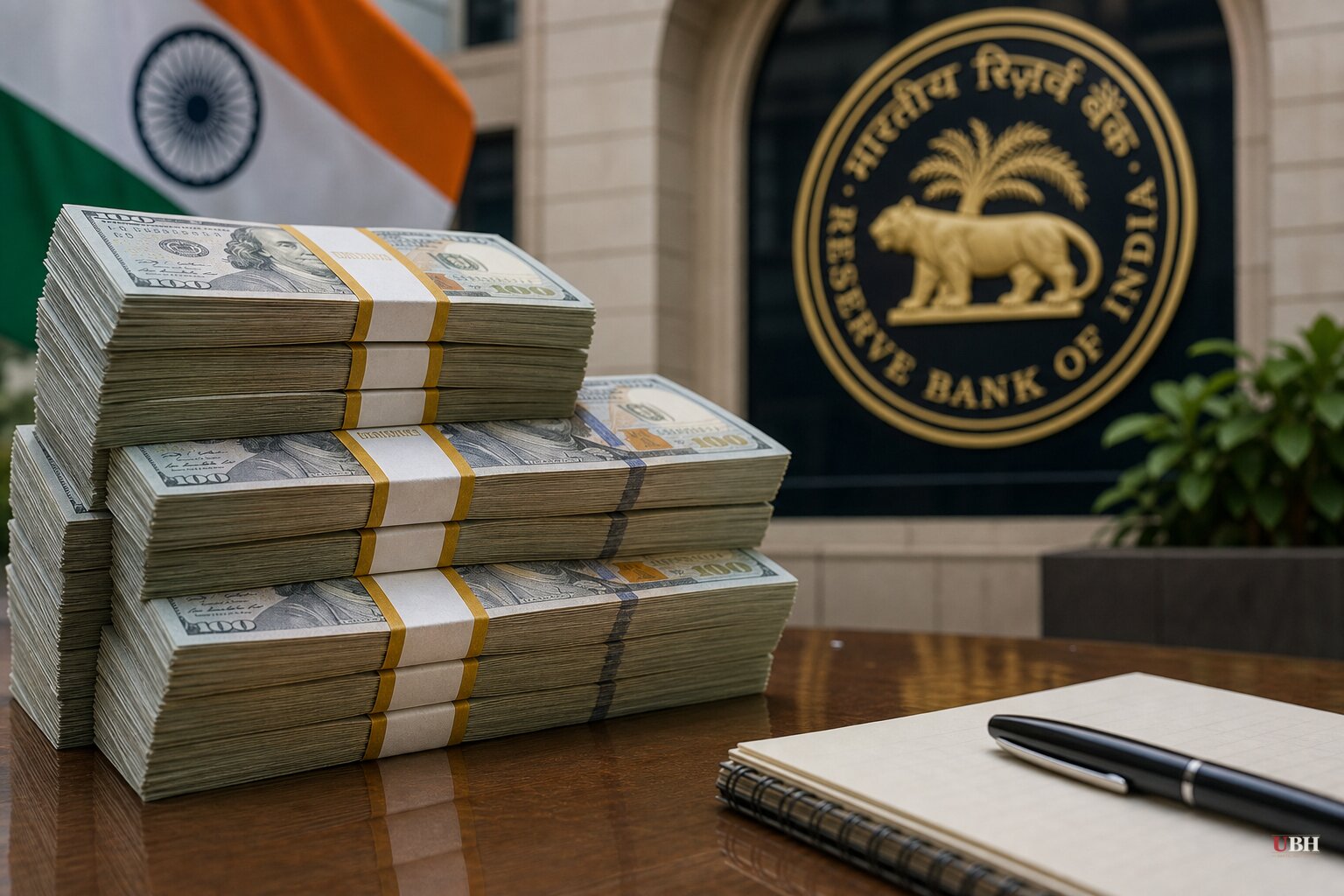
The Reserve Bank of India said Wednesday it raised a record $127.23 billion through a special program targeting foreign-currency deposits from non-resident Indians, according to provisional data the central bank released. Add in overseas foreign-currency borrowings and external commercial borrowings, and the total haul under the broader scheme hits $136.377 billion, per the RBI.
Nate Gregory of Briefs.co reported the total blew past the RBI's own $80 billion internal projection.
How It Worked
The RBI opened the Foreign Currency Non-Resident (Bank), or FCNR(B), window on June 8, 2026. Deposits under the program are held in foreign currency, so non-resident Indians don't take on rupee exchange-rate risk, and banks can repatriate principal and interest in the same currency they came in.
To sweeten the deal for banks, the RBI covered their hedging costs and let them lend against the deposits. Briefs.co reported banks could extend credit up to 19 times the deposit amount. That's the central bank subsidizing risk to pull in dollars fast, and it's a detail most coverage of this story buried or skipped entirely.
ICICI Bank, India's largest private lender, said separately it mobilised $17.88 billion in FCNR(B) deposits on its own by August 31, according to figures the bank released and reported by the Times of India and Millennium Post. ICICI's international branches then lent $9 billion against those deposits and issued $3.63 billion in standby letters of credit tied to the same collateral.
The window was supposed to run until September 30. The RBI shut it down a month early, on August 31, saying it had already hit its target.
The 2013 Comparison
This isn't the RBI's first rodeo. During the 2013 "taper tantrum," when the U.S. Federal Reserve signaled it would pull back stimulus and the rupee cratered, the RBI ran a similar FCNR(B) swap scheme that raised about $26 billion over nearly three months, according to PSU Watch. That earlier program was followed by a sharp rupee rebound.
The 2026 version raised nearly five times that amount, PSU Watch reported, and did it just as fast.
Despite the massive inflows, Briefs.co reported the rupee is "little changed" from where it stood on June 5, when the program launched. In 2013, new dollars flowing in coincided with a currency rebound. This time, the currency just isn't moving the same way, and none of the other six sources in this story's reporting flagged that gap. If the goal was defending the rupee from breaking a record low, as Briefs.co described the aim, the currency's flat performance is either evidence the defense worked exactly as intended, holding the line rather than reversing it, or a sign the intervention's actual currency impact is more modest than the headline dollar figure suggests. The RBI has not addressed that distinction publicly in these reports.
The Broader Numbers
The timing lines up with other strong data points for India's external accounts. The country's foreign exchange reserves climbed to a record $729.328 billion in the week ended August 21, up $12.422 billion, according to RBI data cited by Millennium Post. Banking-system surplus liquidity reportedly hit nearly Rs 5 lakh crore by the end of August, its highest level in more than four months, per the same report.
India's economy grew 7.8% in the April-June quarter, beating the RBI's own 7% forecast, Millennium Post reported. Business Today noted that Prime Minister Narendra Modi's economic advisor Sanjeev Sanyal defended the growth figure publicly, and that economist Arvind Panagariya argued GDP numbers are difficult to fake, pushing back on skeptics of the data.
What's Left Open
The FCNR(B) deposits mature in three and five years, according to Briefs.co, meaning the RBI and Indian banks will eventually have to repay this money in foreign currency, regardless of where the rupee sits then. The ECB and OFCB borrowing windows, unlike the FCNR(B) deposit window, remain open until December 31, Business Today reported, so the total mobilisation figure could still climb.
If $127 billion in fresh dollars didn't move the rupee much, the core question is straightforward: what exactly did the program buy India, beyond a bigger reserve cushion and a subsidized lending boost for banks holding the deposits? The RBI has framed the program as a success because it hit its liquidity target early. Whether that liquidity translates into currency stability, or just sits on the balance sheet as an expensive insurance policy with a bill due in three to five years, is something only time will settle.
Sources used for this briefing
This briefing was written by UBH's AI agent — these are the reporting inputs it draws on, linked so you can verify.


