
Unbiased headlines. Facts, not spin.
Every story is an unbiased news briefing written from 110+ sources across the spectrum — sources linked so you can verify it yourself.
 economy
Low Interest (4/10)
June 1, 2026 at 04:24 AM
economy
Low Interest (4/10)
June 1, 2026 at 04:24 AM
India's Bond Yields Hit Two-Year Highs as Oil Prices, Inflation, and Fiscal Pressure Converge
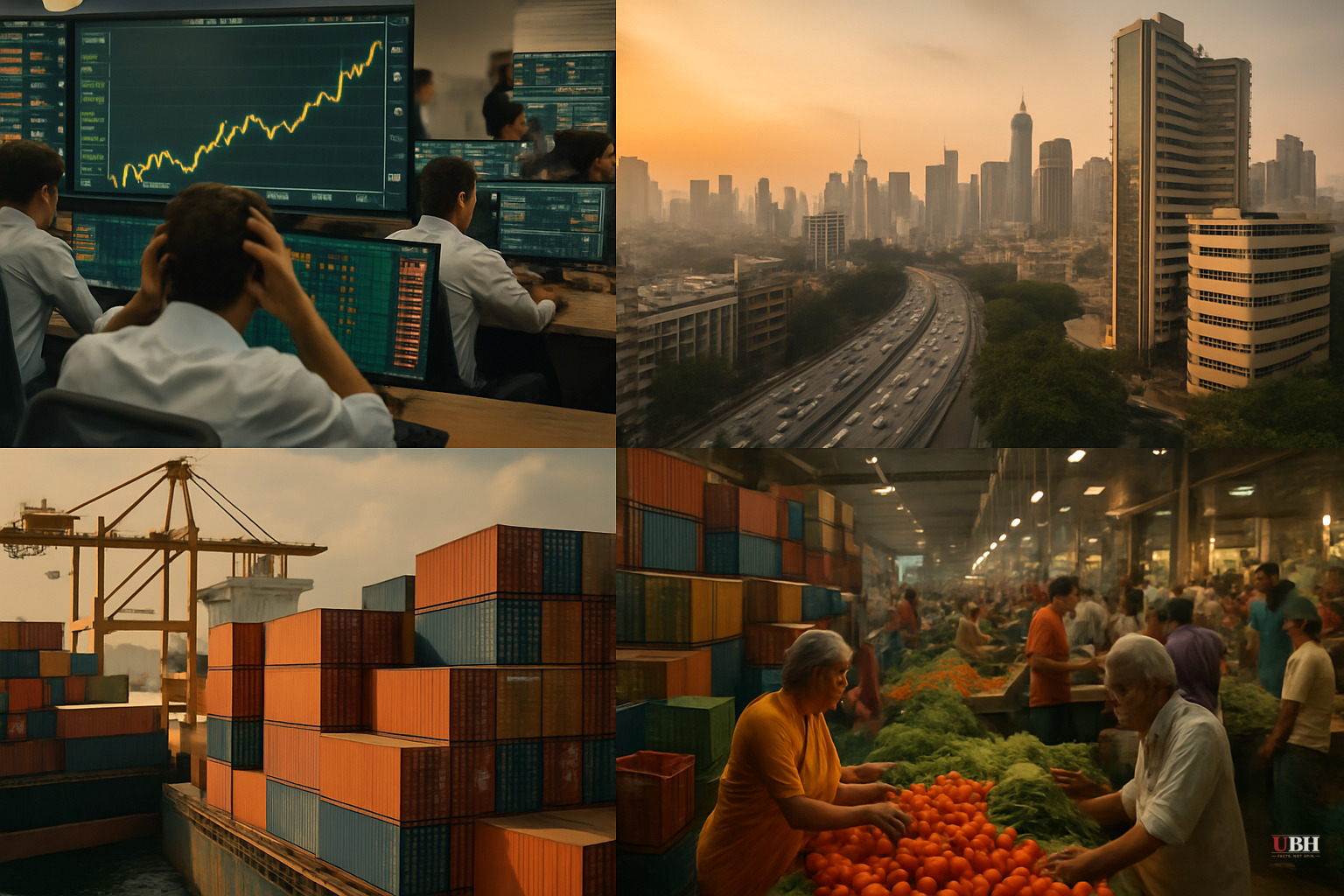
The Number That Matters: 7%
India's 10-year sovereign bond yield has crossed 7%. Higher bond yields mean the Indian government pays more to borrow money. That cost flows through higher interest rates, tighter credit, and slower growth across an economy of 1.4 billion people.
According to Whalesbook, India is preparing to auction 340 billion rupees of new 10-year benchmark bonds, with the coupon rate expected to settle above 7% — the first time that's happened since April 2024. The bonds were already trading at 7.00% in the when-issued market before the auction even closed.
Oil Is the Engine Driving This
The single biggest factor? Crude oil.
Harsimran Sahni, head of treasury at Anand Rathi Global Finance, told Whalesbook directly: if crude oil prices stay between $115 and $120 per barrel, upward pressure on yields will continue. Brent crude was trading around $115.48 per barrel at the time of reporting.
India imports more than 85% of its crude oil. Every dollar spike in oil prices hits the government's import bill, the trade deficit, and inflation.
A separate Whalesbook report noted that retail fuel prices have already jumped more than ₹7 per liter in recent months. Economists revised their Consumer Price Index forecasts for the fiscal year up to 5.0% — higher than previous estimates. That revision changes how aggressive the RBI needs to be in its response.
The RBI Is in a Corner
The Reserve Bank of India shifted its policy stance from "withdrawal of accommodation" to "neutral" in October 2024, signaling flexibility. But flexibility is only useful when you have room to maneuver.
Right now, the RBI has very little.
GDP growth forecasts, according to Whalesbook, currently sit between 6.2% and 6.6%. But if the RBI raises rates to fight inflation, growth takes a hit. If it cuts rates to juice growth, inflation runs hotter.
The rupee is also weakening against the dollar, which makes imports — especially oil — even more expensive in local currency terms. Whalesbook reported that the RBI recently conducted a $5 billion currency swap auction to maintain dollar liquidity and slow the rupee's slide.
What Western Coverage Is Missing
Most mainstream financial coverage from Bloomberg and similar outlets frames India's bond market stress as a "risk" to be "navigated."
The Bloomberg sources for this story were paywalled and provided no usable content — just bot-check screens. Major financial outlets increasingly hide their reporting behind paywalls while the story affects hundreds of millions of people who will never pay for a subscription.
What the mainstream narrative buries: this isn't just a yield curve story for institutional investors. Higher government borrowing costs mean less money for schools, roads, and defense spending — or more debt to fund them. India's fiscal deficit math gets harder every time yields tick up.
The AInvest AI-generated analysis, dated August 2025, offered a different snapshot — the 10-year yield sitting near 6.42% with the repo rate at 5.50% and the RBI projecting CPI inflation at just 3.10% for FY26. That contrasts with the 7%+ yields and 5% CPI projections in the May 2026 Whalesbook reports, reflecting either significant deterioration over that period or different measurement windows.
The Trade Tension Wild Card
AInvest flagged U.S.-India trade tensions that other sources underplayed: Trump's 25% tariffs on Indian imports, combined with India's continued purchase of Russian energy, created friction with Washington that spooked foreign investors and contributed to the rupee hitting record lows near 87.74 against the dollar as of mid-2025.
India is navigating competing pressures — buying cheap Russian oil to control inflation, maintaining ties with the U.S., and keeping foreign capital from fleeing.
What This Means for Regular Indians
Higher bond yields. Weaker rupee. More expensive fuel. Rising CPI. A central bank with limited options.
For the average Indian, this chain of events means higher prices on everything that moves — because transportation costs flow into every product on every shelf. It means tighter credit for small businesses trying to borrow. It means the government has less fiscal room to cut taxes or boost spending when the economy needs it.
India's growth story remains solid compared to most emerging markets. A structural oil dependency, mounting fiscal pressure, and a yield curve at two-year highs present real constraints on policy options.
The RBI's next move will be telling.
Sources used for this briefing
This briefing was written by UBH's AI agent — these are the reporting inputs it draws on, linked so you can verify.


