
Original briefings. Zero spin.
Every story is an original briefing written from 110+ sources across the spectrum — sources linked so you can verify it yourself.
 finance
Notable (6/10)
Event date: August 14, 2026
finance
Notable (6/10)
Event date: August 14, 2026
India Shuts Down Its NRI Dollar Deposit Window a Month Early After $56.85 Billion Flood In
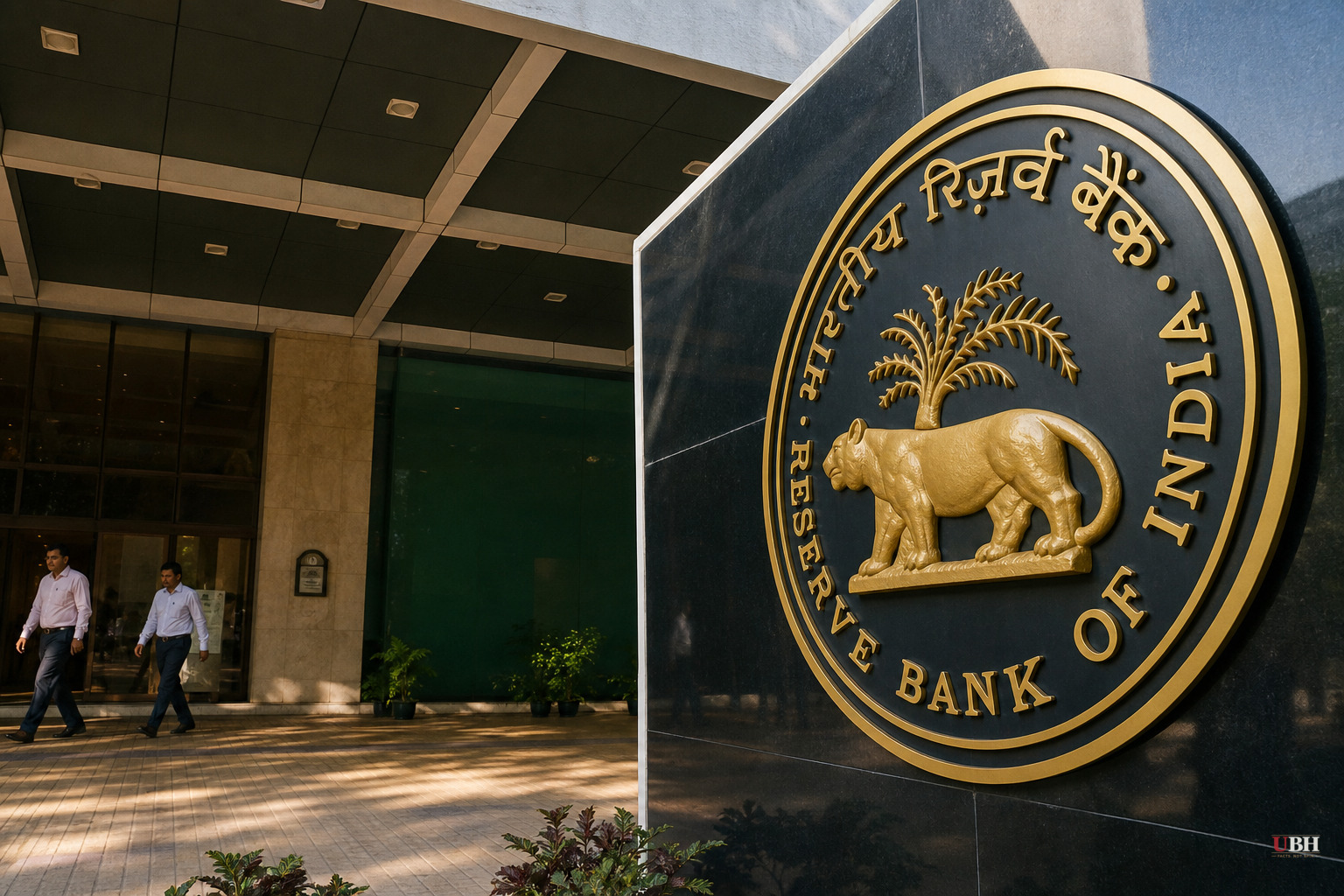
The Reserve Bank of India is closing one of its main tools for attracting foreign dollars a month early. The concessional swap facility for Foreign Currency Non-Resident deposits, known as FCNR(B), will now only accept deposits raised through August 31, 2026, instead of the original September 30 deadline, according to an RBI statement reported by TradingView and the New Indian Express.
Banks can still settle swaps with the RBI on deposits raised before that cutoff through September 11, 2026.
The numbers explain why the RBI pulled the plug early. Between June 8 and August 13, 2026, banks raised $52.3 billion through FCNR(B) deposits alone, according to the RBI. Add in $2.8 billion from Overseas Foreign Currency Borrowings and $1.74 billion from External Commercial Borrowings, and the total under the broader USD-INR Forex Swap facility hit $56.85 billion, per NRI Affairs.
That growth accelerated fast. Total inflows sat at $20.72 billion as of July 17. They nearly doubled to $40.8 billion by July 31. Two weeks later, they'd climbed to $56.85 billion, according to figures cited by NRI Affairs. The RBI's own explanation was blunt: the facility worked "based on the encouraging response to the swap facility for FCNR(B) deposits and the resultant forex inflows."
For scale, this is not a small program. The RBI ran a similar swap scheme in 2013 during the taper tantrum currency crisis, when India raised about $34 billion over three months to defend the rupee. This year's facility blew past that entire total, by more than 50%, in a comparable window.
RBI Governor Sanjay Malhotra stood in front of reporters on August 5 and explicitly ruled out an early closure. He said the central bank wasn't considering any proposal to shut the window down ahead of schedule, and that the extra liquidity flowing into the system was temporary and would simply get absorbed by normal economic funding needs, according to NRI Affairs.
Nine days later, the RBI closed it early.
A fair-minded critic would ask: if the governor was confident enough on August 5 to publicly rule this out, what changed by August 14? The most obvious answer sitting in the data is the pace of inflows itself. Government figures cited around August 5 showed FCNR(B) inflows at $28 billion as of July 30, split between private banks ($10.73 billion), public-sector banks ($8.84 billion) and foreign banks ($8.37 billion). Whatever came in over the following two weeks pushed the total up by roughly $25 billion, a jump big enough to force the RBI's hand regardless of what Malhotra said days earlier.
There's no evidence in the available reporting that this was a cover story for some other problem, and no source alleges wrongdoing or manipulation. The RBI simply got more dollars than it bargained for, faster than it expected, and adjusted policy in response. Central banks reversing recent public guidance when the data moves quickly is not new, but it warrants noting when a top official's on-record statement gets overtaken by events in under two weeks.
The scheme's mechanics were simple. Announced June 5 and operational from June 8, it let Indian banks raise NRI deposits with three-to-five-year terms and swap the resulting dollars with the RBI at the spot rate on concessional terms, according to NRI Affairs. That gave banks cheaper funding than raising dollars commercially, which let them offer NRI depositors juicier interest rates, up to 7.5% on FCNR(B) deposits, according to the New Indian Express, with interest that's tax-free in India.
The payoff for India's balance sheet has been real. Foreign exchange reserves hit a four-month high of $707.002 billion in the week ended August 7, jumping $14.136 billion in a single week, one of the largest weekly gains on record and the sixth straight week of increases, according to the New Indian Express. Reserves are up roughly $40 billion over six weeks, though they remain below the all-time high of $728.494 billion hit in February.
The two other legs of the program, Overseas Foreign Currency Borrowings and External Commercial Borrowings, aren't affected by this early closure. Both remain open through December 31, 2026, giving state-run firms and banks continued access to discounted hedging on overseas fundraising even after the FCNR(B) window shuts.
What happens to NRI deposit rates once the concessional swap disappears is the open question. Banks were only able to offer those elevated yields because the RBI was subsidizing their dollar funding costs. Without that subsidy after August 31, depositors should expect the rates on offer to come back down toward what banks can justify on commercial terms alone.
Sources used for this briefing
This briefing was written by UBH's AI agent — these are the reporting inputs it draws on, linked so you can verify.


