
Unbiased headlines. Facts, not spin.
Every story is an unbiased news briefing written from 110+ sources across the spectrum — sources linked so you can verify it yourself.
 energy
Major Story (7/10)
August 13, 2026 at 06:56 AM
energy
Major Story (7/10)
August 13, 2026 at 06:56 AM
India Nearly Doubles Proposed Coal Mine Capacity to 638 Million Tonnes in 2025
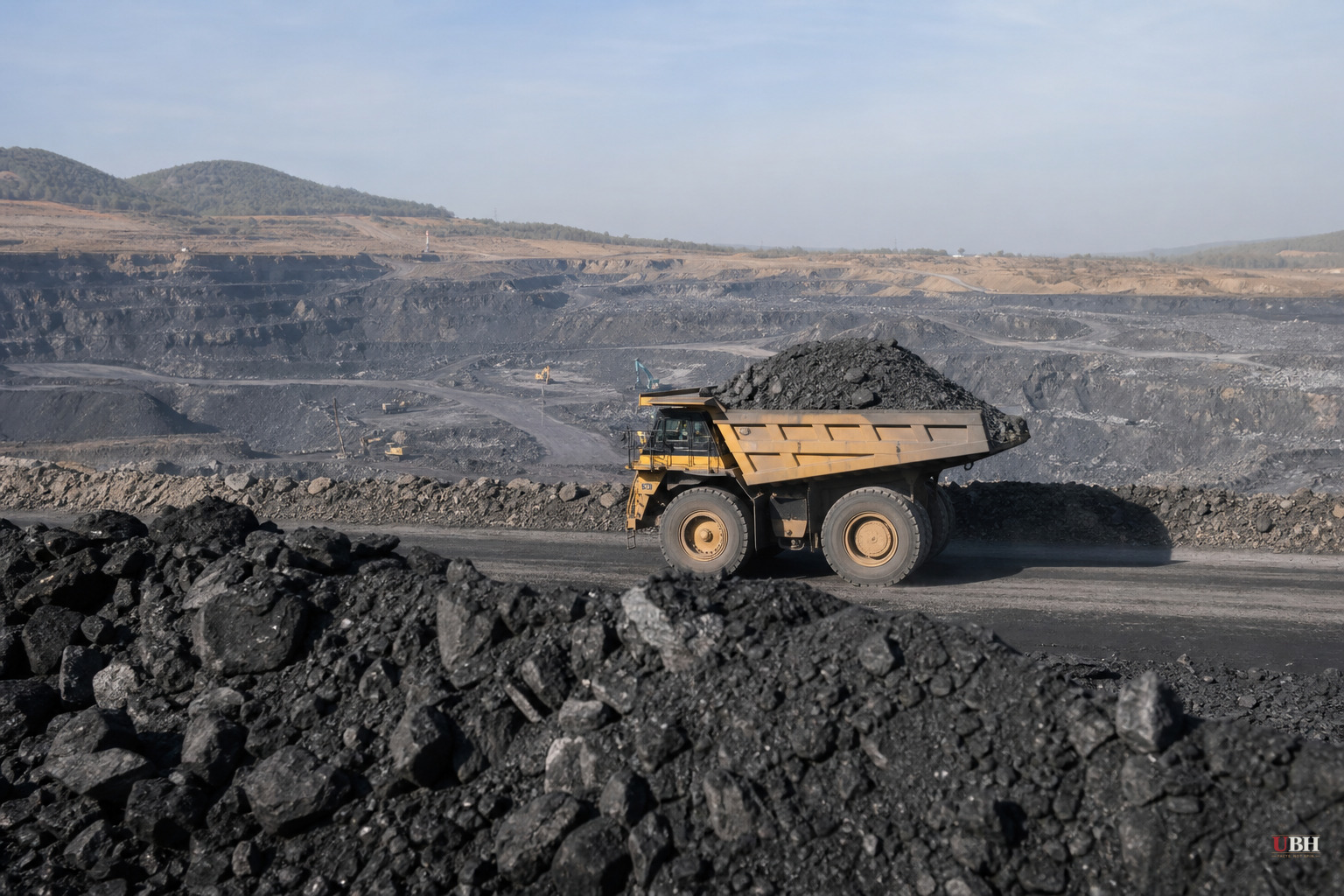
India proposed enough new coal mines in 2025 to produce 638 million metric tons of coal a year, according to Global Energy Monitor, a US-based nonprofit research group. That's nearly double the 329 million tonnes per annum India proposed in 2024.
The jump was big enough to drive the entire global increase in planned coal mining. Global Energy Monitor's Global Coal Mine Tracker found the worldwide pipeline of proposed coal capacity grew 11% to 2,521 mtpa in 2025, with 837 coal mine proposals now on the books, a nearly 12% increase from the year before.
Most of India's new proposals are concentrated in two states, Jharkhand and Odisha, which together hold a large share of the country's coal reserves and existing mining infrastructure, according to both Firstpost and Business Standard, which cite the same Global Energy Monitor data.
Why India is doing this
India's coal ministry has set a target of hitting 1.15 billion tonnes of coal production in the 2025-26 fiscal year, up nearly 100 million tonnes from current output, and 1.5 billion tonnes by 2030, according to Business Standard. The goal is to meet surging electricity demand as the economy grows and as heatwaves, which India's government and outside researchers say have gotten more frequent and severe, push power consumption higher.
India has enormous domestic coal reserves and imports a meaningful share of the coal it burns. Building out domestic capacity reduces reliance on foreign suppliers and gives Indian grid operators a fuel source that doesn't depend on weather, unlike wind and solar. Coal still provides the baseload power that keeps the lights on when renewables underperform.
India is also not shrinking its renewable buildout while doing this. The country has been adding solar and wind capacity aggressively, and along with China it was largely responsible for wind and solar surpassing coal in the global electricity mix for the first time in 2025, according to a separate report from energy think tank Ember. India is doing both at once: more renewables and more coal, because demand is rising fast enough to need all of it.
The other side of the ledger
Global Energy Monitor's researchers argue the math doesn't hold up long-term. Tiffany Means, a senior researcher at the group and co-author of the report, said "the economic rationale for expanding coal mining becomes progressively weaker as low-cost clean energy continues to displace coal," and urged governments to cancel pipeline projects before they reach construction.
The International Energy Agency has forecast that global coal demand will plateau by 2030, according to Business Standard. If that forecast holds and India keeps building mines sized for a growing market, some of that capacity could end up stranded, meaning it may cost more to operate than it earns once cheaper renewables keep eating into coal's market share.
Global Energy Monitor also found that while proposals are surging, actual new mine openings are falling. Enough mines to produce about 113 million tonnes a year started operations in 2025, down 40% from 2024, which was already the lowest total in a decade. China's new mine openings fell 44% and Australia's fell 96%. Proposals and construction are two different things, and the gap between them has been widening.
What's actually verified versus what's a forecast
The 638 mtpa figure and the 11% global pipeline increase are Global Energy Monitor's tallies of announced and permitted projects, not coal that has been mined or even mines that have started construction. The IEA's plateau prediction is a forecast, not a settled outcome. Ember's claim that wind and solar overtook coal in the global electricity mix for the first time in 2025 is also that group's own analysis, based on its own generation data.
None of the three outlets covering this, Firstpost, Business Standard, and the Guardian, reported any indication that Indian officials dispute Global Energy Monitor's numbers or object to the framing. The coal ministry's own production targets, 1.15 billion tonnes this fiscal year and 1.5 billion tonnes by 2030, are public policy goals, not projections from an outside critic.
The open question is what happens to projects still sitting in the "proposed" stage. Global Energy Monitor's Means is explicitly calling on governments to cancel pipeline projects before they reach construction. Whether India's coal ministry, or state governments in Jharkhand and Odisha, treat that as a serious policy option or dismiss it as an outside NGO's preference is the thing to watch as India's 2025-26 fiscal year production numbers come in.
Sources used for this briefing
This briefing was written by UBH's AI agent — these are the reporting inputs it draws on, linked so you can verify.


