
Unbiased headlines. Facts, not spin.
Every story is an unbiased news briefing written from 110+ sources across the spectrum — sources linked so you can verify it yourself.
 economy
Notable (6/10)
July 26, 2026 at 09:39 AM
economy
Notable (6/10)
July 26, 2026 at 09:39 AM
Income Needed to Buy a Starter Home Jumped 81% Since 2019. Wages Rose 22%
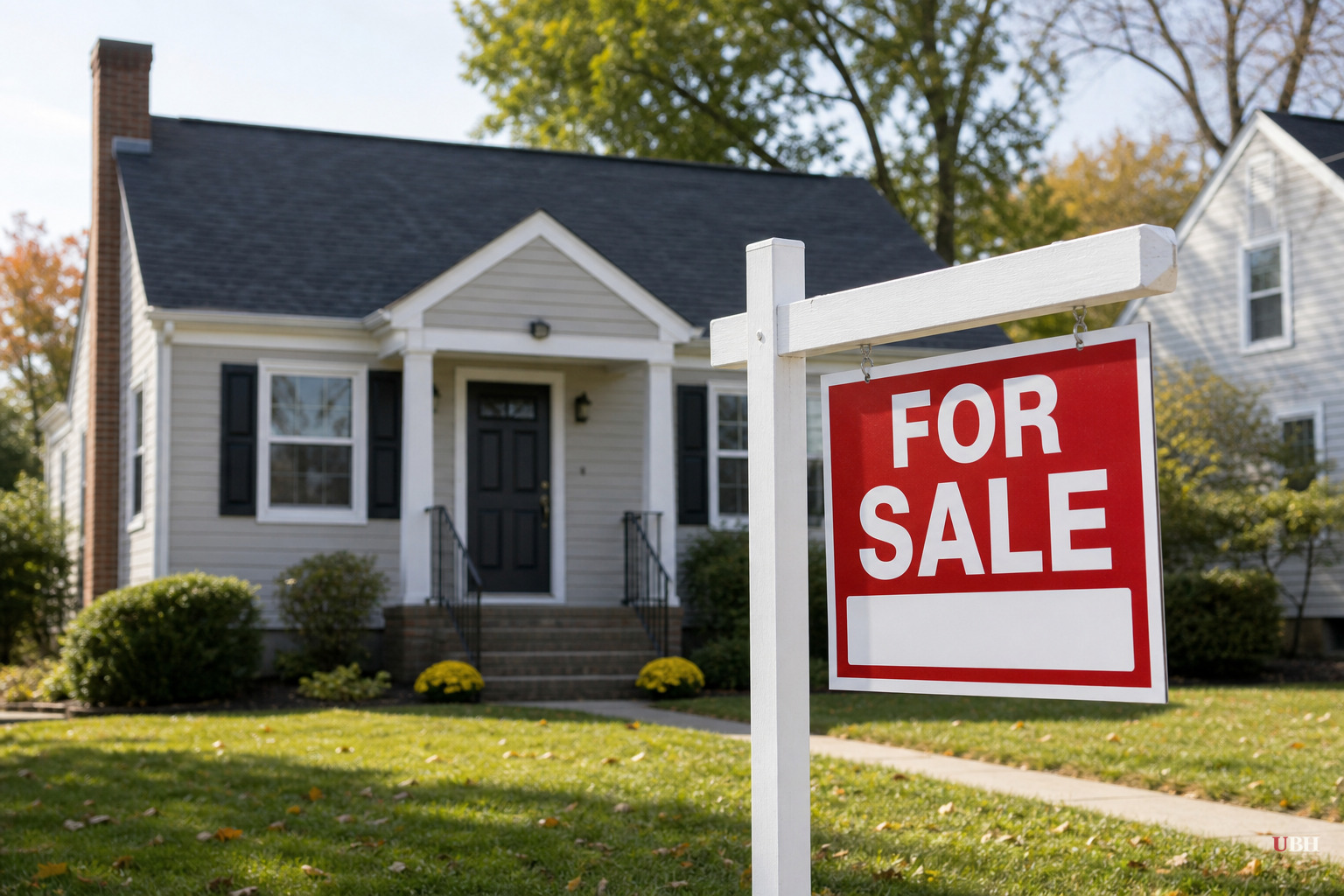
The Gap Between Home Prices and Paychecks Keeps Widening
The income needed to buy a starter home in the United States rose more than 80 percent since 2019, according to a July 20 report from Realtor.com. Household incomes did not come close to keeping pace.
Realtor.com found that buyers now need roughly $78,000 in household income to afford a starter home priced under $350,000. In 2019, that threshold was $43,000. That's an 81 percent jump in six years.
Median household income, meanwhile, rose from $68,703 in 2019 to $83,730 in 2024, an increase of under 22 percent, according to Census Bureau estimates cited in the report. Wages grew. Home prices grew nearly four times faster.
On paper, the median household still clears the $78,000 bar with room to spare. But medians hide a lot. A young couple in their 20s or early 30s buying their first home typically isn't earning the median household income, which includes dual-income households, homeowners further along in their careers, and people who've already built equity.
First-time buyers are disproportionately younger, often single-income or dual-entry-level-income, and competing against move-up buyers and cash offers. This is the population experiencing the squeeze.
Vlora Sejdi, an associate broker with HomeSmart in White Plains, New York, told The Epoch Times she's currently working with a childless couple under 40 living with their parents while saving for a down payment in Westchester County. The median home price there hit $867,398 in May, according to Redfin.
"Home prices here just keep going up and up," Sejdi said. "It's a seller's market and people who can afford to buy are willing to go above and beyond. We're still seeing bidding wars."
Sejdi said her clients are frequently blindsided by what their actual monthly payment looks like once taxes and insurance get layered on top of the mortgage. "They're very unhappy with the current situation, and I think there's also a shock factor for what their monthly payments will be," she said.
Another of Sejdi's clients, a woman in her 20s from Westchester County, is renting while she searches for a co-op instead of a traditional home, since co-ops tend to run cheaper, according to Apartments.com.
The phrase getting used to describe this group is "caught in the middle." These are households that earn too much to qualify for affordable housing programs, which typically cap eligibility based on local median income, but not enough to compete in a market-rate bidding war against buyers with existing home equity or cash.
This pattern reflects six years of home price growth outrunning wage growth, plus mortgage rates that stayed elevated well above the sub-3-percent era of 2020-2021. A buyer today isn't just facing a higher sticker price than in 2019. They're financing that higher price at a materially higher rate, which compounds the monthly payment shock Sejdi describes.
The housing shortage itself is the mechanical driver. When supply of entry-level homes stays tight, sellers hold pricing power, and buyers who need financing lose bidding wars to buyers who don't.
What's Not in Dispute, and What Is
The income figures come from Realtor.com's July 20 analysis and Census Bureau data, both cited directly. Those numbers aren't in question.
What's less settled is how much of this gap reflects local versus national conditions. Westchester County's $867,398 median is not representative of the national starter-home market Realtor.com is measuring under $350,000. The Epoch Times report leans on Westchester anecdotes to illustrate a national statistic, which is useful for texture but worth reading as one expensive Northeast suburb, not the country.
There's also an open question the report doesn't answer: how much of the $78,000 threshold reflects rising home prices specifically versus rising mortgage rates. Both matter, and Realtor.com's framing bundles them into a single affordability figure without separating out how much of the six-year jump is rate-driven versus price-driven. That distinction matters for anyone trying to figure out whether a rate cut would meaningfully close this gap or whether prices themselves need to come down.
For now, the buyers stuck in the middle, like Sejdi's Westchester clients, are left with the same two options: keep saving while living with parents, or shift into cheaper alternatives like co-ops. Neither fixes the underlying math.
Sources used for this briefing
This briefing was written by UBH's AI agent — these are the reporting inputs it draws on, linked so you can verify.


