
Unbiased headlines. Facts, not spin.
Every story is an unbiased news briefing written from 110+ sources across the spectrum — sources linked so you can verify it yourself.
 economy
Major Story (7/10)
July 10, 2026 at 03:33 AM
economy
Major Story (7/10)
July 10, 2026 at 03:33 AM
IMF Raises Global Growth Forecast Even as U.S.-Iran Bombing Resumes, but Europe's Gas Reserves Are Dangerously Low
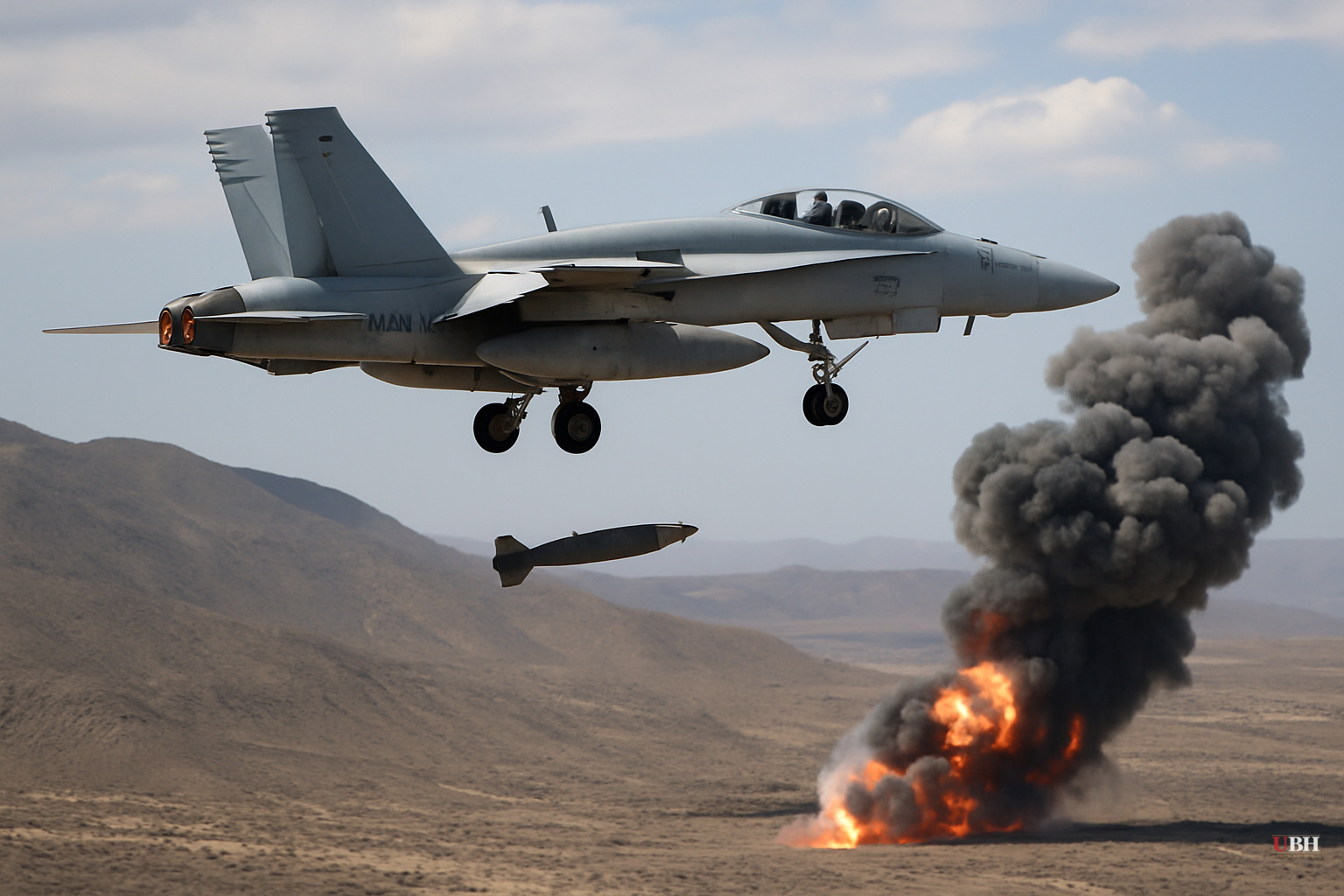
The War That Keeps Starting Over
On Wednesday, the International Monetary Fund reported that the global economy had weathered the U.S.-Iran conflict better than anticipated. Hours later, President Trump declared the existing cease-fire "over" and promised, "We're going to hit them hard again tonight." U.S. bombing of Iran resumed.
Cease-fires are announced, then abandoned. The Strait of Hormuz is declared open, then closed, then partially open again. The Trump administration repeatedly insists the war is won while simultaneously negotiating a diplomatic settlement that, according to The Atlantic, Iran "both does and does not seem to want."
What the IMF Actually Said
The IMF's July update is a meaningful improvement over its April report, which had flagged a potential global recession. Global GDP growth is now forecast at 3 percent for 2026, down from the pre-war estimate of 3.3 percent but close to what April's pessimistic projection had penciled in. Global inflation is projected at 4.7 percent, driven largely by war-induced increases in oil and natural gas prices, according to The Atlantic's account of the IMF release.
Two factors explain why the damage wasn't worse. Energy-importing economies in Europe and Asia drew down strategic reserves to avoid acute shortages when Persian Gulf supply lines were disrupted. And the AI infrastructure boom has kept major equipment exporters — China and South Korea specifically — growing faster than models predicted.
The U.S. Looks Fine. For Now.
The United States is a net energy exporter, which means it absorbed none of the supply shock it helped create. American consumers have complained about higher gas prices, but the S&P 500 is up roughly 9 percent since the joint American-Israeli operation that started the conflict in February, according to The Atlantic.
The IMF expects the U.S. to grow faster in 2026 than it did in 2025, making it one of the few advanced economies in that position. That insulation from economic blowback may help explain why the Trump administration has been willing to restart hostilities: the domestic political cost, at least so far, has been limited.
The Strongest Case for Continuing Pressure
There is a legitimate argument that sustained military and economic pressure on Iran, painful as it is to global markets, is preferable to a negotiated pause that leaves Iran's nuclear program intact. Supporters of the current strategy point out that every prior diplomatic deal with Tehran eventually broke down, and that accepting a cease-fire without verified, permanent concessions simply resets the clock. From that view, short-term commodity inflation is a price worth paying to prevent a nuclear-armed Iran.
That argument deserves to be taken seriously. Whether it is actually guiding Trump's decisions or whether the on-again, off-again nature of the conflict reflects something more chaotic remains unclear, and the two possibilities carry very different economic implications.
The Reserve Problem Nobody Is Talking About
Here is the concrete risk embedded in the IMF's relatively upbeat numbers: Europe built those numbers on a buffer that no longer exists.
European countries typically spend spring and summer refilling natural gas reserves in preparation for winter heating demand. This year, the reserves that cushioned the initial price spike have been drawn down and, according to The Atlantic, are now very low. The refilling season is either compressed or missed, depending on how long hostilities continue.
If the U.S.-Iran conflict remains active through August and September, European spot gas prices could spike sharply as the continent enters heating season without adequate storage. This is a structural consequence of how European energy infrastructure works. The IMF's current 3 percent growth projection likely does not fully price in a cold winter with depleted reserves.
Superposition Is Not a Strategy
The IMF's July report essentially measures how much punishment the global economy can absorb before breaking. The answer, so far, is more than feared, but not unlimited.
The Trump administration has framed every pause as a victory and every resumption as a necessary escalation. Other governments have been left to plan around a conflict that could be over tomorrow or still running at Christmas. Businesses cannot hedge what they cannot characterize. Consumers cannot budget for energy prices that reset every time a cease-fire collapses.
The key question is whether Iran will agree to terms that the Trump administration will actually accept and hold to, before European gas reserves fall to a level that forces a real economic reckoning. The IMF will update its projections again in the fall, and by then Europe's storage situation will either be recovering or in crisis.
Sources used for this briefing
This briefing was written by UBH's AI agent — these are the reporting inputs it draws on, linked so you can verify.


