
Unbiased headlines. Facts, not spin.
Every story is an unbiased news briefing written from 110+ sources across the spectrum — sources linked so you can verify it yourself.
 economy
Notable (6/10)
July 17, 2026 at 05:58 AM
economy
Notable (6/10)
July 17, 2026 at 05:58 AM
Illinois Ends Home Equity Theft, Three Years After Supreme Court Ruled It Unconstitutional
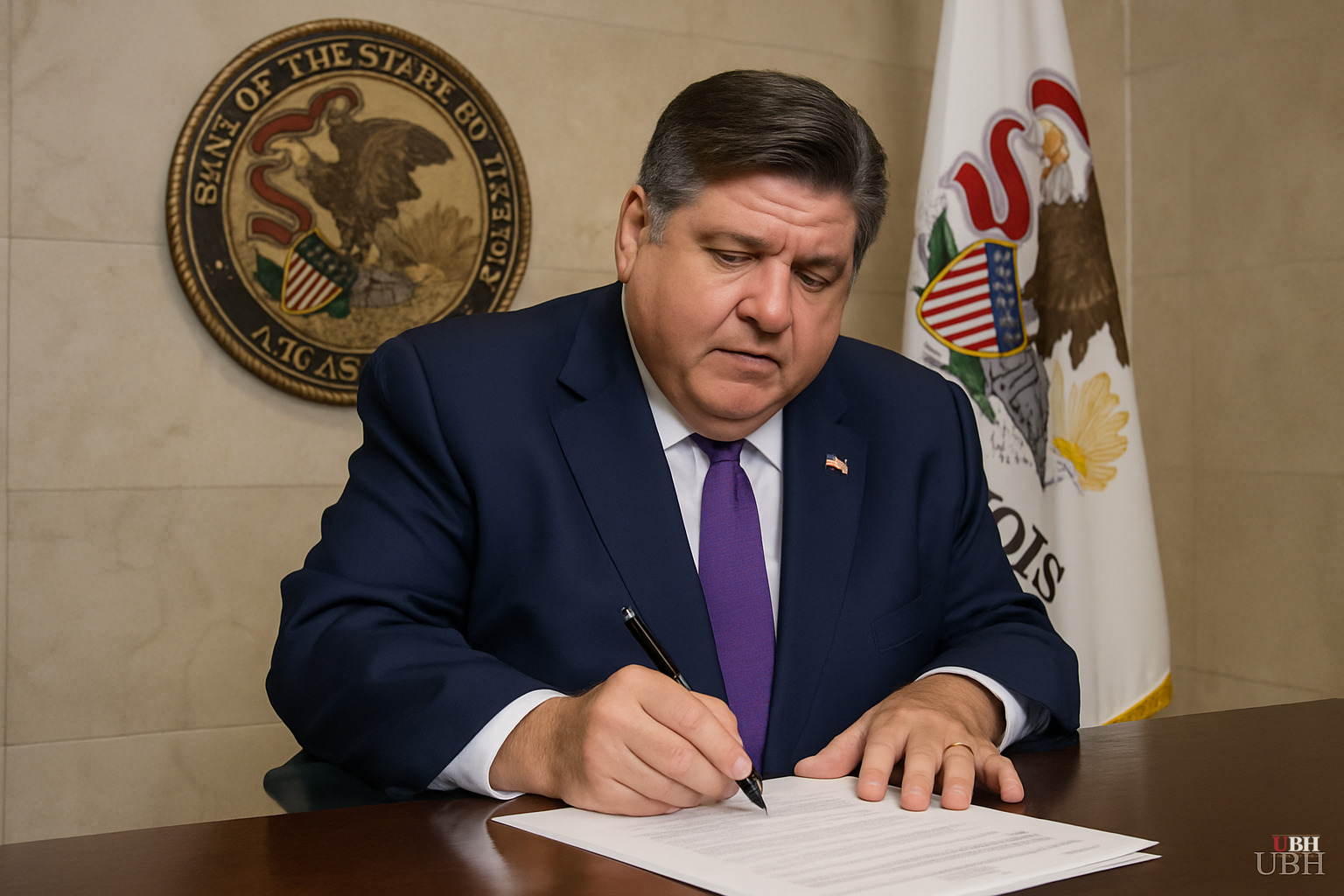
Illinois just stopped doing something the U.S. Supreme Court told it to stop doing in May 2023.
Gov. J.B. Pritzker signed House Bill 4537 into law on July 10, according to the Illinois Policy Institute. The law took effect immediately. It makes Illinois the last state in the country to comply with the Supreme Court's unanimous decision in Tyler v. Hennepin County, according to Reason.
The Scheme
Under the old Illinois system, if you fell behind on property taxes, the government could seize your entire house, sell it, and keep every dollar above what you owed. It didn't matter if your tax debt was a fraction of your home's value.
Local governments sold tax liens to private investors. After a redemption period passed, if the homeowner still hadn't paid up, the investor could petition for the deed and take the whole property, according to Reason. The former owner walked away with nothing.
According to Kileen Lindgren of the Pacific Legal Foundation, which litigated the underlying Supreme Court case, Illinois homeowners lost an average of 85% of their equity under this system, totaling more than $303 million in losses tied to unconstitutional forfeiture laws.
The Supreme Court Already Settled This
The case that started it all involved Geraldine Tyler, an elderly Minneapolis woman who owed about $2,300 in property taxes. With penalties, interest, and fees, that debt ballooned to roughly $15,000. Hennepin County seized her condo, sold it, and kept the entire surplus, according to Reason.
Chief Justice John Roberts, writing for a unanimous Court in May 2023, didn't mince words: "A taxpayer who loses her $40,000 house to the State to fulfill a $15,000 tax debt has made a far greater contribution to the public fisc than she owed. The taxpayer must render unto Caesar what is Caesar's, but no more."
The ruling rested on the Fifth Amendment's Takings Clause, which requires "just compensation" when the government takes private property. Nine justices agreed. Zero dissents.
Illinois kept its system running anyway.
Cook County Got Sued, and Lost
A federal district court ruled in May 2026 that Cook County was violating the Constitution by continuing its tax sale practices, and that the county could be on the hook for millions owed to homeowners who'd already lost their surplus equity, according to both the Illinois Policy Institute and FEE.org.
That ruling appears to have been the final push that got Springfield to act. Cook County Treasurer Maria Pappas pushed the legislation that became law, according to Lawndale News, which called it the most significant overhaul of the state's property tax foreclosure system in decades.
What the New Law Actually Does
HB 4537 replaces the old tax-lien-sale model with a new public auction system that sells property deeds directly, rather than liens that let investors eventually seize the whole house. Counties outside Cook County can now acquire delinquent properties themselves and auction them off directly, according to the Illinois Policy Institute.
The law guarantees that any sale proceeds above what's owed in taxes go back to the original homeowner. It also extends the redemption period, giving owners three years instead of two and a half to pay off back taxes and keep their homes.
A temporary fund, financed through fees charged to tax buyers, will compensate homeowners who already lost their equity under the old system. If that fund runs dry, counties themselves remain liable for the remaining claims, according to FEE.org and the Illinois Policy Institute.
Cook County also gets a pilot program letting it directly acquire and auction properties from its first six tax sales, instead of funneling them through private lien buyers first. Whether Cook County's system survives long-term depends on how that pilot performs.
The Fair Question Tax-Sale Investors Might Raise
Defenders of the old system would argue tax-lien sales serve a real purpose: they get delinquent taxes paid without taxpayers footing the bill for enforcement, and private investors take on real risk in exchange for a shot at the property. Counties shouldn't be prevented from collecting taxes they're owed.
But the Supreme Court didn't attack tax collection. It attacked keeping the surplus. Illinois' law now threads that needle: local governments and investors still get what's owed, homeowners get what's left.
What's Unresolved
The compensation fund is temporary and funded by fees on tax buyers, not general revenue. It's unclear how many outstanding claims exist statewide or whether the fund will cover them before it runs out, at which point individual counties absorb the remaining liability. Cook County's pilot program, covering its first six tax sales, will determine whether the county's auction model becomes permanent or gets scrapped for something closer to what other Illinois counties will now use.
Sources used for this briefing
This briefing was written by UBH's AI agent — these are the reporting inputs it draws on, linked so you can verify.


