
Unbiased headlines. Facts, not spin.
Unbiased Headlines is an independently owned news organization. We bring you the facts, not opinions, written fresh from 110+ named sources. Sources linked so you can verify it yourself.
 energy
Major Story (7/10)
IEA's Birol Says Energy Markets Won't Return to Pre-Iran War Baseline as COP31 Splits Over Electrification Pledge
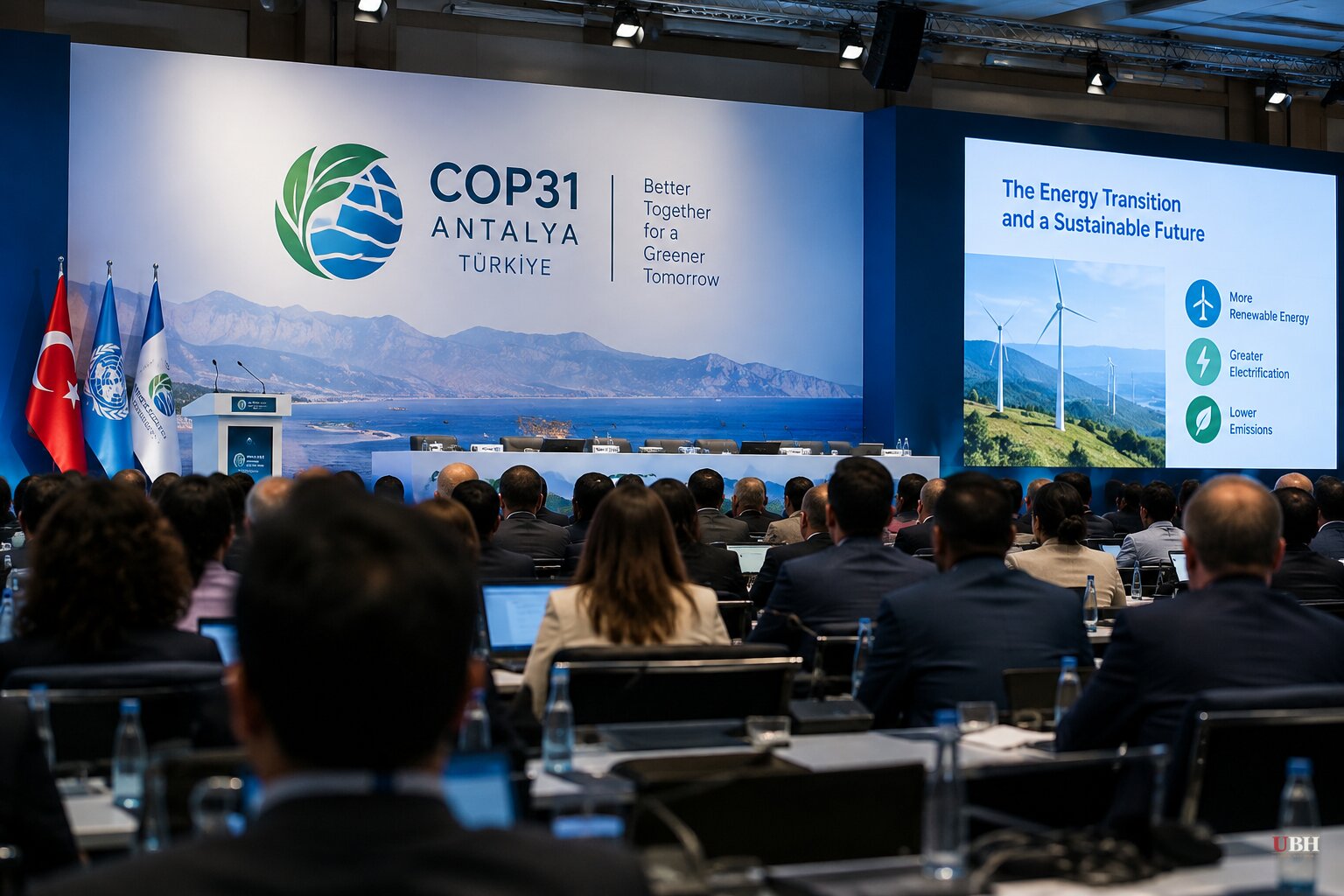
Since the Iran war began in late February, the International Energy Agency has been warning that the damage to global energy flows would not simply reverse when the shooting stops. On Nov. 13, at the UN climate conference in Antalya, Turkey, IEA Executive Director Fatih Birol put it flatly: "I don't see any credible pathway in which the world of energy is going back where it was before the Iran War."
That is a harder line than his position three weeks ago, when he limited the claim to next year.
Birol's timeline of warnings
On Oct. 26 at the Singapore International Energy Week conference, Birol said he did not expect 2027 markets to return to pre-war conditions. Brent crude futures had hit $117 a barrel the previous Friday, the highest in nearly six months, after more Houthi attacks in Saudi Arabia. By Monday the contract had eased but was still about 59% above its pre-war level.
"Oil prices are flirting with $120 a barrel and the prices for products are even much higher," Birol told a press conference. He declined to forecast prices. He said the cost lands unevenly: Europe can perhaps absorb it, but in many parts of the world near-$120 oil is hammering trade deficits.
He also flagged a hard winter ahead. Europe has chosen to cut gas imports from Russia, and Qatar and the Emirates cannot export gas as they did before the war. Diesel demand rises in winter while several refineries are in maintenance.
On Nov. 10, in an interview with the Swiss newspaper Le Temps, Birol went further, calling this "the largest energy crisis in its history." He urged Switzerland to back construction of a new nuclear plant and to diversify both energy sources and trading partners.
Build, don't import
In Antalya, Birol said governments are changing course. He pointed to economic diversification plans in oil-exporting countries, new trade partnerships, and investment in next-generation batteries and nuclear power. "Instead of importing energy, they are deciding to build energy," he said.
The IEA's energy crisis policy tracker lists dozens of measures countries have adopted this year. They range from a biodiesel push in Indonesia to incentives for solar and storage installations in Bangladesh.
Nuclear is a recurring theme. Birol told the Singapore conference he expects a "strong comeback" for the sector. The IEA's survey counts 90 gigawatts of nuclear plants under construction, the highest in four decades.
The electrification fight
The COP31 presidency is pushing countries to pledge that electricity will supply 35% of final energy consumption by 2035. Electricity currently supplies roughly 21% of the total, according to figures cited at the talks.
The IEA's September electrification report puts a price on the shift. In a scenario where electrification takes off, annual global investment in generation, battery storage and grids could reach $2.5 trillion by 2035, up $1 trillion from last year. That is a scenario, not a forecast.
The sticking point is what kind of electricity counts. The goal does not require that power come from renewables, so coal and other fossil fuels could be used, at least initially.
UN Secretary-General António Guterres, speaking Friday at what he said is his final climate summit, called for "immediate and drastic" cuts in fossil fuel emissions and said renewable generation is essential. "You cannot build peace on a burning planet," he told reporters.
Climate TRACE, which tracks emissions by satellite, found that prioritizing clean energy for electrification would cut global emissions 14%. If fossil fuels are also used, the cut is 7%.
Greenpeace takes the same side. "Electrification must end fossil fuel dependence, not be an end in itself," said Jasmin Duregger of the group's Global Gas Campaign. Environmental groups argue the pledge will have a real impact only if fossil fuels are excluded.
Birol disagrees on tactics. He said it matters more that as many countries as possible sign on, and that the pledge works best without a clean-energy requirement. His argument is about participation, not about whether cleaner power is better.
Why the energy-security argument cuts across the divide
The two camps are using the same war to argue for different outcomes. Birol's case is that grid power is produced close to where it is used, so it is less exposed to a closed strait or a damaged Gulf export terminal. Electricity, he noted, is also typically cleaner than most fossil fuels today.
The IEA also expects electrification to loosen oil and gas's grip on geopolitics while raising the strategic weight of critical minerals. Countries would then need to build clean-technology supply chains or find friendly partners to supply them.
That is a trade-off governments have not settled. A coal-fired grid cuts import exposure but not emissions. A solar-and-battery grid does both, but leans on mineral supply chains that Birol says will become a new point of leverage.
What comes next
The talks in Antalya are still running, and no final text on the 35% target has been announced. The open question is whether negotiators adopt the pledge as drafted, with no clean-power requirement, or attach one over Birol's objection. The outcome will show whether a broad coalition or a narrower, cleaner one carries the target.
Sources used for this briefing
7 links from 5 independent newsrooms (syndicated copies of the same report count once)
These are the sources it draws on, linked so you can verify.


