
Unbiased headlines. Facts, not spin.
Unbiased Headlines is an independently owned news organization. We bring you the facts, not opinions, written fresh from 110+ named sources. Sources linked so you can verify it yourself.
 energy
Major Story (8/10)
Diesel Still 77% Above Pre-War Levels as Crude Falls Under IEA Surplus Forecast
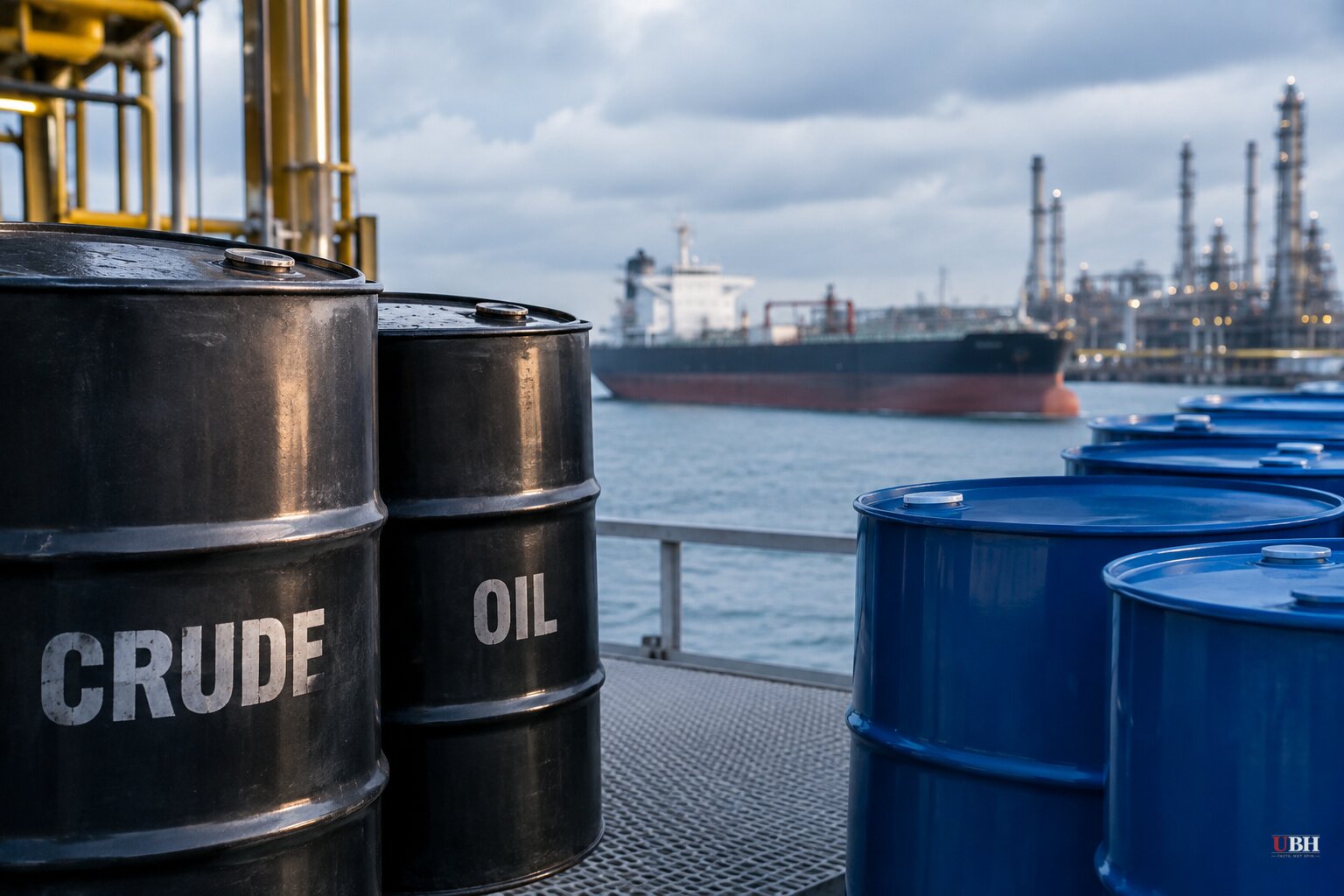
Cheaper crude has not reached the diesel pump. In its Nov. 13 Oil Market Report, the International Energy Agency said European diesel prices fell 11% from their early-October high but still sit near $180 a barrel, 77% above pre-war levels.
Crude has done far better. North Sea Dated fell 32%, from $136 a barrel in early October to about $93 when the report was written. That is still $22 above where it stood before the Iran war.
Why diesel is lagging
The IEA called tight product supply, especially diesel, "the overriding concern of the broader market and consumers."
Two things are keeping it tight. Iran has struck refineries in neighboring Gulf countries it accuses of aiding U.S. attacks. Ukrainian strikes on Russian refineries and other energy installations are also cutting diesel supply to the world market.
More crude on tankers does nothing for a country short of refined fuel. Refiners have to rebuild output before barrels of oil turn into barrels of diesel.
Emergency stocks fill the gap
IEA member countries are speeding up the release of emergency stockpiles pledged earlier this year. The agency said an additional 71 million barrels will reach the market by the end of February, and that the accelerated release of emergency diesel will bridge the supply gap until refineries recover.
Those reserves are held in refineries, oil terminals, power stations and offshore fields in the North Sea. They have already been drawn down by the war.
On-land inventories show how thin the cushion is. They fell again in October and remain at their lowest level since at least 2016. OECD total inventories dropped 47 million barrels in the month, and global inventories are down a cumulative 462 million barrels since the war began.
The headline inventory number rose only because of oil at sea. Oil on water climbed 86 million barrels to its highest level since January as Gulf exports accelerated. Observed global stocks rose 52 million barrels in October, the first monthly increase since June.
Crude prices have already moved
The IEA forecasts fourth-quarter supply at about 105 million barrels a day, 1.7 million above demand. That reverses its earlier call for a deficit. October supply rose 2.3 million barrels a day to 105.4 million, after a 3 million increase in September.
Markets moved before the report landed. West Texas Intermediate has lost nearly 15% over two straight weekly declines, and Brent is down almost 19% from two weeks ago, according to MarketWatch. Brent fell to $89.66 earlier this week, its lowest since late August, after President Donald Trump told reporters the war with Iran was "effectively over." It was about $95 on Friday.
Brent traded around $72 in February before the war and reached $126 by the end of April.
The surplus depends on flows holding
Rebecca Babin, a senior energy trader and managing director at CIBC Private Wealth, said the balance looks better on paper but the market is not normal. "This is still a market that is operating with significant inefficiencies, elevated risks and very little room for error," she told MarketWatch.
Much of the projected surplus rests on OPEC flows normalizing, Babin said, which is "far from certain in an on-again, off-again war-and-peace environment." Getting oil through the Strait of Hormuz now involves "more vessels, ship-to-ship transfers, higher transportation costs and persistent security threats," she said. "Consistent flows don't necessarily mean free flows."
The numbers back her on how far recovery has to go. Gulf exports, excluding Oman, reached 18.4 million barrels a day in October, still 26% below pre-war levels. Crude flows were 15 million barrels a day, or 82% of pre-war. Attacks on tankers trying to transit Hormuz have continued, and the IEA warned that attacks on shipping threaten the recovery.
The diplomatic picture is unsettled. Trump has said the U.S. does not need a deal with Iran and has signaled he does not want the military back in major combat in the region, according to the Wall Street Journal. Separately, reports emerged this week that senior Iranian officials believe the U.S. could be planning further strikes.
Demand is shrinking
Part of the surplus comes from weaker consumption, not just stronger supply. The IEA expects world oil demand to fall 2.7 million barrels a day in 2026 to 102.3 million. It attributes that to prices well above pre-war levels, electrification and fuel-efficiency gains across the global car fleet.
For 2027, the agency projects demand will rebound by 2 million barrels a day and supply by 6.6 million to 108.1 million, with a larger surplus. Its 2027 glut estimate is near 3.8 million barrels a day, down from 3.94 million projected last month, after the outlook was cut for constrained Iranian shipments.
The next test is the emergency release. The 71 million barrels are due before March, and whether diesel prices ease before then depends on refinery repairs and whether tankers keep getting through Hormuz.
The IEA has not said when European diesel is likely to return toward pre-war levels.
Sources used for this briefing
7 links from 7 independent newsrooms (syndicated copies of the same report count once)
These are the sources it draws on, linked so you can verify.


