
Unbiased headlines. Facts, not spin.
Every story is an unbiased news briefing written from 110+ sources across the spectrum — sources linked so you can verify it yourself.
 energy
Major Story (8/10)
July 7, 2026 at 02:34 PM
energy
Major Story (8/10)
July 7, 2026 at 02:34 PM
IEA Forecasts First Global Gas Demand Drop Since 2022, Blaming Iran War Price Shock
Iran War Reshaped Global Gas Markets in Six Months
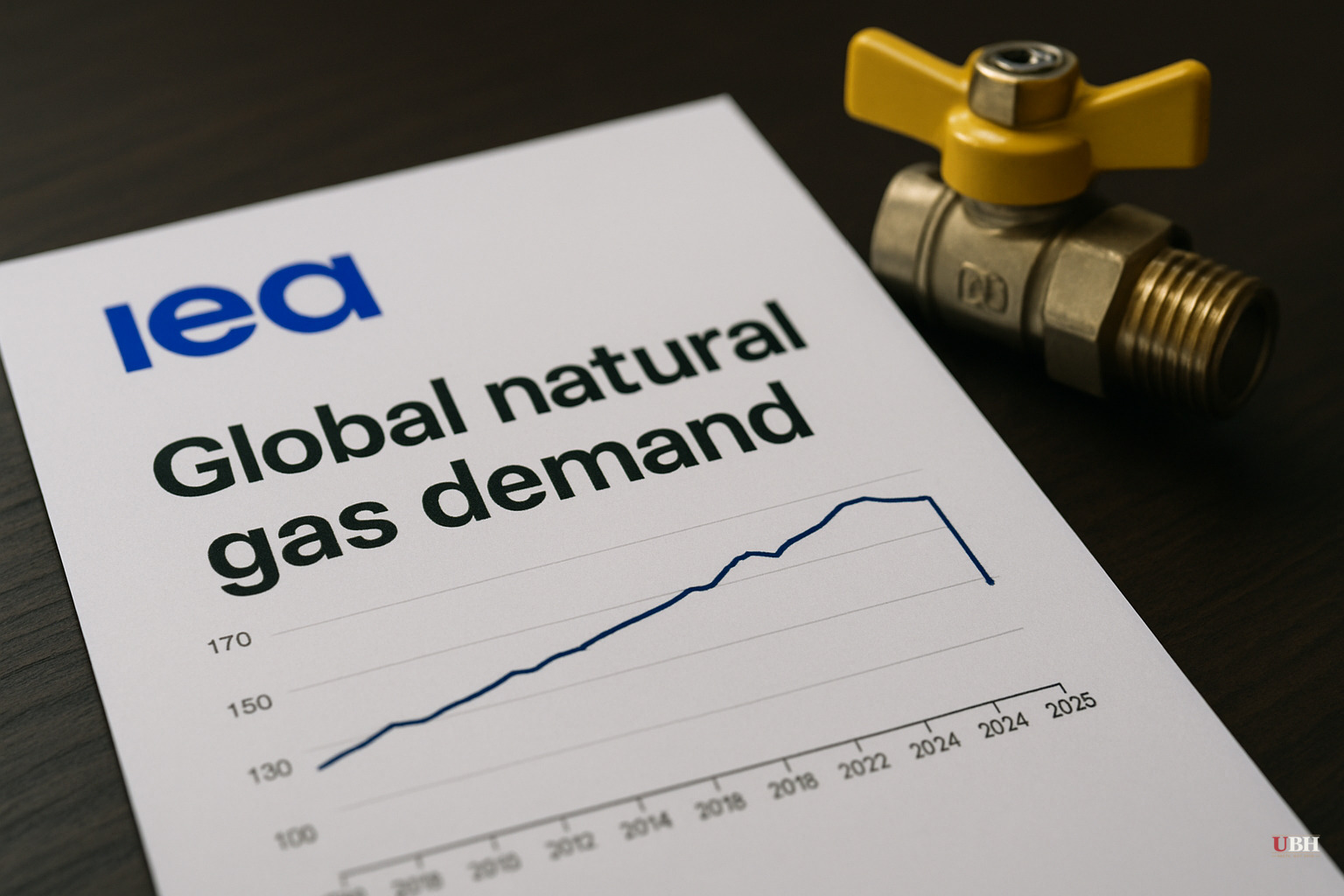
The International Energy Agency published its quarterly gas market report on Tuesday, July 7, projecting a 0.5% decline in global gas demand for 2026. That would be the first annual drop since the post-Ukraine energy crisis of 2022.
The driver is straightforward: the Middle East conflict effectively removed about a fifth of global LNG supply from the market. Key gas price benchmarks in Europe and Asia have risen between 40% and 70% since the war began, according to the IEA report as cited by Bloomberg.
Demand Destruction Is Spreading
Asia absorbed the biggest hit in the first half of 2026. Consumers in India, Bangladesh, and Vietnam, all countries that had planned to expand gas imports, have been forced to reduce usage or pivot to alternative fuels. Europe also saw stronger-than-expected renewable energy output, which took additional pressure off gas demand.
Lower gas consumption in the Middle East itself contributed to the overall demand picture. The IEA projects global demand falls even as consumption rises in some regions, meaning the declines in Asia, Europe, and the Middle East are large enough to outweigh gains elsewhere.
The Strait of Hormuz: Improved but Not Resolved
Shipping traffic through the Strait of Hormuz improved after the United States and Iran struck an interim peace deal last month. Gulf LNG exports had been the backbone of global supply, and partial restoration of that flow has taken some pressure off markets.
But the IEA is not declaring the crisis over. Fresh attacks on shipping in and around the strait have continued to test the truce. The agency notes there is still little clarity over a lasting mechanism to manage the chokepoint. The peace deal reduced the acute emergency. It has not produced a durable framework.
U.S. LNG Stepped Up, but Not Enough
Strong growth in new LNG supply, including from the United States, partially offset the loss of Gulf deliveries through June. American LNG export capacity has been absorbing demand that Middle Eastern producers cannot currently fill.
Still, the IEA warns that any delays in the recovery of Middle Eastern exports could push the global market into the first annual decline in LNG supply since 2012. If the Hormuz situation stabilizes on schedule, overall LNG supply should hold roughly flat for 2026, compared with what had previously been expected growth. Flat is a significant downgrade from those earlier projections.
The Strongest Counter-Argument
A reasonable objection to the IEA's framing is that demand destruction driven by high prices is not the same as structural decline. If the Hormuz situation resolves fully and prices retreat, suppressed demand in Asia could bounce back sharply, and countries like India and Bangladesh that shelved expansion plans might accelerate them once LNG becomes affordable again. The IEA itself acknowledges consumption is rising in some regions. Critics of peak-gas narratives argue the story here is a temporary war-driven shock, not a secular turn away from gas.
This objection holds some validity. But the IEA's point is about 2026 specifically, not a long-term forecast, and the numbers for the first half are already baked in. Even if demand rebounds in the second half, it would need to recover substantially to offset the losses already recorded.
What Importers Are Now Doing
The IEA report flags a more lasting consequence: importers in India, Bangladesh, and Vietnam are rethinking their longer-term gas strategies. Price spikes of 40% to 70% force procurement officers and energy ministers to revisit contracts, infrastructure investments, and fuel-mix plans. Some of that rethinking will outlast the war itself, regardless of when Hormuz fully reopens.
"A prolonged supply shock would continue to progressively tighten the global LNG balance, heightening competition for cargoes and extending the prospect of weaker imports across both the Atlantic and Pacific basins," the IEA said in its report.
The Open Question
The critical variable the market is now watching is the pace of Middle Eastern export recovery. The IEA's relatively benign scenario, LNG supply holding flat rather than declining, depends on that recovery happening without further disruption. Given that fresh attacks on Hormuz shipping have already tested the interim truce, the IEA's own language acknowledges that scenario is not guaranteed. Whether the U.S.-Iran deal holds long enough for Gulf producers to restore a meaningful share of their pre-war export volumes is the question on which 2026 global energy balances now hinge.
Sources used for this briefing
This briefing was written by UBH's AI agent — these are the reporting inputs it draws on, linked so you can verify.


