
Unbiased headlines. Facts, not spin.
Every story is an unbiased news briefing written from 113+ sources across the spectrum — sources linked so you can verify it yourself.
 energy
Notable (6/10)
September 23, 2026 at 06:12 PM
energy
Notable (6/10)
September 23, 2026 at 06:12 PM
Hurricane Polo Weakens to Category 4, Still Set to Send Dangerous Surf to Southern California by Friday
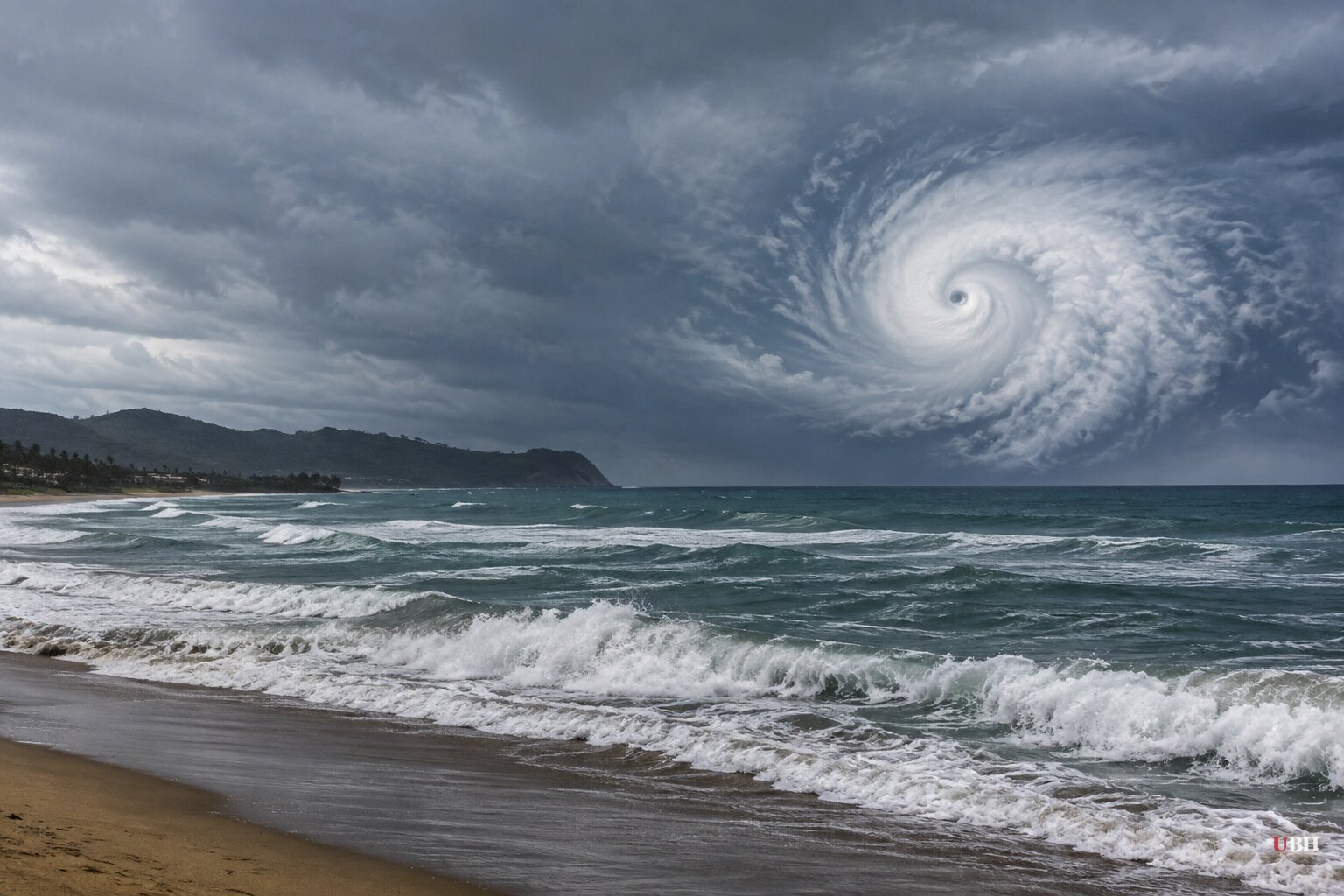
Since forming as a tropical storm off Mexico's southwestern coast on September 20 and exploding into the season's third Category 5 hurricane by Tuesday, September 22, Polo has eased back to Category 4 strength, according to the U.S. National Hurricane Center. As of Wednesday morning, Polo was packing maximum sustained winds of 150 mph, parked about 165 miles south of Zihuatanejo and 320 miles southeast of Manzanillo, moving slowly north.
The NHC called Polo an "extremely dangerous" storm and said it expects the system to turn sharply northwest, then track west-northwest over the next several days while staying offshore. "Fluctuations in intensity are expected, but Polo is expected to remain a very powerful major hurricane during the next few days," the center said, in language carried by the Associated Press and republished by NBC News, PBS, CBC and the Los Angeles Times.
Mexican President Claudia Sheinbaum said her government's experts don't expect Polo to make landfall. That's a relief, but not a green light to relax. Hurricane-force winds extend up to 40 miles from Polo's center and tropical storm-force winds reach out 105 miles, per the NHC. Tropical storm conditions were forecast for Guerrero, Michoacán and Colima states Wednesday into Thursday, with heavy rain raising flood and mudslide risk. Mexico's navy has shut down ports in Guerrero and Michoacán, and authorities suspended classes in parts of the region Tuesday.
Odalys Joins the Party
A second system, Odalys, strengthened from a tropical storm to a Category 1 hurricane on Wednesday. It's roughly 1,295 miles off the southern tip of Baja California, moving east-northeast at 9 mph with 75 mph winds, according to the NHC. Unlike Polo, Odalys poses no threat to land.
The California Angle
CBS News reports the National Weather Service expects Polo, combined with Odalys and a separate disturbance southeast of Hawaii, to generate "southerly swells" hitting the Southern California coast as early as Friday, continuing into the weekend and possibly into early next week. The NWS is watching for coastal flooding and erosion.
Earlier this month, remnants of Hurricane Marie already battered beachfront property in Dana Point, Long Beach and Malibu badly enough that officials red- and yellow-tagged several homes as unsafe, per CBS News. Polo's swells arrive on top of ground that's already been chewed up.
Kristen Corbosiero, a professor of atmospheric and environmental sciences at the University at Albany, told the Associated Press that Polo is "one of the strongest storms ever in the [Pacific] Basin." The NHC itself described the storm's 24-hour intensification as "truly remarkable."
The comparison point is Hurricane Patricia, which hit 215 mph (346 km/h) winds in 2015 and remains the benchmark for Eastern Pacific intensity, according to NHC data cited by CBC and the Los Angeles Times. Polo hasn't matched that, but its jump from tropical storm to Category 5 in roughly 48 hours put it in rare company.
NOAA's own advisory, carried by ABC7 Los Angeles, attributes the rapid intensification to warmer waters and wind patterns tied to El Niño. Breitbart's report adds that this El Niño has already produced 18 storms across the Pacific Basin this season. El Niño years reliably juice Eastern Pacific hurricane activity through warmer sea surface temperatures and lower wind shear, a pattern meteorologists have tracked for decades independent of any longer-term warming debate.
Polo becomes the third Category 5 storm of the Pacific season, following Genevieve and Lowell. For Lázaro Cárdenas restaurant owner Concepción López Villegas, quoted by the AP, the categories are academic. "We're worried and trying to protect our businesses," she said, watching waves already lapping at her Michoacán coastline. "And of course, we're sad because it's our heritage, our legacy that from one moment to another could be destroyed."
The open question now is how much strength Polo has left to fluctuate through before it finally curves away, and whether the swell headed for Southern California arrives as forecast Friday or shifts with the storm's track. The NWS says it will update swell timing as Polo's position firms up over the next 48 hours.
Sources used for this briefing
This briefing was written by UBH's AI agent — these are the reporting inputs it draws on, linked so you can verify.


