
Unbiased headlines. Facts, not spin.
Unbiased Headlines is an independently owned news organization. We bring you the facts, not opinions, written fresh from 110+ named sources. Sources linked so you can verify it yourself.
 energy
Major Story (7/10)
Huntington Beach Counts 114 Damaged Structures After Record Tides; City Warns Late-November Tides Could Be Higher
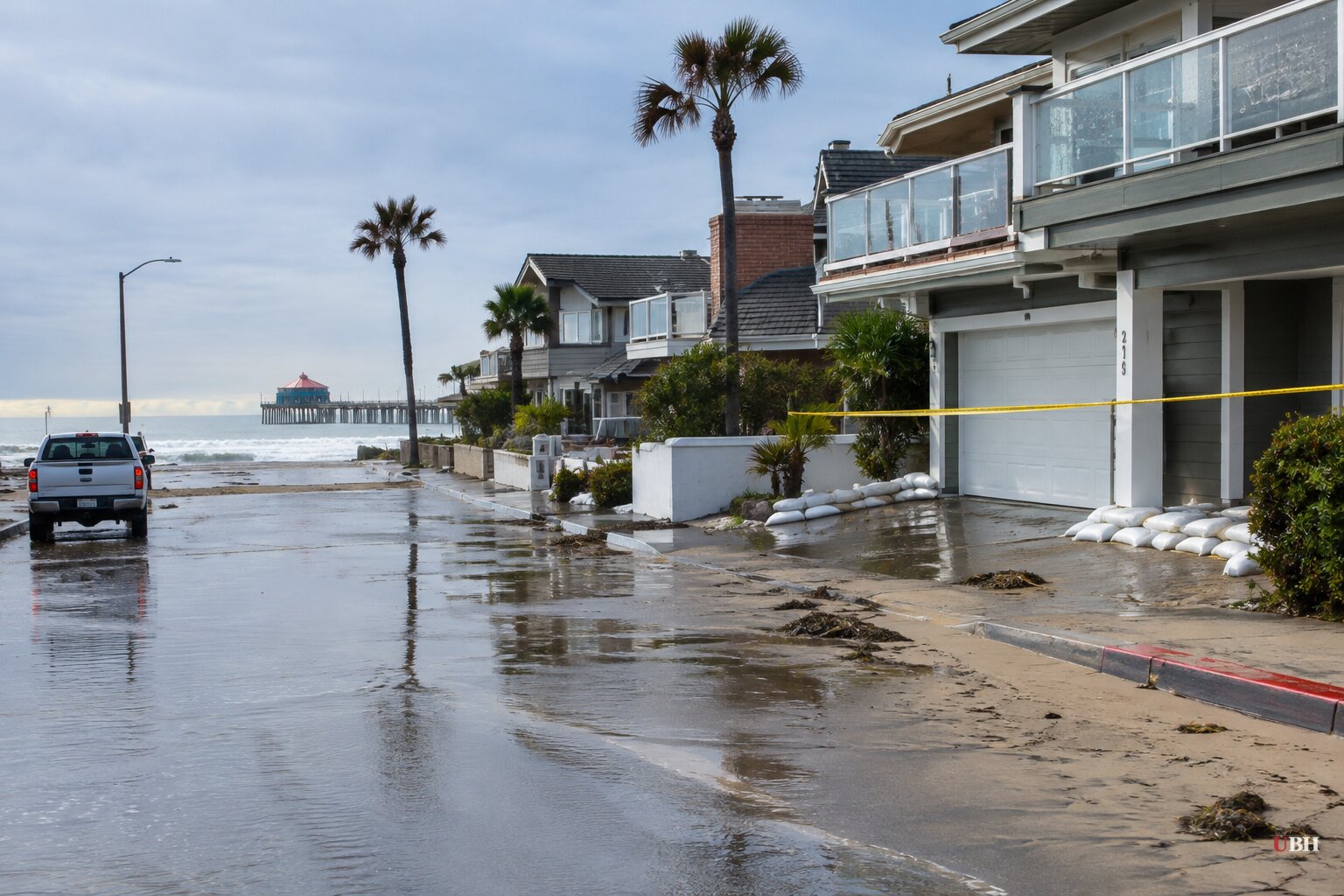
Since record-breaking tides hit Orange County earlier this week, Huntington Beach has put numbers on the damage. City officials say 114 homes and other structures along the coast were damaged by high tides and flooding. Six homes were yellow-tagged, meaning access is restricted over safety concerns.
The tides had calmed by Friday, Oct. 30. The cleanup is just starting.
What the city reports
Most of the damage was in Sunset Beach and Huntington Harbour. Parts of Pacific Coast Highway flooded, and multiple stretches were closed.
The city declared a state of emergency on Monday, Oct. 26, set up a command post and ran emergency services through the week. Even so, the city said in a statement that the waves "still caused significant impacts."
One structure caught fire after saltwater surf damaged a lithium-ion battery, according to the city. Separately, the Long Beach Fire Department evacuated about 20 homes on the Long Beach Peninsula over concerns about structural damage.
Cities up and down Orange County had thrown sandbags, water pumps, sand berms and drainage canals at the problem. In Sunset Beach, residents say the water came in anyway.
"We've never had this kind of thing," Sunset Beach Women's Club President Dawn McCormack told KTLA. Nine of the club's members had two to three inches of water in their homes, she said.
Why the water got so high
The city and the Los Angeles Times attributed the damage to king tides, the extremely high tides that typically come with new or full moons.
The Weather West blog disputes that label. It says this week's astronomical tides were higher than average but "far-from-extreme," and that the record water levels came mainly from thermal expansion of seawater plus a bulge of near-shore water from a coastally trapped Kelvin wave. Both effects, the blog says, are products of the current El Niño. The blog notes the flooding happened under sunny skies and light winds.
The same post reports ocean temperatures at record highs along the entire California coast, reaching north to Pt. Reyes or even Pt. Arena. It says Southern California water levels hit their highest ever recorded in any month, and that flooding affected at least hundreds and perhaps several thousand structures from the Bay Area to San Diego. That statewide estimate is the blog's own. The only official count in hand is Huntington Beach's 114.
What the forecast says
The city warned that "tides in late November could be even higher than this week's." It urged residents in Sunset Beach, Huntington Harbour and other low-lying areas to assess their property, get sandbags, protect vulnerable spots and review family emergency plans.
The Weather West blog puts numbers on that. It says true king tides will come in three episodes, in late November, late December and late January. Their astronomical contribution will run 6 to 12 inches above what California saw this week. Because the El Niño effects are expected to persist for months, the blog says, actual water levels could easily run more than a foot above current records.
UC Berkeley Professor Kristina Hill put it in plain terms to the Times: "If you imagine the amount of water that we saw this week, and then you add a foot to that... plus a low-pressure weather system, that's going to be devastating for a lot of people who have never seen that much water."
The Times reports that water levels at the peak of El Niño can rise another one to two feet above this week's records, especially if powerful storms coincide with king tides. The next major concern is Thanksgiving, with further high-tide events around Christmas and Martin Luther King Jr. Day.
The open question
The sandbags, pumps and berms did not hold in the hardest-hit blocks of Sunset Beach and Huntington Harbour. The city has not said what additional protection it plans before the late-November tides, or whether the six yellow-tagged homes can be reoccupied by then.
The lithium-ion battery fire adds a hazard that is hard to see coming. Flooded garages and storage areas can hold batteries, and the city has not said whether it will issue guidance on them before the next round of tides.
Sources used for this briefing
7 links from 5 independent newsrooms (syndicated copies of the same report count once)
These are the sources it draws on, linked so you can verify.


