
Unbiased headlines. Facts, not spin.
Every story is an unbiased news briefing written from 110+ sources across the spectrum — sources linked so you can verify it yourself.
 economy
Notable (6/10)
July 21, 2026 at 03:14 AM
economy
Notable (6/10)
July 21, 2026 at 03:14 AM
HUD Suspends Virgin Islands Housing Authority After Finding $1.3 Billion Went Unspent Nine Years After Hurricanes
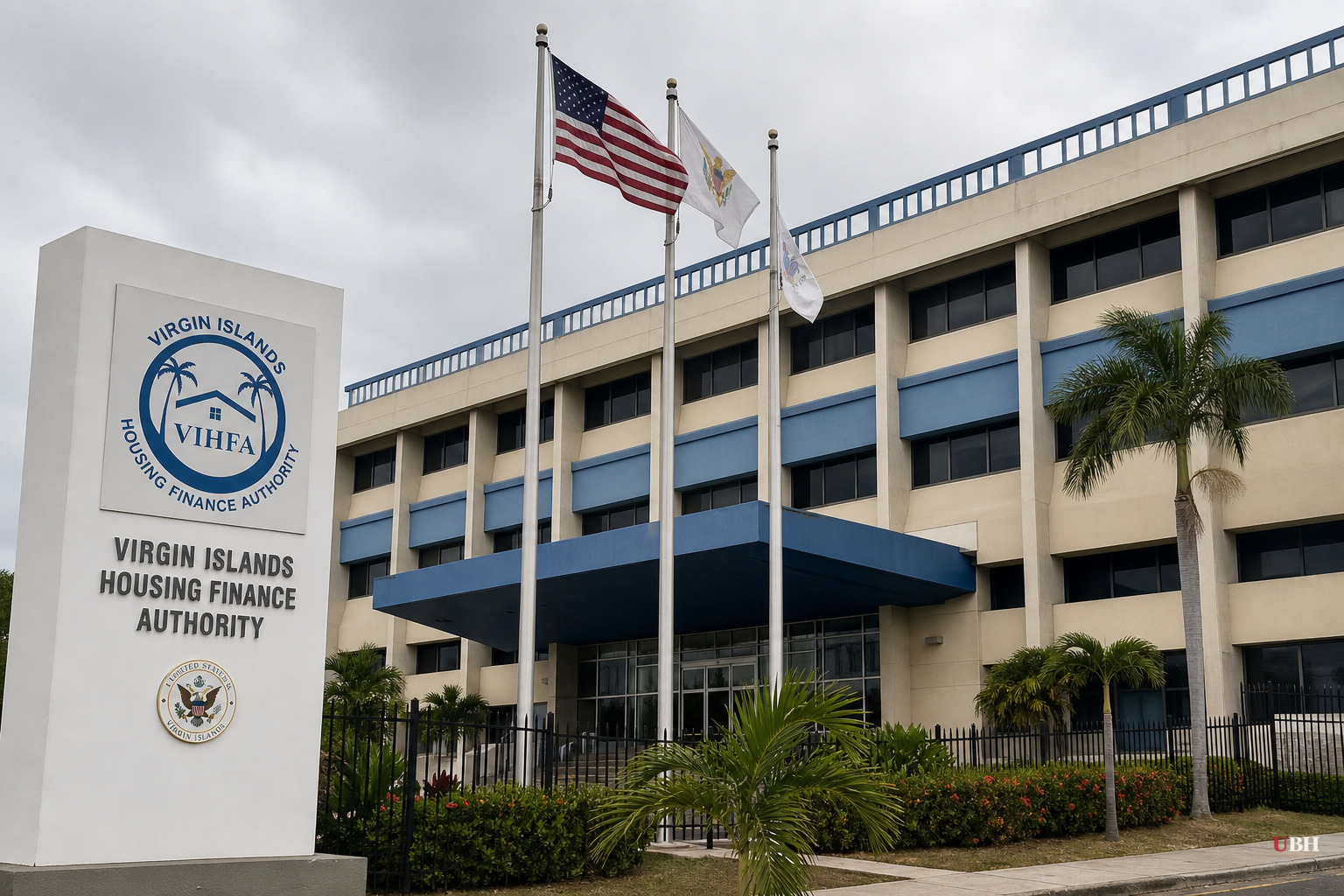
The Department of Housing and Urban Development suspended the U.S. Virgin Islands Housing Finance Authority from receiving federal funds Monday, July 20, citing what it called nine years of financial mismanagement tied to nearly $2 billion in hurricane relief money.
HUD Secretary Scott Turner said the territory received $1.9 billion in disaster recovery funding after Hurricanes Irma and Maria hit in September 2017, both Category 5 storms. Nine years later, VIHFA has spent only $570 million of that money, less than a third of the total, according to Turner. HUD's own letter puts the shortfall at roughly $1.3 billion in assistance Congress intended for Virgin Islanders that has not reached them.
A 13-page letter from HUD Deputy Andrew Hughes to VIHFA official Dayna Clendinen bars the authority from future federal procurement while the investigation continues. The letter states that VIHFA's record "demonstrates that it is an abysmal steward of taxpayer funds."
The numbers in that letter are specific and ugly. VIHFA has completed just two of 95 planned single-family rental rehabilitation projects. Zero of 329 single- and multifamily housing projects are done, according to HUD's findings. The authority had spent only 2% of its electrical grid recovery funding as of May. And more than half of the grant funds set aside for administrative costs have already been spent, HUD said, with a separate figure putting administrative spending at $52.6 million alone.
HUD also alleges VIHFA sought $6.2 million in disaster funds that FEMA had already paid out, a claim the agency says points to duplicate billing on top of the delays.
Turner, a former NFL cornerback who now sits on the White House Task Force to Eliminate Fraud, posted the accusations directly on X rather than waiting for a formal press rollout. He wrote that VIHFA officials "cannot be allowed to prioritize kickbacks over helping families recover from disasters."
The suspension follows an actual criminal conviction, not just an audit finding. Darin Richardson, VIHFA's former chief operating officer, was sentenced in March to 36 months in federal prison after being convicted of bank fraud, money laundering, and criminal conflict of interest. Prosecutors said Richardson inflated a lumber contract for hurricane-damaged homes from $3 million to $4.5 million and took a $107,000 kickback from a contractor, according to Turner's account on X. The lumber, Turner said, was left to rot in the sun and never used.
U.S. Attorney Delia L. Smith said Richardson and co-defendants "exploited hurricane recovery efforts in order to develop and carry out a $4 million scheme to defraud taxpayers."
A HUD inspector general audit released in March found VIHFA "does not have fraud risk management processes to prevent and detect fraud risks." That audit is separate from and predates Monday's suspension letter, but it forms part of the record HUD is now acting on.
HUD is not accusing an agency based on incomplete evidence. There's a federal conviction, an inspector general audit, and now a formal funding freeze, three separate points of documented failure. That provides a stronger evidentiary basis than many fraud allegations receive.
Still, it's fair to be precise about what has and hasn't been proven. The investigation into VIHFA's broader conduct beyond Richardson's case is, in HUD's own words, ongoing. No new individuals beyond Richardson have been charged in connection with the funding delays or the alleged FEMA double-billing. The suspension is an administrative action, not a criminal charge against the authority or its current leadership.
VIHFA's director and spokesperson did not respond to requests for comment. The authority has the right to appeal the suspension by requesting a hearing, and it hasn't yet said whether it will contest HUD's findings or offer an explanation for the spending gap.
Rebuilding an entire territory's housing stock and electrical grid after two Category 5 storms is genuinely difficult, and bureaucratic delay isn't automatically fraud. Some of the slow pace could reflect permitting fights, contractor shortages, or legitimate disputes over scope. But a 2% completion rate on grid recovery funding and zero of 329 multifamily projects finished after nine years is a gap that demands more than an explanation about permitting delays.
In February, VIHFA's executive director resigned after local legislators questioned why $4.2 million in funds sat idle. That resignation came months before Monday's suspension and suggests territorial lawmakers had already flagged problems HUD is now acting on.
The unresolved question is what happens to the roughly $1.3 billion in unspent recovery money now that VIHFA can't receive new federal funds. HUD hasn't said whether it will redirect existing appropriated funds to a different administrator or whether Virgin Islanders will face further delays while the investigation and any appeal play out.
Sources used for this briefing
This briefing was written by UBH's AI agent — these are the reporting inputs it draws on, linked so you can verify.


