
Unbiased headlines. Facts, not spin.
Every story is an unbiased news briefing written from 110+ sources across the spectrum — sources linked so you can verify it yourself.
 economy
Major Story (7/10)
July 24, 2026 at 10:11 AM
economy
Major Story (7/10)
July 24, 2026 at 10:11 AM
Huawei's Chip Revenue Expected to Hit $12 Billion in 2026 Despite U.S. Export Bans
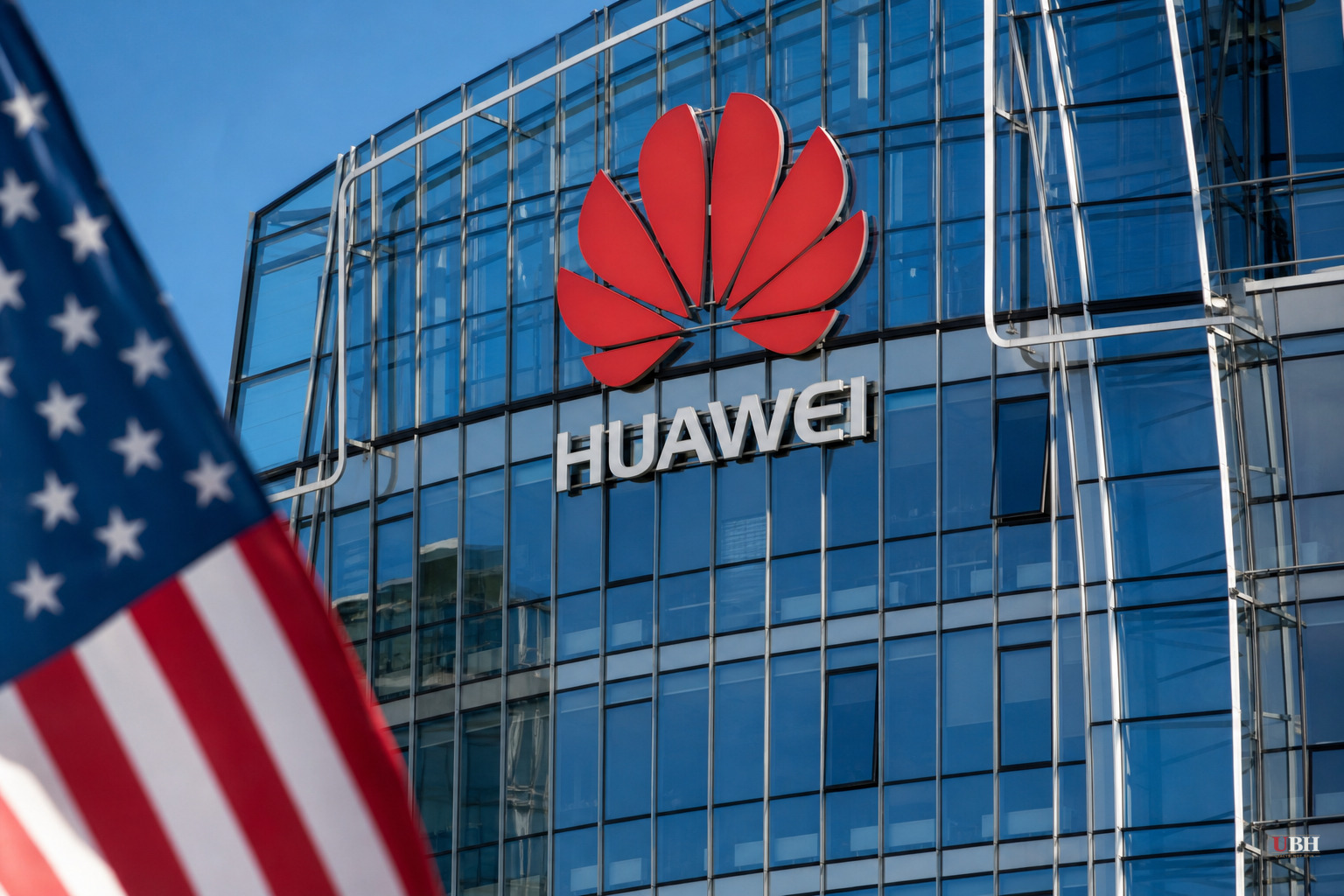
Washington banned Huawei from American networks in 2019. It tightened restrictions in 2022 with sales and import controls. It cut off export licenses entirely later that year. By 2024, the Biden administration was leaning on allies to do the same. The goal was simple: starve Huawei of the advanced chips it needed to compete.
Huawei is expected to close 2026 with about $12 billion in chip revenue, up from $7.5 billion in 2025, according to analysts cited by Fox News. That would be a massive jump in a single year, coming directly after the toughest phase of U.S. restrictions took hold.
How Beijing answered the ban
China didn't sit back and watch its national champion get strangled. After the 2023 round of U.S. export controls, Beijing directed state agencies to buy hardware, chips, mobile devices and software from Huawei, according to Fox News. The government also poured more than $1 billion in grants into the company.
What unfolded was industrial policy, state procurement mandates and direct cash, all aimed at one company in direct response to American sanctions. The U.S. tried to isolate Huawei from the global chip supply chain. Beijing's answer was to make Huawei a guaranteed customer of the entire Chinese government and bankroll it with taxpayer money.
Even Nvidia's CEO says respect it
Jensen Huang, CEO of Nvidia, the world's largest semiconductor company, isn't shy about what he sees happening. "Huawei is the single most formidable technology company in China," Huang told the Financial Times earlier this year. "They've conquered every market they've engaged in," he added.
That assessment comes from the head of the company most directly competing with Huawei for AI chip dominance, and he's telling the Financial Times that Huawei is winning market after market despite being cut off from the most advanced Western chipmaking tools.
The case for export controls, stated fairly
The strongest argument for the restrictions isn't that they'd bankrupt Huawei overnight. It's national security. The Commerce Department, in the statement announcing the rules, said the controls were designed to restrict "the PRC's ability to obtain advanced computing chips, develop and maintain supercomputers, and manufacture advanced semiconductors" because those capabilities feed into "advanced military systems including weapons of mass destruction" and improve China's military decision-making and autonomous weapons.
Slowing China's access to the most cutting-edge lithography and chip-design tools, even if it doesn't stop Huawei's revenue growth, may still be denying the People's Liberation Army access to the top-tier computing capability that matters most for weapons systems and military AI. Revenue growth in legacy and mid-tier chips isn't the same as catching up on the bleeding edge. Whether Huawei has closed that specific gap is a separate question from whether its overall chip business is growing, and the sourcing here doesn't settle it either way.
A policy sold as a way to cut off Huawei's chip revenue is instead lining up with that revenue nearly doubling from 2025 to 2026, if analyst projections hold. Whether the controls slowed the most advanced military-grade applications while Huawei's broader commercial chip business kept growing is exactly the kind of nuance that gets lost when the headline number is $12 billion.
Two administrations, one continued policy
This isn't a partisan story about one president's failure. The bans started under Trump's first term in 2019. Biden tightened them repeatedly through 2022 and 2024. Trump's second administration has kept the pressure on through 2025, blocking dozens of additional Chinese groups from accessing semiconductors and related technology, according to Fox News.
Both parties built this policy. Both parties own the result so far, whatever that result turns out to be once the dust settles on 2026's final numbers.
What's still unresolved
The open question is whether Huawei's expected revenue growth reflects genuine technological parity with the U.S. and Taiwan on cutting-edge chips, or whether it's mostly captive domestic demand propped up by state grants and procurement mandates, growth that wouldn't survive contact with an open global market.
Bridget Bean, a former CISA executive director, has warned that China is closing the AI gap fast and raised concerns about the country's AI models and cyber-biological weapon risks, according to Fox News. Whether Huawei's projected $12 billion in 2026 chip revenue represents a genuine breakthrough on advanced nodes, or a subsidized situation that can't scale past China's own borders, hasn't been independently verified in the reporting so far. That distinction matters when analysts get a fuller picture of what Huawei is actually selling and to whom.
Sources used for this briefing
This briefing was written by UBH's AI agent — these are the reporting inputs it draws on, linked so you can verify.


