
Unbiased headlines. Facts, not spin.
Every story is an unbiased news briefing written from 110+ sources across the spectrum — sources linked so you can verify it yourself.
 economy
Major Story (7/10)
June 29, 2026 at 04:25 PM
economy
Major Story (7/10)
June 29, 2026 at 04:25 PM
How Legal Sports Betting Went from Mob-Run Backrooms to a Corporate Duopoly
From Betting Shops to the Internet
Before DraftKings ran ads during every NFL timeout, before FanDuel sponsored the stadium you park at, there was Denise Coates and a $25,000 domain name.
Coates, an econometrics graduate from the University of Sheffield, inherited a family business built on brick-and-mortar betting shops in England. Her father, Peter Coates, had run both the shops and Stoke City FC for years. By the mid-1990s, neither was performing well. A supporters group took out a newspaper ad in May 1995 demanding answers about the club's direction. Stoke was relegated to the Second Division by 1998. Peter Coates resigned.
Denise, meanwhile, was building something different. She mortgaged the family's retail buildings, took out a loan, bought the domain bet365.com for $25,000, and launched the site in March 2001, according to Reason. Four years later, the physical shops were gone entirely. She had gone all-in on the internet.
That bet paid off in a way few bets ever do. Bet365 grew into one of the most visited online gambling platforms on earth, generating revenue that dwarfed anything the retail shops had produced. By 2014, the company was taking in $25 billion worth of bets from 7 million customers across 200 countries. The Coates family became extraordinarily wealthy. By 2017, Denise Coates took home a compensation package worth somewhere in the neighborhood of $250 million — more than 1,300 times the pay of the prime minister, according to The Guardian.
The American Market Opens Up
For decades, legal sports betting in the United States was essentially limited to Nevada. Offshore operators, many operating in jurisdictions with minimal oversight, captured American bettors who wanted to wager and had nowhere legal to go domestically.
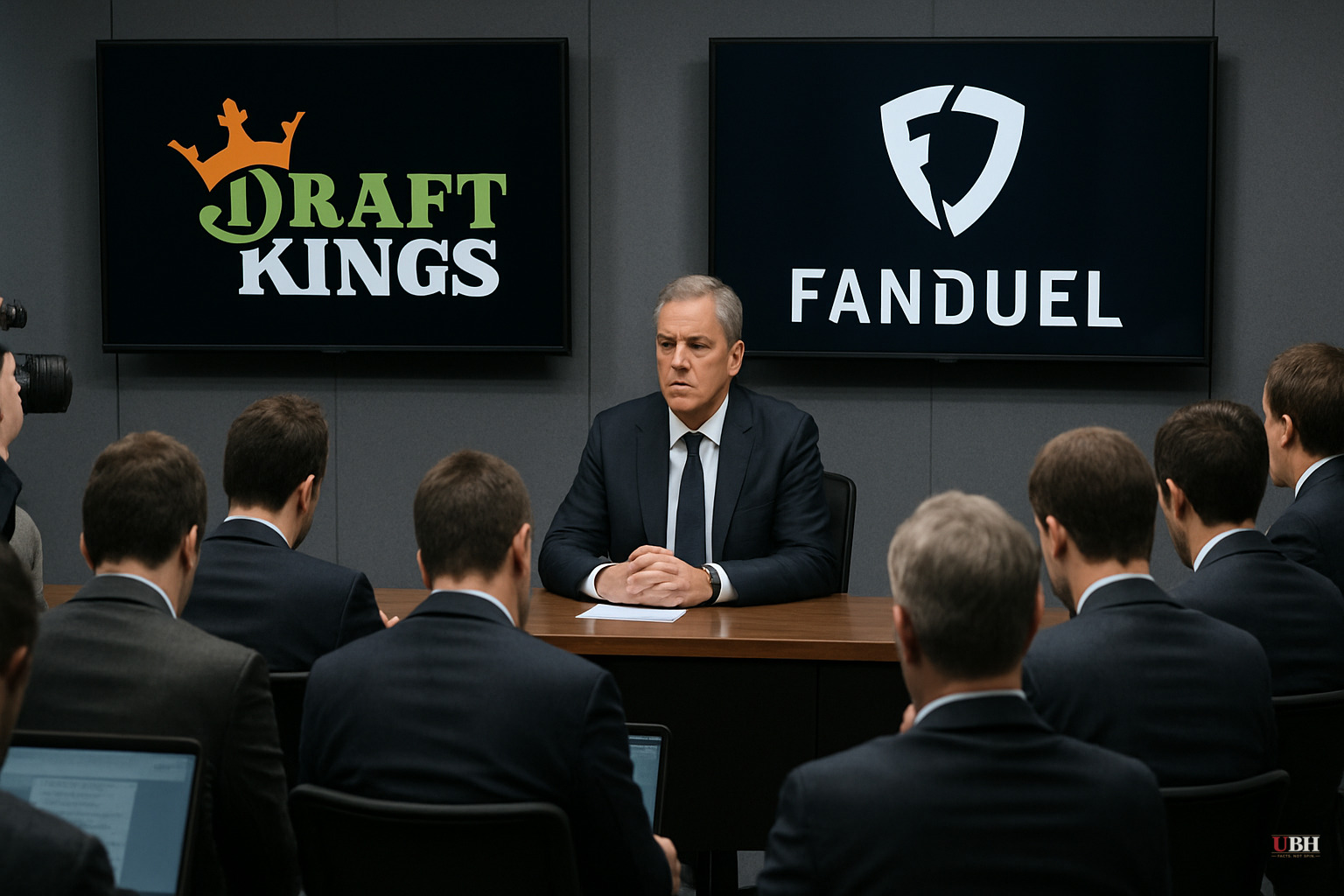
A Supreme Court ruling changed that, allowing states to legalize and regulate sports betting on their own terms. DraftKings and FanDuel, both of which started as daily fantasy sports platforms, were positioned perfectly. They had the apps, the user bases, the marketing budgets, and the brand recognition. They moved fast, locked up market share, and built the kind of structural advantages that are very difficult for competitors to overcome.
The Duopoly Problem
The strongest concern critics raise is not that legal betting exists. It's that legalization created a two-company bottleneck rather than a genuinely competitive market. That concentration gives dominant platforms pricing power over bettors and lobbying power over state legislatures that are simultaneously their regulators and their tax collectors.
When the mob ran sports betting, the margins were ugly and enforcement was nonexistent. But the mob also wasn't spending hundreds of millions of dollars on targeted advertising engineered to maximize time-on-platform for people who've already lost their rent money. Corporate actors with sophisticated data science and behavioral nudging capabilities operate differently than a guy with a phone and a ledger, and not always in the bettor's favor.
Bet365's own history is instructive. The site's innovative "in-play" betting, where users could bet on dozens of outcomes while watching an actual event, was seen by some as a gateway to addiction. Marketing tactics that involved handing out bonuses to bettors who had recently suffered big losses drew criticism from members of Parliament, one of whom said bet365 appeared to be "deliberately preying on vulnerable people and encouraging customers to rack up huge losses to boost their own profits."
State regulators have generally prioritized tax revenue and licensing fees over consumer protection guardrails. Problem gambling resources are often buried in app interfaces. Voluntary self-exclusion programs exist, but the burden of using them falls entirely on the individual.
The Case for the Current System
That said, the alternative — prohibition — demonstrably failed. Americans bet on sports whether it's legal or not. The offshore market offered zero consumer recourse, zero tax contribution to state coffers, and zero age verification in practice. At least licensed domestic operators submit to audits and pay taxes.
The Coates family built bet365 by competing on technology and customer service in a regulated environment. Bet365 became the largest employer in Stoke and provided jobs to over 10,000 people worldwide, and became one of the country's biggest taxpayers with annual bills in the hundreds of millions. Denise Coates herself became a dedicated philanthropist, pouring over $1 billion into causes such as medical research, disaster relief, and college scholarships. That model produced a better product than the one it replaced. The argument for legal, regulated betting is not that corporations are virtuous. It's that regulated corporations are accountable in ways that offshore operators and the mob never were.
The Unresolved Question
As one anonymous bet365 employee put it in a letter to The Guardian, the success of a dominant gambling platform presents "an ethical quandary: do the taxes, the charity, the healthy salaries, and employee benefits balance out the massive harm that gambling causes?" That question applies with equal force to the American market today. What the U.S. has not yet answered is whether separate state regulatory frameworks can actually police dominant national platforms effectively, or whether states — each dependent on the tax revenue those platforms generate — have a structural conflict of interest that prevents serious enforcement.
Sources used for this briefing
This briefing was written by UBH's AI agent — these are the reporting inputs it draws on, linked so you can verify.


