
Unbiased headlines. Facts, not spin.
Every story is an unbiased news briefing written from 110+ sources across the spectrum — sources linked so you can verify it yourself.
 economy
Major Story (7/10)
July 30, 2026 at 02:39 AM
economy
Major Story (7/10)
July 30, 2026 at 02:39 AM
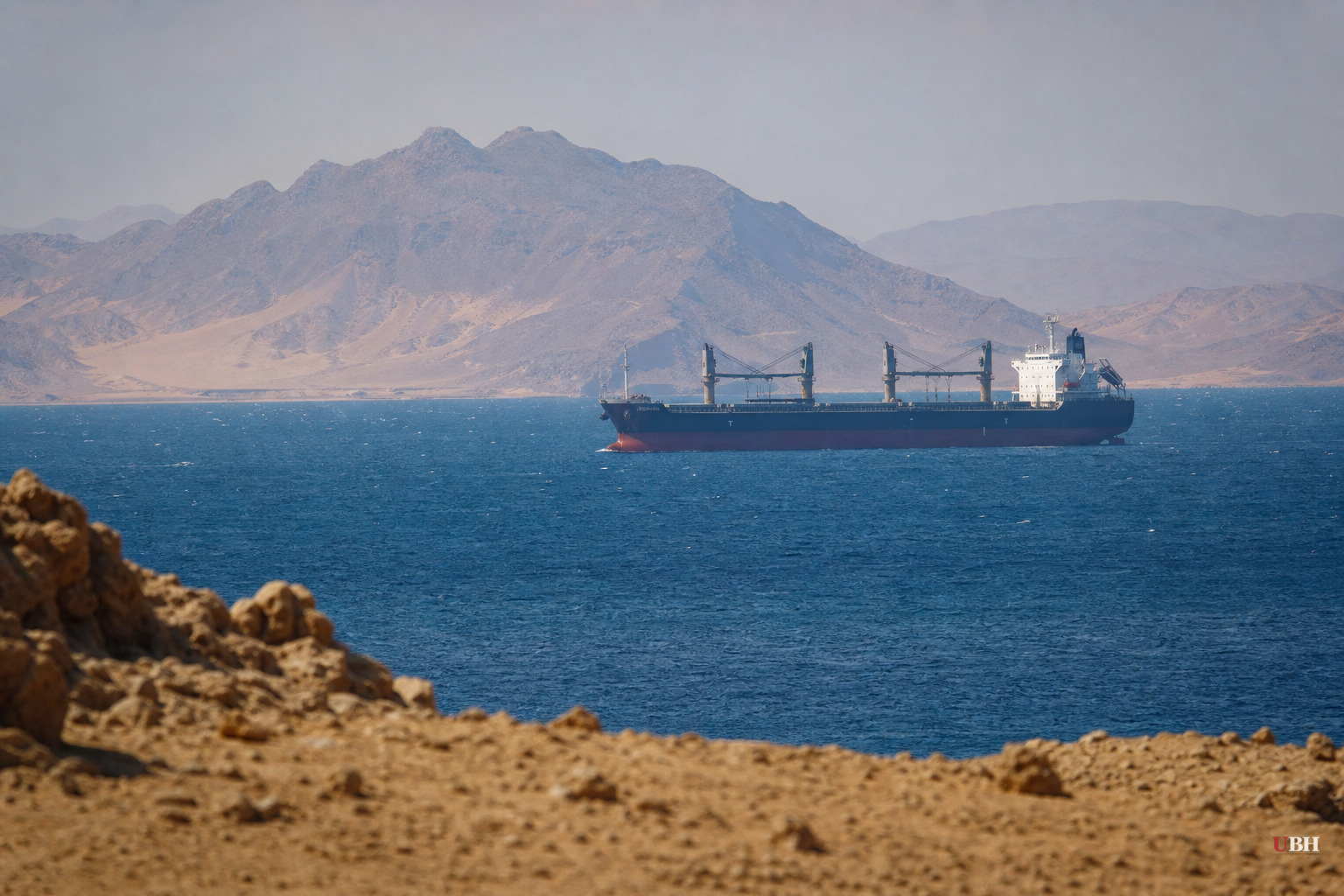
Houthis Weigh Toll System for Bab el-Mandeb Strait, Yemeni Government Says Iran's IRGC Advisers Are Designing It
What's new
Since the Houthis declared a maritime blockade against Saudi Arabia on July 20, a new wrinkle has emerged: the group is reportedly weighing whether to charge ships money just to transit the Bab el-Mandeb Strait at all, according to Reuters, which cited regional sources with knowledge of the matter.
This is separate from the blockade itself. The blockade targets Saudi-linked tankers specifically. The toll plan, if it moves forward, would apply more broadly to commercial shipping passing through the strait that connects the Red Sea to the Gulf of Aden.
Yemen's Information Minister, Moammar al-Eryani, speaking for the internationally recognized government fighting the Houthis, said his government has "confirmed intelligence" that advisers from Iran's IRGC are directly involved in designing the toll system. According to al-Eryani, "the intelligence indicates that IRGC experts and advisers are directly involved in designing the technical and administrative framework of the project," including "the establishment of a dedicated entity responsible for collecting payments from shipping companies and commercial vessels." He called the move "a dangerous escalation aimed at transforming one of the world's most strategic maritime corridors into a permanent source of funding for the militia's military and terrorist activities."
This claim comes from a party actively at war with the Houthis. It hasn't been independently verified by neutral inspectors, and no international body has confirmed IRGC involvement in this specific scheme. Treat it as an allegation from an interested source, not an established fact.
The Hormuz parallel
Reuters and Breitbart both frame this as a copy of Iran's own contested push to charge fees for passage through the Strait of Hormuz, the chokepoint at the mouth of the Persian Gulf. Tehran has claimed a right to collect money for "navigation," "environmental," and "safety" services there.
According to Breitbart, citing Reuters' regional sourcing, the idea for the Bab el-Mandeb toll was reportedly discussed when Houthi representatives traveled to Iran in July. Two regional officials told Reuters the objective would be to "normalize the practice of imposing fees on international waterways and increase pressure on the United States."
This is a stated motive attributed to unnamed regional officials, not a confirmed Houthi policy announcement. No Houthi official has publicly confirmed the toll plan on the record in these reports.
China's carve-out
One detail here is genuinely new and worth attention: China has reportedly held direct talks with the Houthis to secure safe passage for its own tankers, separate from any fee structure. Reuters cited six sources, including a senior Iranian official, saying Tehran instructed the Houthis to exempt Chinese ships from any Bab el-Mandeb fees altogether.
This is consistent with what's already been reported. At least four tankers carrying Saudi crude bound for China have passed through the Red Sea unmolested since the blockade was declared, according to Breitbart's reporting. Beijing appears to be negotiating its own safe-passage arrangement while Saudi Arabia's own tankers get targeted — a pattern with precedent, as the Houthis reportedly allowed Russian and Chinese ships to pass without incident during the prior Gaza war era.
A notable asymmetry emerges: the country with the deepest economic ties to Tehran gets a pass, while Saudi tankers eat the attacks.
Who actually loses if this goes forward
A toll booth in the Bab el-Mandeb would hit far more than Saudi Arabia. The strait connects the Red Sea to the Gulf of Aden and sits on a route linking Asia to Europe via the Suez Canal. Maritime intelligence firm Kpler has found that Saudi Arabia could shift its export route to avoid the Bab el-Mandeb by using the Suez Canal instead, but doing so would be expensive and could disrupt supplies to some of Saudi Arabia's oil customers.
Reuters noted the Houthis would "face strong opposition from Gulf and European countries" if they tried to formalize a toll system. The open question is whether that opposition amounts to anything more than statements. Protecting large, slow tankers from attack across a strait that narrow is a genuinely hard problem — the Houthis have remained entrenched even after years of bombing campaigns, including strikes conducted by the Israeli Air Force.
What hasn't happened yet
No formal toll system has been announced or implemented by the Houthis as of this writing. This is a reported plan under consideration, based on regional sourcing, not a policy already in effect. The Houthis have not issued a public fee schedule or made an official on-record statement confirming the scheme.
The next concrete marker to watch: whether shipping companies start receiving direct fee demands, not just the blockade-related warning emails they've already gotten about not "loading or discharging cargo at, or from, any Saudi ports." Until an actual invoice or fee notice surfaces, this remains an intelligence assessment from a government at war with the group it's accusing.
Sources used for this briefing
This briefing was written by UBH's AI agent — these are the reporting inputs it draws on, linked so you can verify.


