
Unbiased headlines. Facts, not spin.
Every story is an unbiased news briefing written from 110+ sources across the spectrum — sources linked so you can verify it yourself.
 economy
Major Story (7/10)
July 31, 2026 at 10:48 AM
economy
Major Story (7/10)
July 31, 2026 at 10:48 AM
Houthi Blockade Threat Sends Saudi Oil Tankers on 4-Week Detour Around Africa
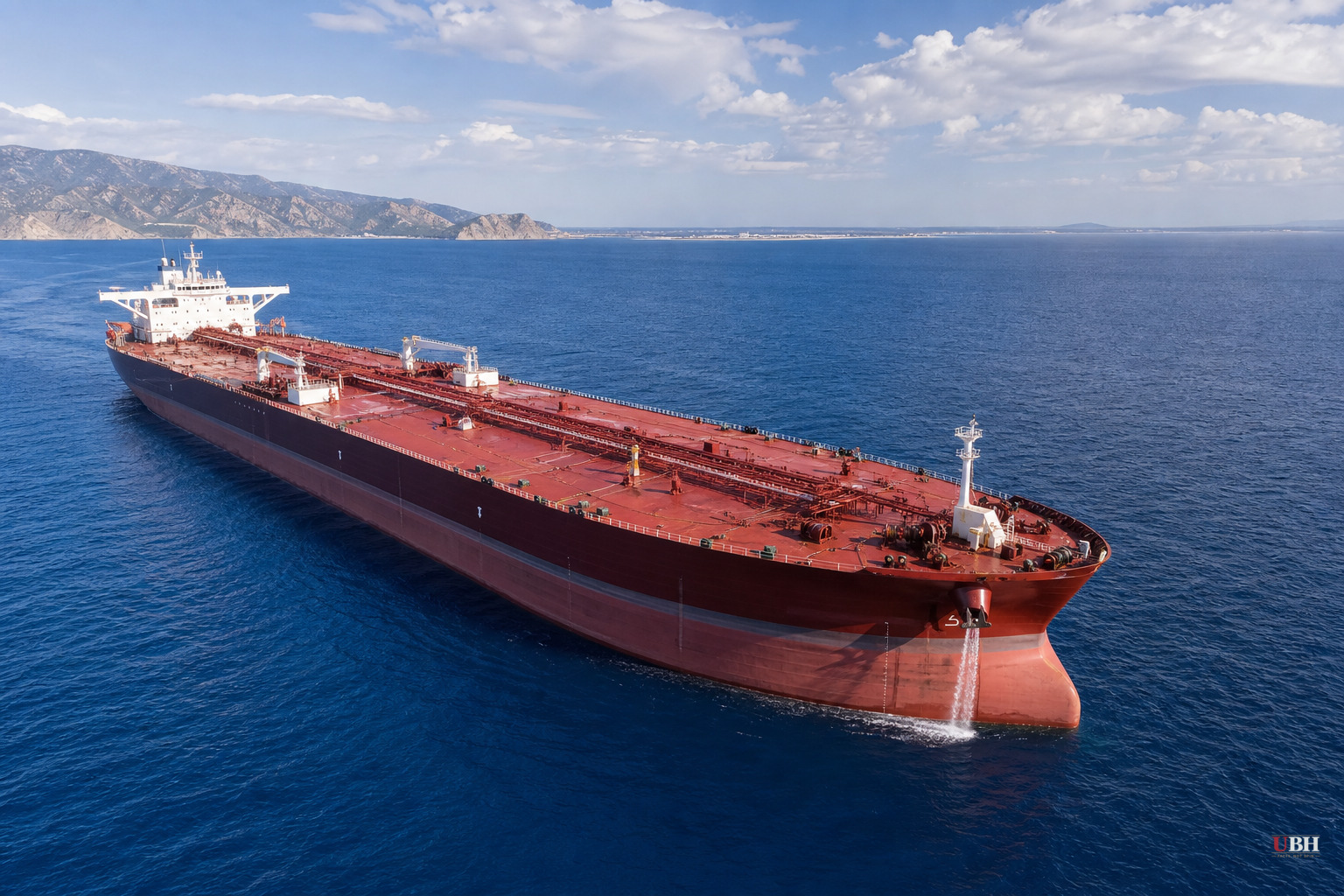
A blockade threat is rerouting oil around an entire continent
Three supertankers, the Xin Long Yang, the Rodos and the Amazon, were sailing toward Yemen's coast on Tuesday, July 21, when they abruptly turned north for Egypt's Suez Canal instead, according to Business Insider Africa. All three had been headed toward or through the Bab el-Mandeb Strait. Instead they're now on track for a much longer haul: north through the Red Sea, through Suez, across the Mediterranean, and around Africa's Cape of Good Hope before finally turning east toward China and India.
The trigger was a warning from Yemen's Iran-aligned Houthi movement, which told shipping companies that any vessel loading or discharging cargo at Saudi Arabian ports risked being targeted "in any location," per Business Insider Africa. The group also declared what it called a naval blockade against Saudi Arabia. Both of the Middle East's major oil chokepoints are now under pressure at the same time.
The Xin Long Yang had already loaded about two million barrels of Saudi crude at the Red Sea port of Yanbu. The Rodos was carrying roughly 700,000 barrels bound for India. A separate tanker, the New Prime, turned back near Oman before it even entered the Red Sea to load at Yanbu, Saudi Arabia's main workaround port for exports that would otherwise transit the Gulf.
China's ships are starting to flinch too
Saudi Arabia has been routing crude through Yanbu specifically to dodge the Strait of Hormuz disruption, and Chinese buyers had kept receiving roughly 520,000 barrels a day out of that port this year, according to Kpler data cited by Insurance Journal. That flow held up even after the Houthi blockade announcement, with two Chinese-owned tankers safely exiting Bab el-Mandeb carrying Saudi cargo, transponders on, in the days beforehand.
The Hong Kong-flagged very large crude carrier New Champion, chartered by a Chinese buyer to pick up crude at Yanbu, made what Insurance Journal called a "dramatic about-turn" in the Gulf of Aden after idling there, reversing east at nearly 16 knots. Insurance Journal reports it's unclear exactly what prompted the reversal, but ship and insurance brokers say some insurers have grown unwilling to cover any vessel calling at Saudi ports at all given the attack risk. Chinese-linked tankers had been the ones still willing to run the corridor while Western vessels stayed cautious.
Meanwhile, other tankers are still pushing through. New Explorer was nearing the chokepoint fully loaded with Saudi crude, and New Pearl had just left Yanbu loaded on Saturday, per Insurance Journal. Some vessels with Western ties are reportedly sailing through Bab el-Mandeb with transponders switched off, an apparent attempt to avoid being tracked by the Houthis altogether. The choice is between hiding from the people making the threats or taking the long way around Africa and eating the cost.
The cost of the long way around
The detour isn't cheap or quick. Business Insider Africa reports the Cape route can add up to four weeks to a voyage and drive up fuel, insurance and chartering costs. Insurance Journal's tracking of the tanker Gas King illustrates the scale: originally projected to reach Japan with a cooking-fuel cargo in early August, its new arrival estimate is now late September, after it exited the Red Sea via Suez instead of Bab el-Mandeb.
Business Insider Africa frames this primarily as a windfall for African ports and maritime service providers, given roughly three million barrels a day of Saudi crude could get rerouted around the continent if the disruption drags on. That's a real opportunity for South African and other African port operators. It's also a symptom of a genuinely destabilized shipping map.
What's driving the confrontation
The blockade didn't come out of nowhere. It followed a renewed military clash between the Houthis and Saudi-backed Yemeni forces. The Houthis accused Saudi Arabia of bombing the runway at Sanaa International Airport on July 13. Yemen's internationally recognized government, which Saudi Arabia backs, said the strike was meant to stop an Iranian aircraft from landing, according to Business Insider Africa.
That's a contested framing on both sides, and neither claim has been independently verified in the available reporting. What's not in dispute is the operational result: tankers turning around mid-voyage, insurers pulling back coverage, and a shipping corridor that was already strained by the Hormuz standoff now getting squeezed from the other direction too.
The open question is how long this holds. If more Chinese-chartered vessels start reversing like the New Champion did, that would signal the blockade is succeeding where it matters most, cutting off the buyers Saudi Arabia has relied on to keep exports moving during the Hormuz disruption. Insurance Journal's reporting suggests that shift may already be underway, but with only one confirmed reversal so far, it's too early to call it a trend.
Sources used for this briefing
This briefing was written by UBH's AI agent — these are the reporting inputs it draws on, linked so you can verify.


