
Unbiased headlines. Facts, not spin.
Every story is an unbiased news briefing written from 110+ sources across the spectrum — sources linked so you can verify it yourself.
 defense
Major Story (7/10)
August 4, 2026 at 10:20 PM
defense
Major Story (7/10)
August 4, 2026 at 10:20 PM
House Probe Finds Banned Chinese Telecoms Never Fully Left US Networks
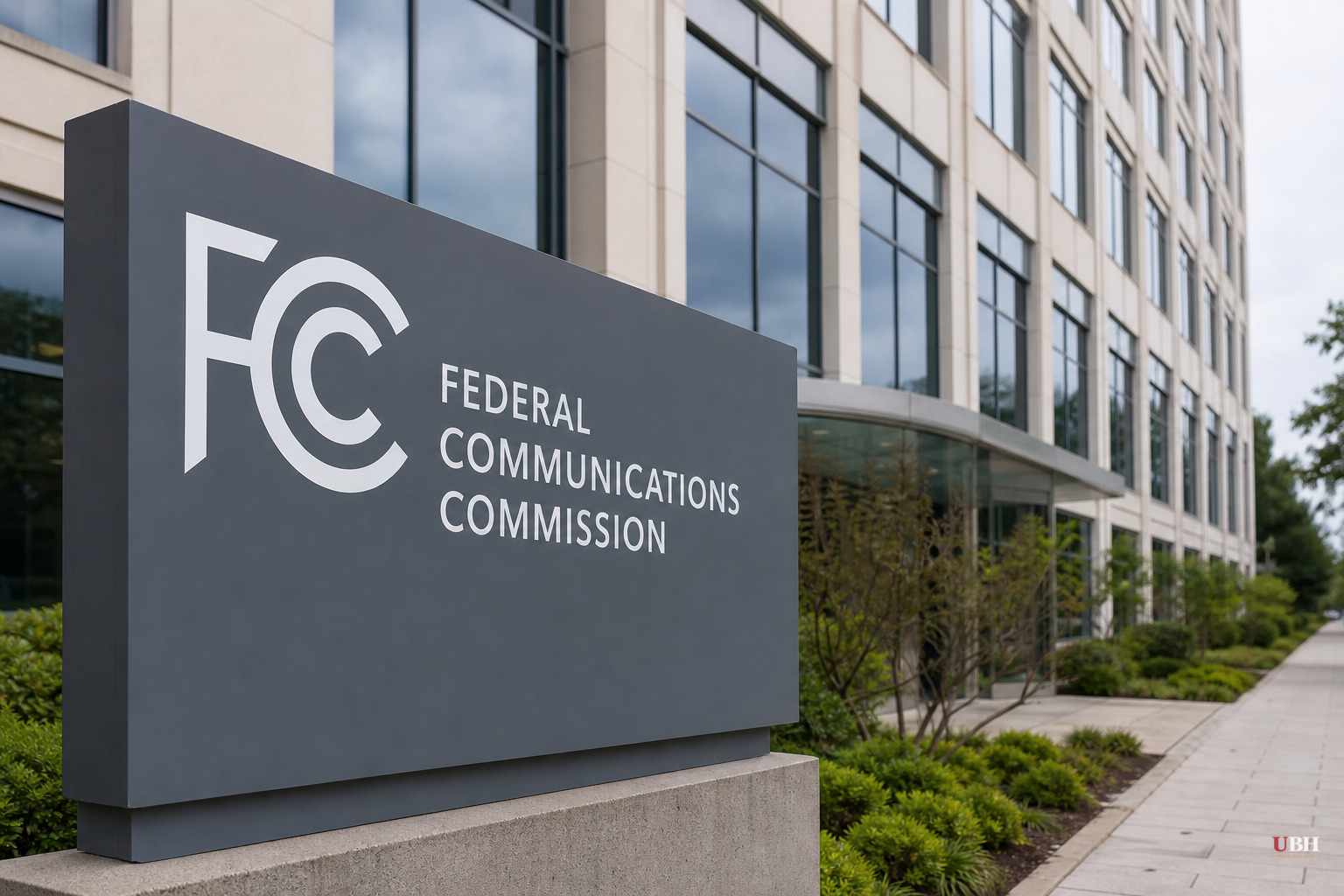
The FCC banned three Chinese state-owned telecom giants from operating key services in America years ago. They never actually left.
A bipartisan House China Committee investigation, a nearly 50-page report set for release Tuesday and first reported by Nextgov/FCW, found that China Telecom, China Mobile, and China Unicom kept equipment, data-center space, and network connections in the United States long after federal regulators moved against them.
Between 2019 and 2022, the FCC denied China Mobile USA's application to provide international phone service. It also revoked authorizations held by China Telecom Americas and China Unicom Americas. Those were real regulatory actions with real teeth on paper.
But the orders never required the companies to physically pull equipment out of U.S. facilities, vacate data centers, or cut private network links. So the carriers just kept running enterprise networking, internet transit, and other services that didn't require the revoked authorizations, according to the committee's findings. Regulators banned specific services and licenses. They didn't order a physical exit. Companies followed the letter of the order and stayed put everywhere else.
Why this matters for Salt Typhoon
The committee connected these leftover footholds directly to Salt Typhoon, the Chinese espionage campaign that came to light in 2024 after hackers breached major U.S. and international telecom carriers.
That intrusion was significant. It reached systems telecom companies use to comply with court-ordered wiretaps, and it let Chinese cyberspies target communications belonging to senior U.S. officials, including President Trump and Vice President JD Vance, according to the report.
Investigators reviewed routing data from September 22 to 25, 2024, right as the Salt Typhoon campaign became public. They identified 58 groups of IP addresses that the Cybersecurity and Infrastructure Security Agency had already linked to Salt Typhoon servers.
China Mobile International's network showed up in routes to those servers at least 192 times during that four-day window, according to the committee. That means its infrastructure helped keep the attackers' servers reachable while U.S. defenders were actively trying to shut the operation down.
The committee does not allege that China Mobile USA employees knew about or participated in the Salt Typhoon campaign. Routing traffic through a network is not the same as running the operation. Internet infrastructure is interconnected by design, and foreign carriers routinely carry traffic they have no visibility into or control over.
Still, the committee's broader point stands: these companies' continued physical and network presence in the U.S., years after regulators tried to push them out, created exactly the kind of pathway a foreign intelligence service would want. Reachable infrastructure. Data-center space. Existing routes into American networks.
The three carriers did not respond to requests for comment, according to Nextgov/FCW. Nextgov/FCW also sought comment from the FBI, CISA, and several U.S. intelligence agencies; the Defense Intelligence Agency declined to comment.
A spokesperson for China's embassy in Washington pushed back hard, saying Beijing "firmly opposes the U.S. overstretching the concept of national security and going after Chinese companies," and that China would defend its "legitimate and lawful rights and interests." That's Beijing's standard line whenever Washington moves against Chinese firms. It doesn't address the specific finding that banned entities kept U.S. infrastructure the FCC never ordered removed.
American officials have long treated China as the top cyber threat facing critical infrastructure, government networks, and personal data. Salt Typhoon is Exhibit A for why. This report adds a specific, uncomfortable detail: even after regulators pulled licenses, the underlying physical footprint stayed exactly where it was.
What happens next
The House China Committee's report doesn't announce new charges or an active investigation into wrongdoing by the carriers themselves. It's a finding, not an indictment.
The unresolved question is what the FCC or Congress does about the enforcement gap. If revoking a license doesn't require removing the equipment or severing the connections, that's a hole in the process, not just a one-time oversight. Whether lawmakers move to close it by mandating actual decommissioning and network disconnection as a condition of future national-security actions should become clear once the full report becomes public Tuesday.
Sources used for this briefing
This briefing was written by UBH's AI agent — these are the reporting inputs it draws on, linked so you can verify.


