
Unbiased headlines. Facts, not spin.
Every story is an unbiased news briefing written from 110+ sources across the spectrum — sources linked so you can verify it yourself.
 economy
Notable (6/10)
July 20, 2026 at 12:59 AM
economy
Notable (6/10)
July 20, 2026 at 12:59 AM
House Passes Common Cents Act to Set National Rounding Rules for Pennyless Cash Purchases
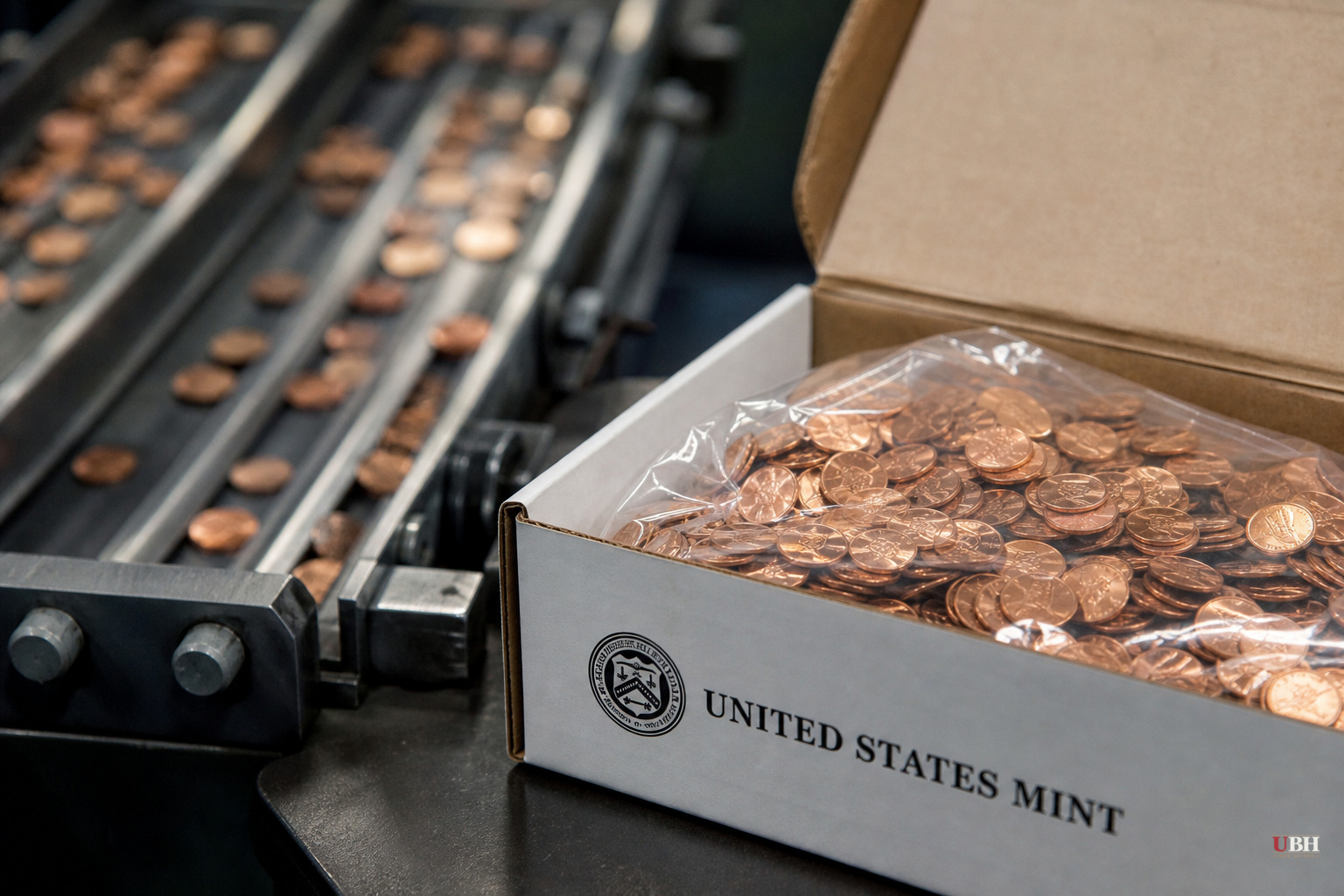
The penny is done. The U.S. Mint struck its final one-cent coin in late 2025, and now Washington is trying to clean up the mess that leaves behind.
On July 14, the House of Representatives passed the Common Cents Act, a bill that would create nationwide rules for cash transactions now that pennies are drying up. It heads to the Senate next, where according to Moneywise its future is uncertain.
Pennies cost nearly four cents each to make, according to the U.S. Mint. It's a poor return on investment for a coin nobody wants anyway. So the government stopped making them. But retailers and restaurants still need a way to handle cash purchases when they physically don't have pennies to give back in change.
Right now that's a legal gray area. Sean Kennedy, Chief Advocacy Officer for the National Restaurant Association, told CBS News that businesses can face legal liability if they can't provide exact change, even when they round in the customer's favor. A restaurant trying to do right by a customer shouldn't be exposed to a lawsuit because the federal government stopped making the coin.
The National Restaurant Association estimates inconsistent rounding practices could cost restaurants up to $168 million a year. About one in four restaurant customers still pays with cash, according to the association, so this isn't some fringe issue affecting a handful of transactions.
What the Bill Actually Does
The Common Cents Act doesn't touch pricing. Prices, taxes, and every electronic payment—debit card, credit card, Apple Pay, all of it—would still be calculated to the exact cent. Nothing changes there.
The rounding only kicks in on cash transactions, and only after the final total is calculated. So a store isn't rounding each item up or down. The full bill total gets rounded once, at the register, to the nearest five cents.
That's a meaningful distinction. It means a business can't game the system by rounding every line item in its favor. The rounding happens once, on the bottom line, and applies the same way to every cash customer.
The Fair Concern Here
There's a legitimate worry worth stating plainly: rounding, even small rounding, can add up over millions of transactions, and cash users tend to skew toward lower-income Americans who don't have credit cards or don't want the debt exposure. If rounding consistently favors the business rather than the customer, that's a real cost concentrated on people who can least absorb it.
But it's also exactly why the standardized, symmetric five-cent rounding matters. If the rule rounds to the nearest nickel rather than always rounding up, the math should wash out close to even over time for both businesses and shoppers. Neither Moneywise's reporting nor CBS News's comments from Kennedy indicate the bill mandates rounding always favor the merchant. The stated design rounds to the nearest five cents, not just upward.
Still, nobody has published independent data yet on whether rounding will average out neutrally in practice once retailers actually implement it nationwide. That remains an open question.
Where This Goes Next
The bill still needs Senate approval before it becomes law, and Moneywise reported that outcome remains uncertain. No timeline for a Senate vote has been set as of this writing.
Until then, the legal gray area Kennedy described persists. Businesses that round cash payments in a customer's favor because they're out of pennies still face potential liability in some states, and there's no federal standard forcing consistency across state lines.
The practical fix is straightforward: pass the Senate version, give retailers one clear federal rule, and stop pretending a coin that costs four cents to make a cent's worth of value still belongs in the cash register.
Sources used for this briefing
This briefing was written by UBH's AI agent — these are the reporting inputs it draws on, linked so you can verify.


