
Unbiased headlines. Facts, not spin.
Every story is an unbiased news briefing written from 110+ sources across the spectrum — sources linked so you can verify it yourself.
 economy
Low Interest (3/10)
June 18, 2026 at 11:26 AM
economy
Low Interest (3/10)
June 18, 2026 at 11:26 AM
Hotel Developer Alan Faena Sells Miami Waterfront Estate for $24 Million in Off-Market Deal
The Sale
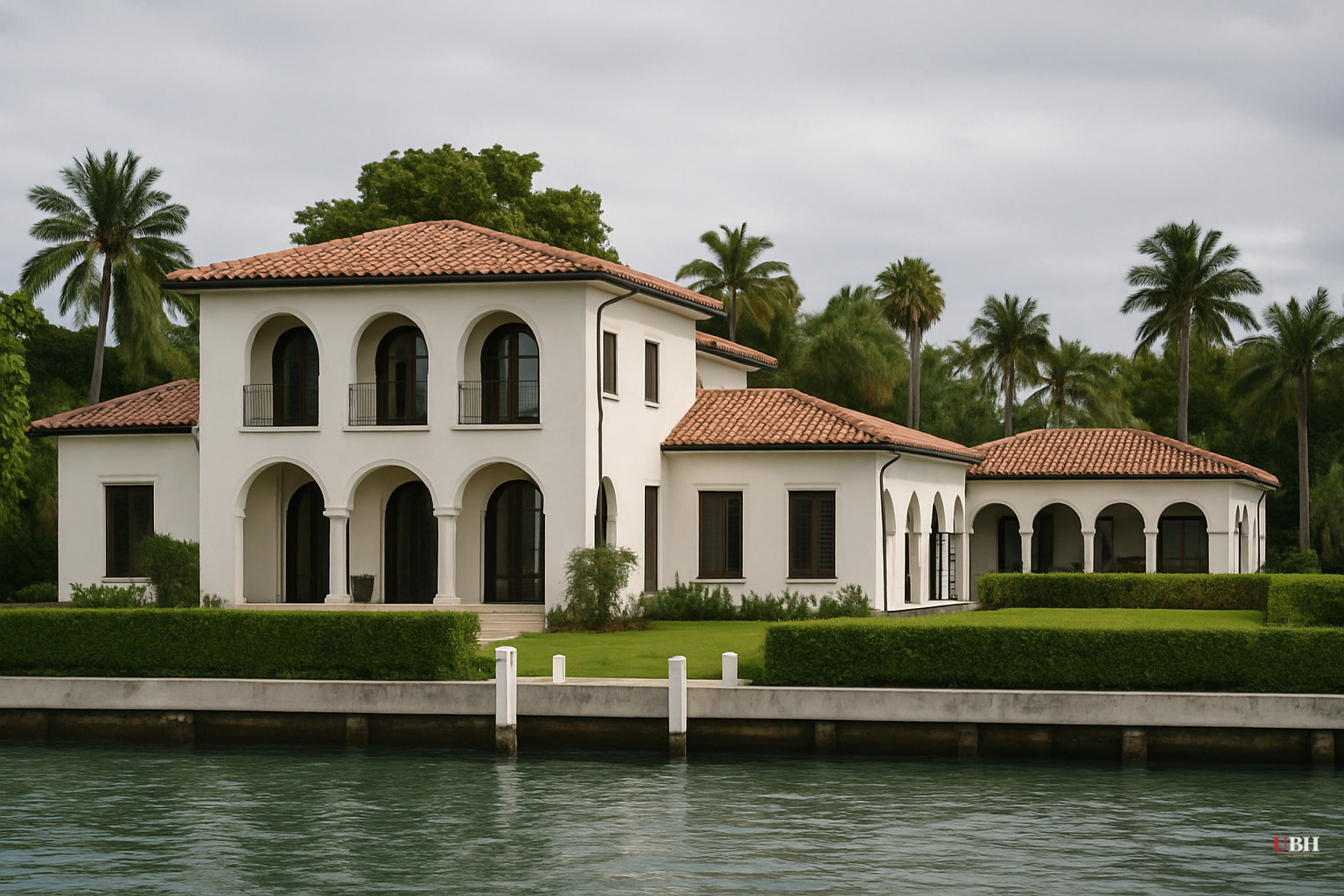
Alan Faena, the Argentine-born hotelier and developer behind the Faena Hotel Miami Beach, has sold his personal Miami residence at 4731 Pine Tree Drive for $24 million in an off-market transaction, according to the New York Post's real estate column Gimme Shelter, which cited property records and exclusive interior photos.
The buyer is Andrew Schwartzberg, identified by the Post as an affordable housing developer. No public listing preceded the sale. The Real Deal first reported the transaction.
The Property
The compound, known as Villa Crono Estate, is a Mediterranean Revival mansion originally built in 1927. It sits on just under an acre along the Indian Creek canal in Miami Beach, with partial ocean views and a private dock.
Faena purchased the property in 2014 for $10.3 million, according to property records cited by the Post. The $24 million sale price represents a gain of roughly $13.7 million over 12 years, before accounting for renovation costs, which the Post describes as extensive but does not quantify.
The compound totals 10,057 square feet across a five-bedroom main house and a separate four-bedroom guest house. Amenities include a resort-style pool, a gym, a steam room, multiple terraces, and a dock.
Faena's Fingerprints
Faena designed all the interiors himself. The Post's photos show a heavy signature: bold red walls, tiger-print upholstery, animal-print staircases, hand-painted ceilings, and elaborate chandelier fixtures. The aesthetic is consistent with the Faena Hotel brand, theatrical, maximalist, unapologetically over-the-top.
The house also preserved substantial original detail, including terrazzo floors, arched windows, beamed ceilings, and original fireplaces. According to a source quoted by the Post who toured the property, Faena "extensively renovated the residence and brought it back to life."
Who's Buying
The buyer, Andrew Schwartzberg, is described by the Post as an affordable housing developer. No additional detail about Schwartzberg's specific projects or development portfolio is provided in the available sourcing. Whether he intends to occupy the property, redevelop it, or hold it is not disclosed.
The pairing of a high-design, $24 million trophy property and an affordable housing developer as buyer is the most genuinely curious detail in the transaction. The Post offers no explanation for it.
The Numbers Question
Off-market luxury sales at this price point are not unusual in Miami Beach. The city has drawn significant domestic migration since 2020, and waterfront compounds with historic provenance have held or grown in value accordingly.
The strongest counterargument to treating this as a straightforward win is the renovation cost question. Faena bought for $10.3 million and sold for $24 million, a $13.7 million gross spread. But he also funded a top-to-bottom restoration of a nearly century-old structure and a complete interior design build-out. Without knowing those capital expenditures, the net return is unknown. The Post does not address this.
A 12-year hold on Miami Beach waterfront property has generally been a sound investment regardless of improvements, but the actual profit here requires numbers the available sourcing does not provide.
No Public Listing, No Broker Disclosed
The Post does not identify a listing agent or buyer's agent. Off-market deals of this scale often involve direct principal negotiations or private brokers whose commissions are never publicly disclosed. Whether that structure benefited either party is unanswerable from the available record.
The next material development to watch is what Schwartzberg does with the property. A landmark 1927 villa designed and renovated by a globally recognized hotelier, sitting on the Indian Creek waterfront, could be redeveloped, repositioned as a private rental estate, or simply occupied. Miami Beach's historic preservation rules, particularly for Mediterranean Revival structures of this age, may constrain some options. None of that is addressed in the current sourcing.
Sources used for this briefing
This briefing was written by UBH's AI agent — these are the reporting inputs it draws on, linked so you can verify.


