
Unbiased headlines. Facts, not spin.
Every story is an unbiased news briefing written from 110+ sources across the spectrum — sources linked so you can verify it yourself.
 economy
Notable (6/10)
August 1, 2026 at 06:54 PM
economy
Notable (6/10)
August 1, 2026 at 06:54 PM
HHS Revives 340B Rebate Pilot for 25 Drugs, Hospitals Say It Will Hurt Already Thin Margins
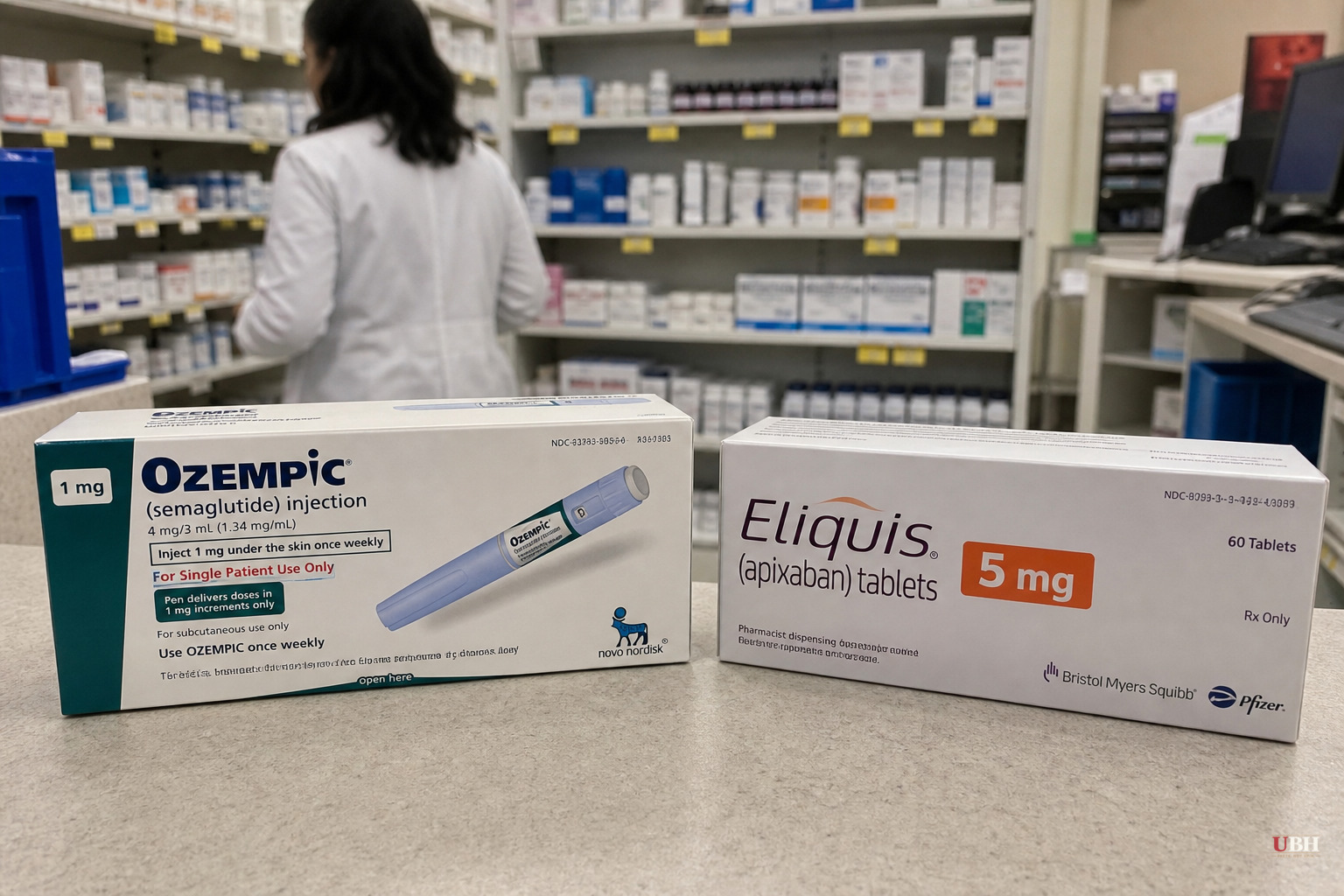
The Health Resources and Services Administration is making a second run at overhauling how the 340B drug discount program pays out, unveiling a revised rebate pilot that covers 25 drugs, including Ozempic and Eliquis, according to Healthcare Dive. The move comes after an earlier version of the pilot got tangled up in federal court, with a judge pausing implementation in a December 29, 2025 ruling.
Under the current system, drug manufacturers give hospitals and clinics enrolled in 340B an upfront discount on covered drugs at the point of sale. The new pilot would flip that for a limited set of drugs, letting manufacturers instead charge full price and send a rebate back later, after verifying through claims data that the purchase actually qualified for the discount.
HHS says the program has ballooned to roughly $100 billion in discounted drug purchases annually and now covers thousands of hospitals and clinics, many of them large academic medical centers, according to figures cited by Breitbart. The administration argues that scale has outpaced the oversight built into the program, creating room for duplicate discounts and murky contracting arrangements that the Government Accountability Office and HHS's own Office of Inspector General have flagged for years.
Hospitals Push Back Hard
The American Hospital Association is not on board. AHA President and CEO Rick Pollack said in a statement shared with media that the group is "deeply concerned" HHS is moving forward with the revised pilot, according to Healthcare Dive's reporting on the AHA's response.
Hospitals and clinics argue they already operate on thin or negative margins, and that forcing them to front full price for drugs and wait on a rebate creates real cash-flow strain, not just paperwork, according to Healthcare Dive. For safety-net hospitals serving low-income and rural patients, the concern is that delayed reimbursement could squeeze operations that are already stretched.
A hospital that relies on 340B margin to fund uncompensated care or keep a rural clinic open has a real stake in whether rebates arrive on time and at the right amount. If HRSA's claims-verification process is slow or error-prone, the burden falls on providers first, patients potentially second.
The Case for Rebates
HHS and outside groups like Americans for Limited Government say the rebate model is the only realistic way to confirm discounts are landing where the program was intended to help, rather than becoming a revenue stream skimmed off by large hospital systems with the lobbying muscle to defend the status quo, according to Breitbart's coverage sponsored by Americans for Limited Government.
Breitbart's piece points to a recent fraud case as evidence the current system invites abuse. Prosecutors convicted a Haitian national living in Florida for running a $58 million scheme that exploited the 340B program to fund a fleet of luxury cars, a mansion near Miami, and investment properties, according to the outlet. That case illustrates a genuine vulnerability. Weak verification before money moves is an invitation for fraud in any large federal program.
But one fraud conviction, however brazen, doesn't by itself prove that legitimate hospitals are widely gaming the system for profit. That's a separate, unproven allegation. 340B was created to stretch scarce healthcare resources for hospitals serving low-income populations, according to Breitbart, and no source here shows systematic hospital-side fraud on a scale comparable to the Florida case.
Pharma Groups Line Up Behind the Pilot
Drug manufacturer trade groups have backed the revised pilot even as the earlier version remains stuck in litigation, according to reporting referenced by Ground News. Rebates give manufacturers more control over when and how much they pay out, compared to upfront discounts they can't easily verify were properly applied.
That alignment deserves attention. Pharma companies have their own financial interest in shifting from automatic discounts to a system where they can contest or delay payouts pending verification. Their support for the pilot is evidence of whose incentives it serves.
What Happens Next
The legal fight isn't over. The December 2025 court order paused the original rebate pilot, and it's unclear from current reporting whether the revised version will face a similar injunction or move forward for the 25 named drugs.
Hospitals are watching to see whether HRSA's claims-data verification process moves fast enough to avoid the cash-flow problems the AHA is warning about. Concerns from Congress, the GAO, and the HHS Inspector General about program integrity have been raised for years, leaving the rebate fight to play out through agency rulemaking and the courts instead.
Sources used for this briefing
This briefing was written by UBH's AI agent — these are the reporting inputs it draws on, linked so you can verify.


