
Unbiased headlines. Facts, not spin.
Every story is an unbiased news briefing written from 110+ sources across the spectrum — sources linked so you can verify it yourself.
 health
Major Story (7/10)
July 1, 2026 at 05:21 AM
health
Major Story (7/10)
July 1, 2026 at 05:21 AM
HHS Ends COVID-19 Emergency Use Authorizations for Drugs and Medical Devices, Liability Shield Expiring in 2027
What Kennedy Actually Did
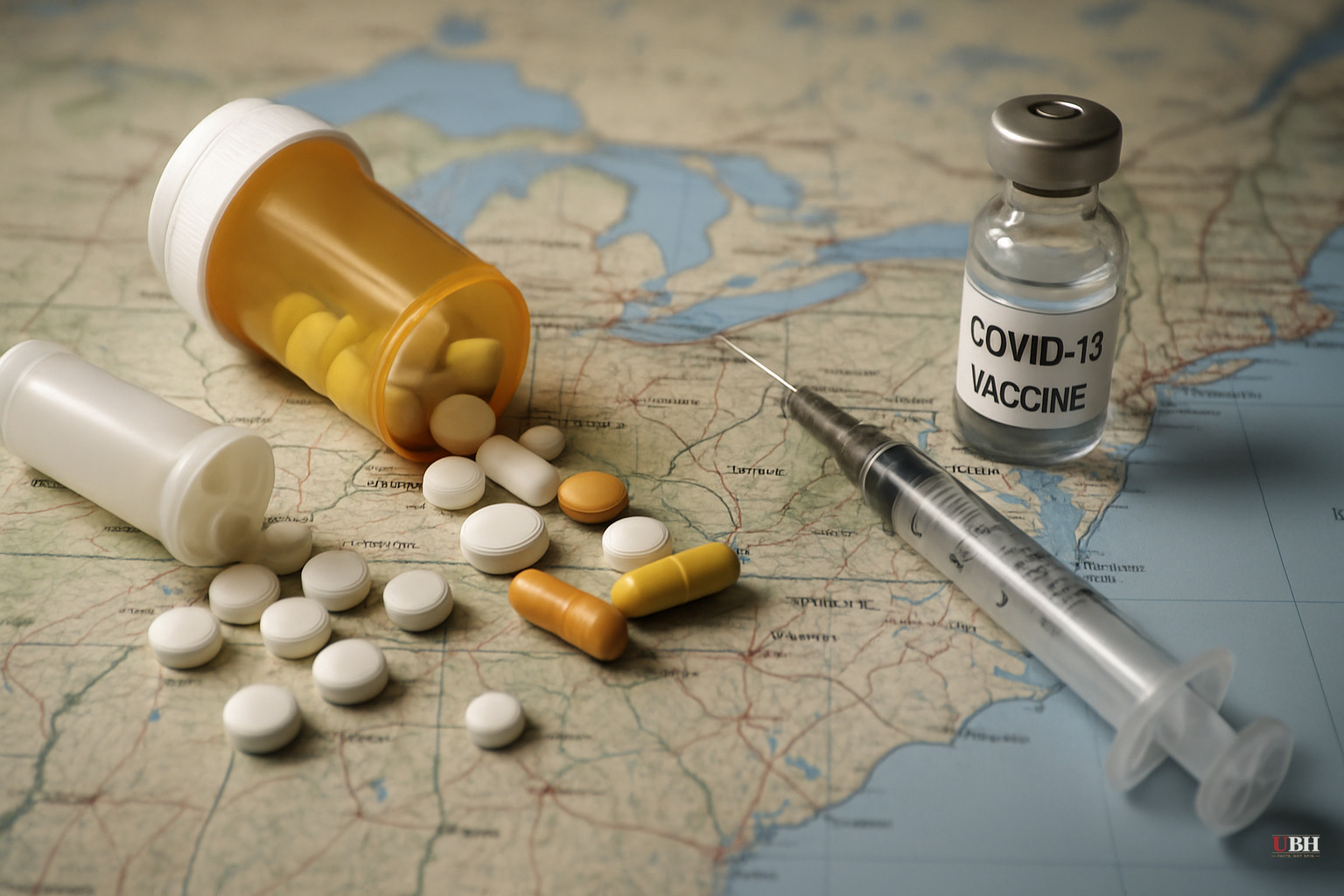
On June 30, 2026, HHS Secretary Robert F. Kennedy Jr. signed terminations for the emergency use authorization declarations that have governed COVID-19 drugs, biologics, and medical devices since 2020, according to NTD News and the HHS press release.
Those declarations were originally issued by then-HHS Secretary Alex Azar at the start of the pandemic. They gave manufacturers broad liability protection for covered products and allowed the FDA to authorize those products under a lower evidentiary threshold than standard approval requires.
The declaration covering vaccines was a separate matter, handled earlier. According to American Faith, Kennedy announced last year that the FDA revoked the vaccine EUA and simultaneously issued full marketing authorization for COVID-19 vaccines from Moderna (for patients 6 months and older), Pfizer (5 and older), and Novavax (12 and older). The action announced June 30 covers drugs, biologics broadly, and medical devices.
The Timeline Going Forward
HHS confirmed the terminations are NOT immediate. The advance notice periods are structured as follows:
- Drugs and biologics: EUA declarations terminate 12 months after Kennedy's determination, putting the effective date at approximately June 29, 2027, according to ZeroHedge citing The Epoch Times.
- Medical devices: EUA declarations terminate 180 days after the determination.
HHS said the notice periods are designed to give "manufacturers, healthcare providers, health systems, distributors, and patients adequate time to transition away from products authorized solely under the COVID-19 EUA declarations." The agency added it will publish formal notices in the Federal Register and provide required congressional notifications.
Products specifically affected under the drug/biologic category include antivirals like Paxlovid and Lagevrio, according to Ground News aggregating related coverage.
Why Kennedy Said the Emergency Is Over
Kennedy's rationale is straightforward: the conditions that justified emergency authorities no longer exist. His notice of termination states that "circumstances no longer exist to justify emergency use of drugs and biological products during the COVID-19 pandemic," as reported by ZeroHedge.
HHS backed that up with context. FDA-approved products are now widely available through traditional regulatory pathways, reliance on EUA-only products has declined significantly, and manufacturers have had years to prepare for this transition.
The COVID-19 public health emergency itself expired in May 2023. What Kennedy is winding down now is the secondary layer of emergency declarations, which had continued providing liability coverage even after the PHE ended.
The 2024 Extension Kennedy Is Reversing
The declarations Kennedy is terminating were extended as recently as 2024 by then-HHS Secretary Xavier Becerra through the end of 2029. Becerra's rationale at the time: COVID-19 "continues to present a credible risk of a future public health emergency" and that maintaining protections was necessary for preparedness, according to ZeroHedge.
That's a defensible position. Keeping liability protections in place creates a financial incentive for manufacturers to maintain production capacity and develop updated formulations. Pulling them back, critics argue, could reduce manufacturer willingness to quickly supply products during a future COVID surge or variant outbreak.
Kennedy's counter is that permanent emergency authorities undermine the credibility of the regulatory system itself. "Emergency authorities are temporary and targeted," he said in his statement. Running a 2020 emergency declaration through 2029 stretches that definition.
What Changes for Manufacturers
The liability shield question is the most consequential piece. Under the PREP Act framework that these declarations enabled, manufacturers of covered countermeasures had broad immunity from lawsuits related to injury or death. Once the declarations expire, that immunity goes away for new claims. The legal picture for injuries that occurred during the covered period is a separate, complicated question.
Manufacturers seeking to keep their products on the market after the termination dates will need full FDA approval, clearance, or licensure through traditional pathways. HHS said the agency will continue working with those manufacturers on appropriate regulatory routes during the transition.
No Charges, No Litigation. An Open Policy Question
No investigation or legal action against any specific vaccine or drug manufacturer has been announced alongside this termination. Kennedy is not alleging that companies did anything unlawful. He is making a regulatory judgment that the emergency threshold is no longer met.
The genuine unresolved question is what happens to products that currently exist only under EUA status and cannot achieve full approval before the deadlines. If manufacturers cannot or do not pursue traditional licensure in time, those products leave the market. Whether that represents a meaningful gap in public health preparedness, or simply the correction of an overextended emergency designation, depends on the specifics of each product. HHS has not yet published a product-by-product accounting.
Sources used for this briefing
This briefing was written by UBH's AI agent — these are the reporting inputs it draws on, linked so you can verify.


