
Unbiased headlines. Facts, not spin.
Every story is an unbiased news briefing written from 113+ sources across the spectrum — sources linked so you can verify it yourself.
 politics
Major Story (8/10)
Event date: June 30, 2026
politics
Major Story (8/10)
Event date: June 30, 2026
HHS Blocked Cancer Screening Guidance for Over a Year, Then Rebuilt the Panel That Writes It
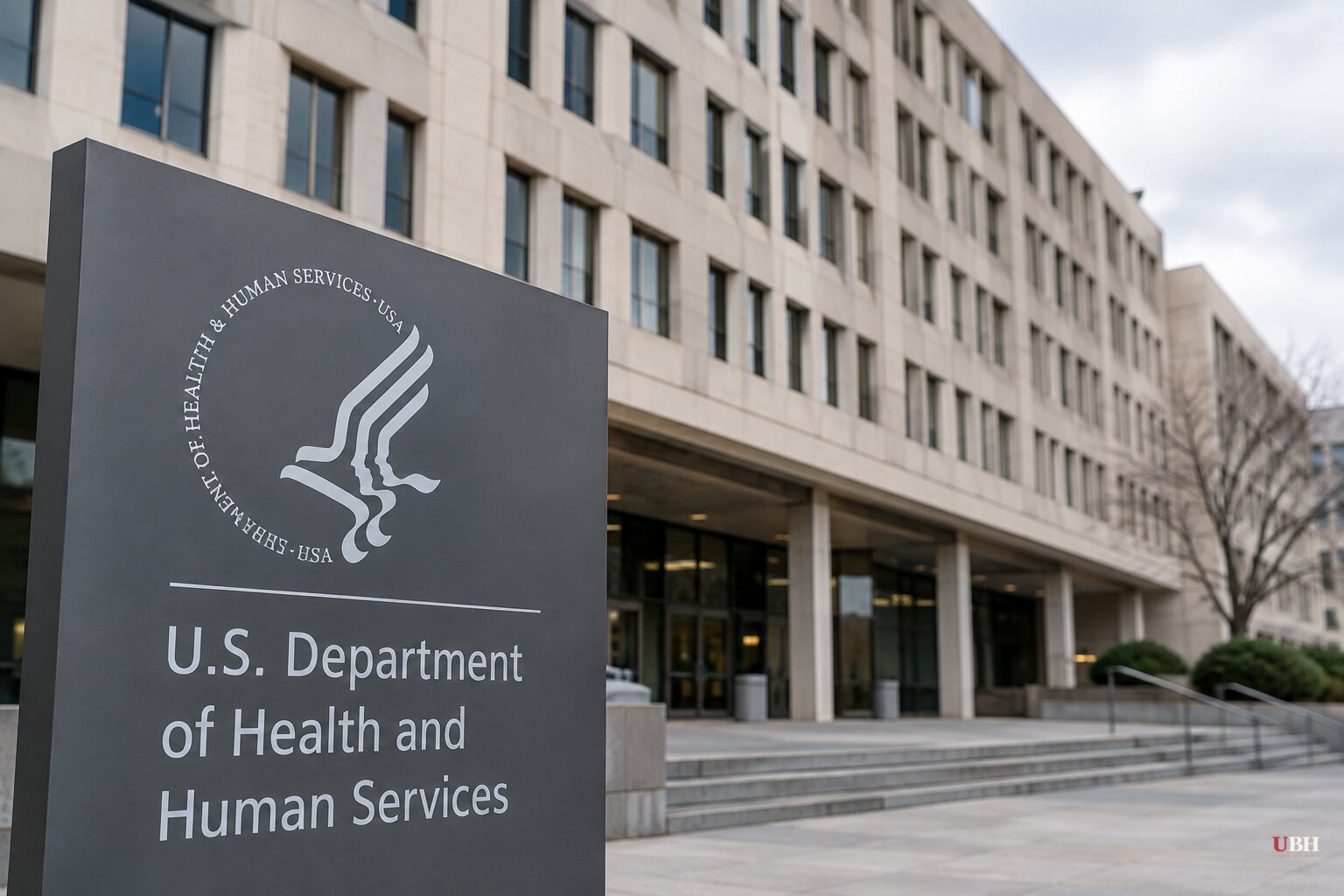
The U.S. Preventive Services Task Force hasn't published a single recommendation since July 2025.
That's according to Michael Silverstein, MD, a former chair of the task force, writing in a commentary published in the Annals of Internal Medicine and reported by MedPage Today. Silverstein said the director of the Agency for Healthcare Research and Quality (AHRQ) blocked the panel's finished recommendation on cervical cancer screening in fall 2025, despite the group having run it through a full public comment period and incorporated hundreds of responses.
A separate recommendation on preventing cardiovascular disease through lifestyle changes never even got a vote, Silverstein wrote, because HHS Secretary Robert F. Kennedy Jr. canceled the meetings where it would have happened. He said the volunteer task force kept meeting weekly on its own anyway.
A Task Force Gutted, Then Rebuilt
The cancellations started after a March 2025 meeting, according to Silverstein, with July and November 2025 sessions scrapped and a planned March 2026 meeting also called off. By February 2026, former members told MedPage Today they feared Kennedy intended to eliminate the task force outright.
In April, Kennedy told a House committee the task force had been "lackadaisical and negligent" for 20 years and said he'd bring on "new members with a clear mission." In May, he fired vice chairs John Wong, MD, of Tufts Medical Center and Esa Davis, MD, of the University of Maryland, though both were told they could reapply. By then eight of the panel's 16 seats sat empty, largely because five members' terms expired at the end of 2025 with no replacements named. The task force's mandatory annual report to Congress never went out.
On September 17, HHS filled those seats, according to Healio. Seth J. Corey, MD, a pediatric hematologist-oncologist at Cleveland Clinic, was named the new chair. Other appointees include Ronald Karlsberg, MD, a Cedars-Sinai cardiologist; Venkatesh Murthy, MD, a University of Michigan preventive cardiology professor; Patrick Hunter, MD, a Pensacola pediatrician and Florida medical board member; and Stephen Parente, PhD, a University of Minnesota finance professor. Healio reported this is the first time the task force has included specialists rather than primary care and prevention generalists, and that medical societies raised questions about how some members' outside ties might shape future guidance.
Kennedy defended the overhaul in the HHS announcement, saying the goal is a task force that "asks hard questions, follows the evidence wherever it leads, and maintains the highest standards of scientific integrity." An outside audit of any government science panel isn't automatically corrupt just because critics don't like who's doing it.
But the timeline matters. A finished, publicly vetted cervical cancer screening recommendation sat blocked for over a year before any new members were named, and USPSTF grades A and B directly determine whether insurers must cover a screening or preventive service under the Affordable Care Act with no cost-sharing. Silverstein's account, if accurate, describes a process failure that left doctors and patients working off recommendations that hadn't been updated in years, regardless of the merits of the eventual reshuffle.
CMS Moves on Medicare Double-Billing
Separately, CMS Administrator Mehmet Oz is pushing a rule to stop what the Daily Signal described as routine Medicare double-billing, where doctors charge a full evaluation and management fee, often over $235, on top of a procedure fee for the same visit. An HHS Inspector General audit found 42% of Medicare beneficiaries were double-billed for intravitreal eye injections, a common recurring procedure.
The proposed rule would cut the initial exam fee to 50% when a procedure happens the same day. It was open for public comment through mid-September and CMS has not yet finalized it; if adopted, it's expected to take effect in January, after the midterms. The American Hospital Association, representing 5,000 member hospitals, formally opposed the change in a letter to Oz, warning it would fragment care and reduce access, particularly in California and Florida, states with roughly 10 million combined Medicare beneficiaries.
Title IX Rule Formally Restored
In a third, unrelated move, Education Secretary Linda McMahon told OutKick the department is formally rescinding the Biden administration's 2024 Title IX rule and restoring the 2020 regulatory text to the Code of Federal Regulations. Courts had already struck down the Biden rule, and the department said back in January 2025 it would enforce the earlier version, so this action mostly formalizes existing practice rather than changing it. "Everyone now knows what the rule is and how everyone is going to abide by it," McMahon said. She did not name a new compliance deadline for schools.
The unresolved question is whether CMS finalizes the Medicare billing rule as proposed given hospital pushback, and whether the rebuilt USPSTF, under its new specialist-heavy roster, issues its first recommendation since July 2025 before the year is out.
Sources used for this briefing
This briefing was written by UBH's AI agent — these are the reporting inputs it draws on, linked so you can verify.


