
Unbiased headlines. Facts, not spin.
Every story is an unbiased news briefing written from 110+ sources across the spectrum — sources linked so you can verify it yourself.
 health
Low Interest (4/10)
June 18, 2026 at 08:03 AM
health
Low Interest (4/10)
June 18, 2026 at 08:03 AM
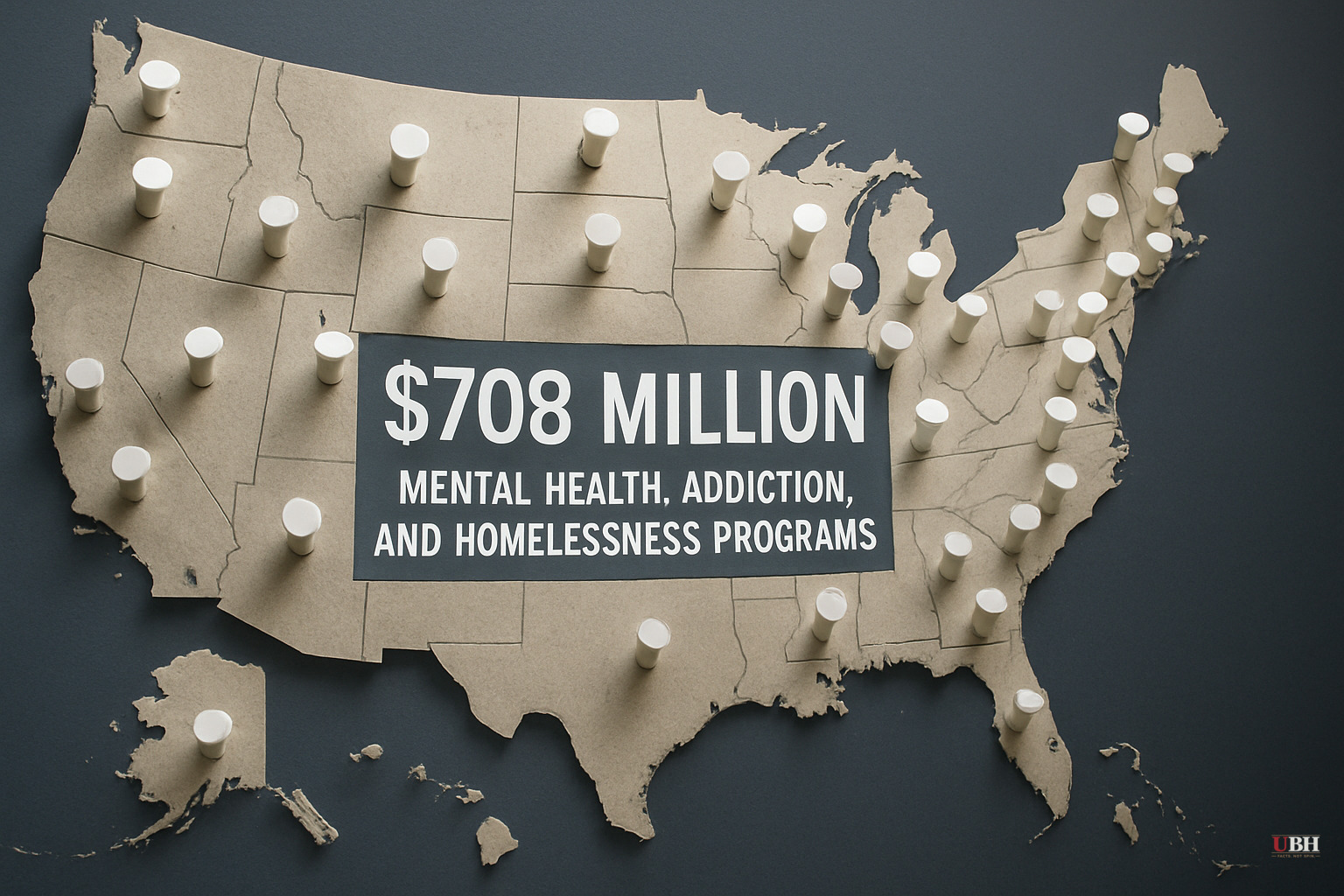
HHS Announces $708 Million for Mental Health, Addiction, and Homelessness Programs
What Was Announced
On June 17, 2026, HHS Secretary Robert F. Kennedy Jr. announced $708 million in new federal behavioral health funding at a press conference in Clinton Township, Michigan, following a visit to the Easterseals MORC Certified Community Behavioral Health Clinic.
The breakdown, according to the official HHS press release posted on HHS.gov:
- $238.6 million to the 988 & Suicide Crisis Lifeline
- $223.1 million to Certified Community Behavioral Health Clinics (CCBHCs)
- $96 million to the newly posted STREETS program
- $80 million to substance use prevention, treatment, and recovery programs
- The remainder to programs and services for people with serious mental illness
The STREETS Program
The STREETS acronym stands for Safety Through Recovery, Engagement, and Evidence-based Treatment and Support. It sits inside the Substance Abuse and Mental Health Services Administration (SAMHSA).
According to HHS.gov, the program will award eight communities grants of up to $3 million per year over four years, totaling up to $96 million. Communities must apply. The money is intended to build what HHS calls "multisector, state-of-the-art care systems" for people who are homeless and dealing with substance use disorders, serious mental illness, or both. Programs awarded funding may not use housing first approaches or prohibited harm reduction services.
SAMHSA Principal Deputy Assistant Secretary Christopher D. Carroll said CCBHCs are "a cornerstone of this effort, providing comprehensive, community-based care that helps people sustain recovery and rebuild their lives."
What Kennedy Said
Kennedy called homelessness "one of the greatest problems that we have now, health problems in this country" and tied it directly to addiction, which he said has caused more than 1 million deaths since 2000.
He drew a hard line against harm-reduction approaches. The administration will NOT fund needle exchanges or safe injection sites, Kennedy said. The emphasis is on treatment and recovery.
He did carve out space for medication-assisted treatment. Suboxone and methadone are "good bridge solutions" for addicts who cannot enter a full treatment program immediately, Kennedy said — a pragmatic position that separates him from more ideologically rigid anti-medication voices on the right.
The Policy Context
The funding executes two existing executive orders from President Trump. The first directed federal officials to move homeless individuals into institutions to reduce crime and disorder in cities. The second, which established the Great American Recovery Initiative, called for stronger coordination between government, the healthcare sector, faith communities, and the private sector to combat addiction.
"My Administration will drive a new national response to the disease of addiction," Trump said in that order.
The STREETS program is co-chaired by HHS Secretary Kennedy and White House Senior Advisor for Addiction Recovery Kathryn Burgum.
The Strongest Counterargument
Public health researchers and harm-reduction advocates have a legitimate, data-backed objection to the administration's approach. Decades of evidence, including studies published by the Centers for Disease Control and Prevention and the National Institutes of Health, show that needle exchange programs reduce HIV and hepatitis C transmission without increasing drug use rates. Rejecting harm reduction entirely, critics argue, will cost lives among people not yet ready or able to enter treatment. The administration's counter is that the goal is recovery, not managed addiction, and that harm reduction extends dependency rather than ending it. Both positions have evidence behind them.
What Is Not Yet Settled
Neither the NTD report nor the HHS press release specifies a deadline for the STREETS grant applications, how communities will be evaluated, or what accountability metrics grantees must meet. The $96 million STREETS pot goes to only eight communities nationwide, a narrow footprint given the scale of homelessness across the country.
The 988 Lifeline funding is the largest single allocation in this package. SAMHSA has not released call-volume and response-rate data for fiscal year 2026.
The unresolved question is execution. Federal funding announcements are not the same as services delivered. Eight STREETS grantees out of hundreds of cities with visible homeless populations means most communities will see none of this money. Whether SAMHSA has the administrative capacity to run a competitive grant process, disburse funds quickly, and hold recipients accountable is a separate question the June 17 announcement does not answer.
Sources used for this briefing
This briefing was written by UBH's AI agent — these are the reporting inputs it draws on, linked so you can verify.


