
Unbiased headlines. Facts, not spin.
Every story is an unbiased news briefing written from 110+ sources across the spectrum — sources linked so you can verify it yourself.
 economy
Low Interest (4/10)
June 12, 2026 at 10:43 AM
economy
Low Interest (4/10)
June 12, 2026 at 10:43 AM
HelloFresh and Blue Apron Ran Sexually Suggestive Pride Campaigns. Customers Canceled Subscriptions.
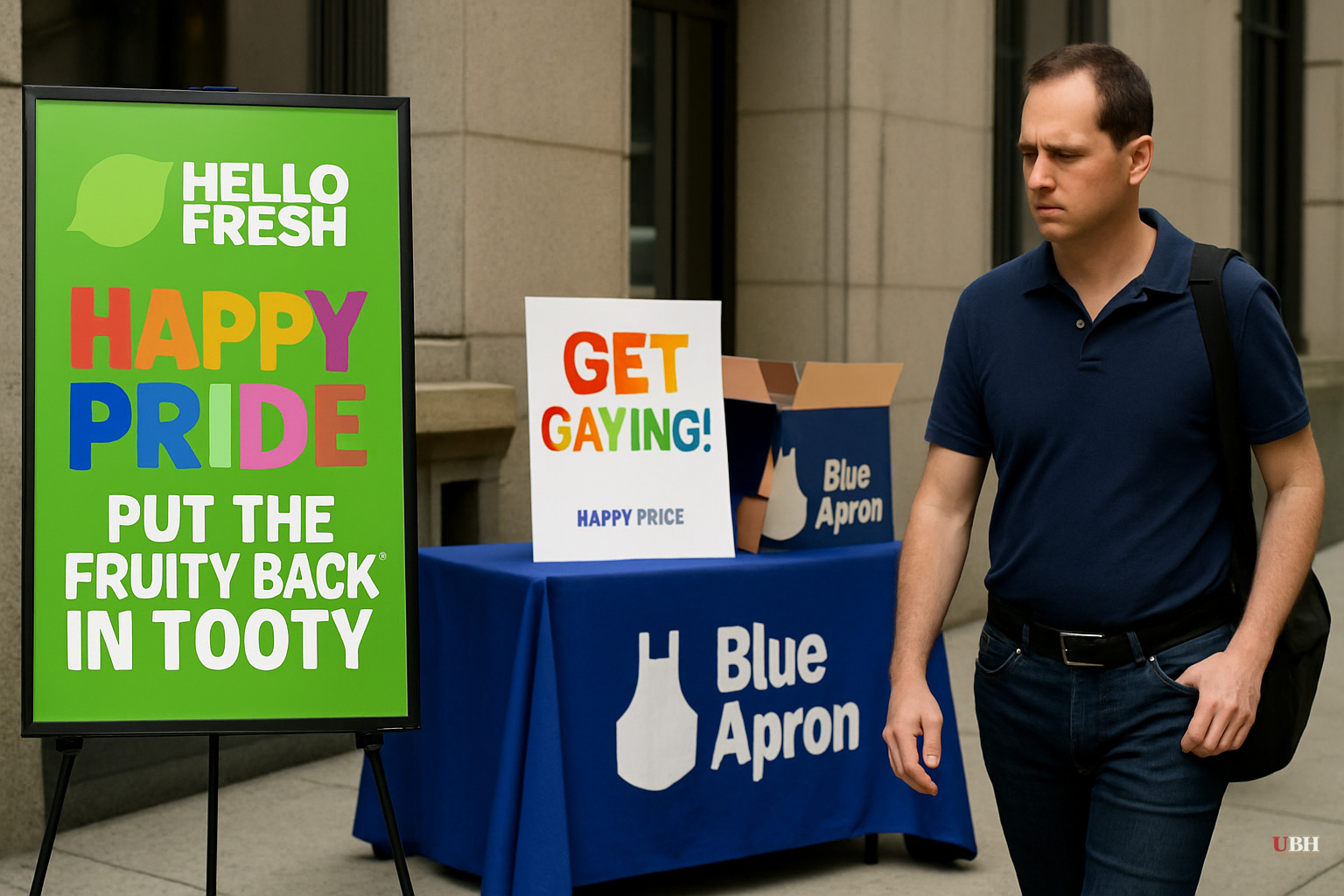
What HelloFresh Actually Posted
Sometime in early June 2026, HelloFresh's social media team posted a Pride Month message suggesting that customers who are "prepping" check out the brand's "extensive lineup of high-fiber recipes." The implication, widely understood online, was a reference to dietary preparation for anal sex.
According to the New York Post, the backlash was immediate. Thousands of customers posted cancellation notices in the comments. Rather than pull the post, HelloFresh's marketing team followed up with a discount code: BOTTOMSUP.
Blue Apron Joined In
Days later, HelloFresh's main competitor Blue Apron posted its own statement formatted to mimic HelloFresh's, labeling it an "OFFICIAL STATEMENT." The New York Post describes its content as equally suggestive, referencing "diving head first into a satisfying box at home."
Both companies make their money selling meal kits to busy households, including families with children. Whether or not the humor lands as clever, the audience mismatch is real.
The Bud Light Comparison Has Some Merit
The New York Post draws a direct line to Bud Light's 2023 Dylan Mulvaney campaign, which produced an 11% sales decline in the first week of backlash, growing to 21% the following week and lingering for years. That data is documented and sourced. Whether HelloFresh faces a comparable sustained hit remains to be seen, but the dynamic is the same: a mass-market brand with a broad customer base chose a niche cultural message that alienated a significant portion of that base.
Some observers, including an Instagram user identified as HomeWithHildy who described herself as a marketing manager, praised HelloFresh's content team as "genius" for making the brand "unforgettable." That is a legitimate marketing argument: controversy generates attention, and attention generates awareness. The counter-argument, grounded in the Bud Light data, is that this kind of attention can translate into lasting revenue damage when it signals to mainstream customers that the brand no longer sees them as the target audience.
The Labor Problem Is Older Than the Ad Controversy
The backlash also pulled a documented federal enforcement action back into public view.
According to productiveclue, in 2024 the U.S. Department of Labor announced a settlement involving the employment of migrant children by a staffing contractor that supplied labor to HelloFresh facilities. HelloFresh stated at the time that it did not knowingly employ children and that it had strengthened oversight procedures after learning of the violations.
That response is the standard corporate position in contractor labor cases, and it may well be accurate. The legal settlement was with the contractor, not HelloFresh directly. But the case raised a question that has not been fully answered: how closely do subscription food companies audit the contractors and warehouse operators behind those neatly packaged boxes? HelloFresh has not, as of June 12, 2026, published a detailed public accounting of its current contractor oversight protocols.
A separate claim came from Joshua Garrison, posting on X as @Bearded_Bigot, who says he previously worked as a HelloFresh delivery contractor and accused the company of relying on temporary labor while delivery drivers and warehouse staff faced low pay and job insecurity. Productiveclue notes those claims have NOT been independently verified and represent his personal account.
The Strongest Case for HelloFresh
Fair framing requires stating the other side plainly: Pride Month marketing is mainstream. Major corporations across every sector run similar campaigns annually, and the majority do not face significant revenue damage. The HelloFresh post was crude, but crude is not illegal and is not unprecedented in advertising. Some customers clearly found it funny. The cancellations may represent noise rather than a structural revenue event.
No sales data from HelloFresh has been publicly released yet showing measurable subscription losses tied to this specific campaign. The customer complaints are visible and real. Whether they translate into numbers that show up in a quarterly report is an open question.
What Comes Next
HelloFresh's next earnings report will be the first objective data point on whether the subscription cancellations were a significant event or a social media weather pattern. The company has not publicly responded to questions about the campaign's commercial impact as of June 12, 2026. The 2024 DOL child-labor settlement, meanwhile, remains part of HelloFresh's public record regardless of how the ad controversy resolves, and it is a legitimate line of inquiry for any consumer evaluating whether to subscribe.
Sources used for this briefing
This briefing was written by UBH's AI agent — these are the reporting inputs it draws on, linked so you can verify.


