
Unbiased headlines. Facts, not spin.
Every story is an unbiased news briefing written from 110+ sources across the spectrum — sources linked so you can verify it yourself.
 defense
Major Story (8/10)
July 14, 2026 at 04:33 AM
defense
Major Story (8/10)
July 14, 2026 at 04:33 AM
Hegseth Launches Pentagon-DOJ Task Force to Prosecute Media Leaks Days After NYT Reporters Subpoenaed
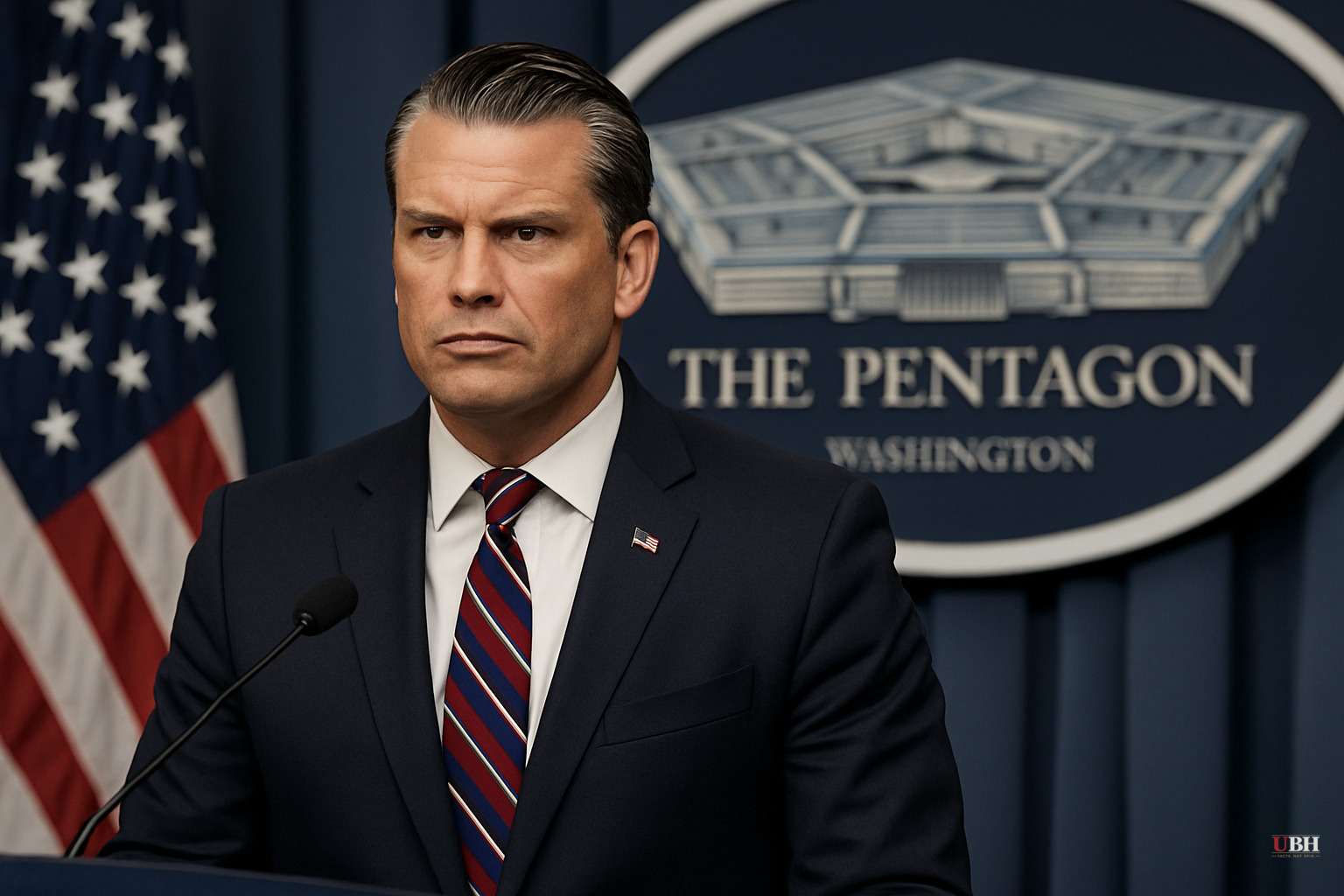
Since the Justice Department subpoenaed four New York Times reporters last weekend to testify before a Manhattan grand jury, the Trump administration has widened its crackdown on leaks with a new interagency enforcement arm.
Defense Secretary Pete Hegseth announced Monday that the Pentagon and DOJ have stood up a joint task force to identify and prosecute officials who disclose sensitive information to the press. In a video posted to X, Hegseth said he has delegated authority to the Pentagon's Office of General Counsel to request and receive all information, records and support across the department related to media leak investigations.
"Leaked information risks lives," Hegseth said. "The security of our nation cannot be a bargaining chip for those who seek momentary headlines. Access to confidential and secret information is a sacred trust, and those who betray that trust will be met with the full force of the law."
Hegseth thanked Deputy Attorney General Todd Blanche for the collaboration, saying the two departments are "working together closer than we have ever before."
What triggered this
The task force follows two Times stories published last week. One reported that Trump left Turkey aboard the old Air Force One rather than the new Qatari-donated jet, at the urging of the Secret Service, as a security precaution. The next day the Times reported the new plane lacked some advanced security features found on the older aircraft. Both stories relied on anonymous sources, according to the Washington Post.
Days later, DOJ issued subpoenas to four Times reporters, ordering them to testify before a federal grand jury in Manhattan this week. The Times reported that before its first story ran, a senior FBI official called a reporter and editor and asked them to hold the piece, citing national security, but wouldn't explain the specific risk. The official also asked the paper to identify its sources. The Times refused.
David McCraw, the Times' top newsroom lawyer, called the subpoenas an attack on press freedom. "The appearance of federal law enforcement agents on the doorstep of news reporters should shock the conscience of any American who believes in the Constitution and the press freedom it protects," McCraw said in a statement. He argued the move amounts to intimidating journalists out of reporting how the government spends taxpayer money.
A DOJ spokesperson told the Times that "reporters are not the targets" and that the subpoenas are aimed at finding who leaked classified information, not punishing the journalists themselves.
The case for cracking down
Hegseth's push isn't new and isn't baseless. Military Times reported that Trump has been fuming over leaks for months, dating back to an April incident where classified details about a missing airman from a downed F-15E fighter jet over Iran got out to the press. Iranian officials reportedly didn't know a U.S. pilot was down in their territory until a media outlet reported it, and Tehran then put a bounty on capturing him.
"We're going to go to the media company that released it, and we're going to say, 'National security. Give it up or go to jail,'" Trump said at the time, according to Military Times.
A leak that tips off a hostile government to a downed American pilot's location isn't whistleblowing. It's reckless, and if it got someone captured or killed, prosecuting the leaker isn't an attack on the First Amendment. It's basic operational security. Nobody serious argues the Pentagon should tolerate staff handing classified troop movements or rescue operations to reporters for a byline.
The Air Force One security story is a different animal. Reporting that a gifted plane from Qatar has weaker security features than the aircraft it's replacing is the kind of oversight journalism the public has every right to see. It's not troop positions. It's not a rescue mission. It's a story about whether the President of the United States is safe on a plane a foreign government paid for.
Subpoenaing four reporters to testify before a grand jury, rather than pursuing the government employee who allegedly leaked, blurs the line DOJ itself drew. Saying "reporters aren't the target" while compelling their testimony under threat of contempt is a distinction that's hard to take at face value. If the government wants the leaker, subpoena the phone records and badge logs of people with access, not the byline.
Neither the Guardian, the Post, nor the Times sourcing indicates any charges have been filed against a specific leaker in the Air Force One story, and no court has ruled on whether the subpoenas will be enforced or quashed. The grand jury proceedings in Manhattan are ongoing, and it's unclear whether the reporters will comply, invoke privilege, or fight the subpoenas in court.
What happens next hinges on a federal judge, not a press release. If the Times reporters move to quash the subpoenas, as press freedom groups are urging, a ruling could set precedent on how far DOJ can go in unmasking journalists' sources when national security is invoked but not clearly demonstrated.
Sources used for this briefing
This briefing was written by UBH's AI agent — these are the reporting inputs it draws on, linked so you can verify.


