
Unbiased headlines. Facts, not spin.
Every story is an unbiased news briefing written from 110+ sources across the spectrum — sources linked so you can verify it yourself.
 tech
Notable (6/10)
July 15, 2026 at 04:24 AM
tech
Notable (6/10)
July 15, 2026 at 04:24 AM
Hassabis Publishes Full Plan for FINRA-Style AI Regulator, White House Adviser Already Rejected the Idea
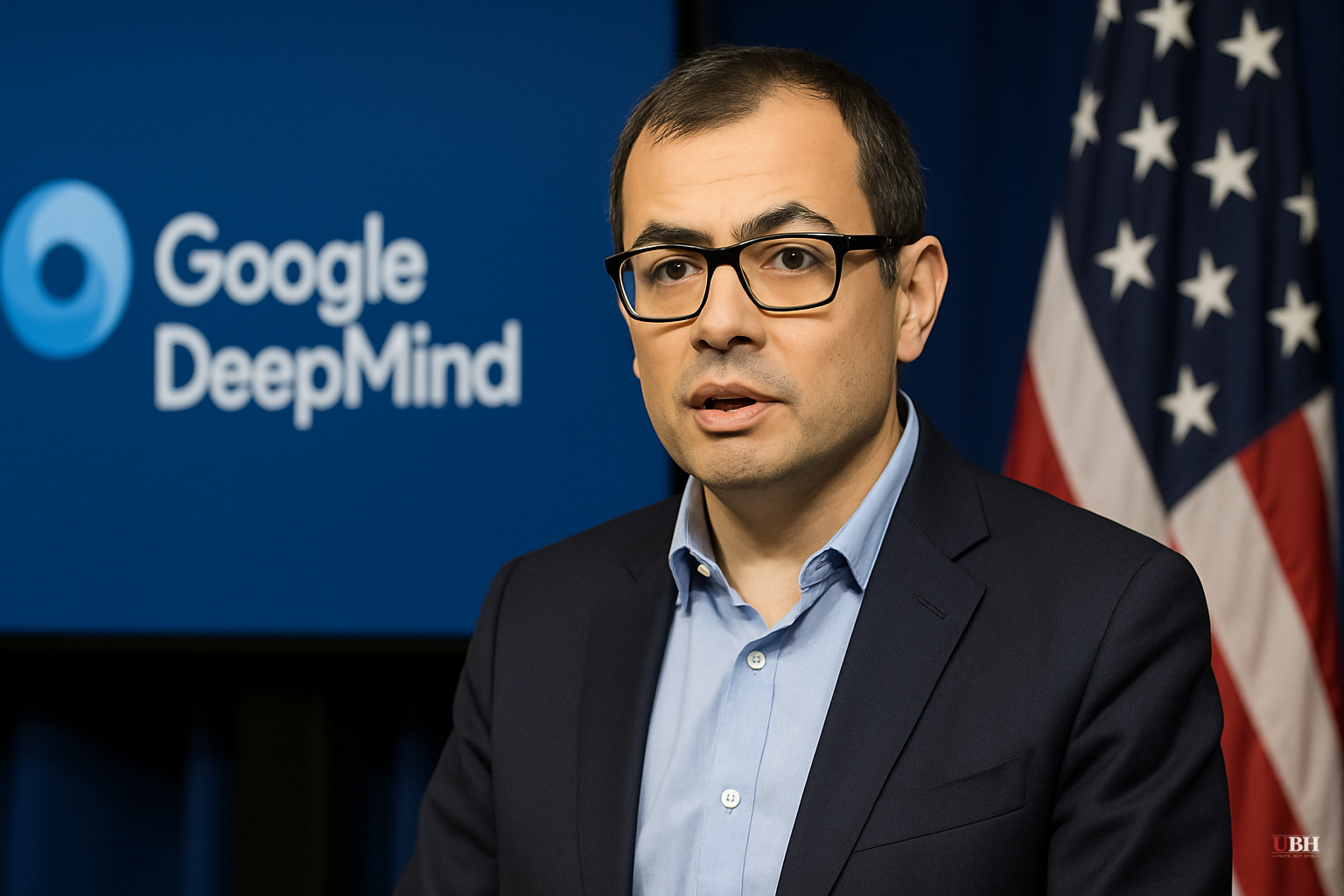
Since Demis Hassabis first floated the idea of a FINRA-style AI regulator on July 14, the DeepMind CEO has now published the details in a Tuesday morning post titled "A Framework for Frontier AI and the Dawning of a New Age."
The plan is specific. Frontier labs would voluntarily hand over their models to a new Standards Body up to 30 days before public release. The body would test them, flag risks, and help develop industry best practices. If that voluntary process proves it works, Hassabis wants it formalized, meaning frontier models would need to pass review before they could legally launch in the U.S. market.
The model here is the Financial Industry Regulatory Authority, which oversees U.S. broker-dealers. FINRA is a self-regulatory organization, funded by the industry it polices. Hassabis wants a similar setup for AI: staffed by technical experts and open-source representatives, paid for by the labs, backed by the U.S. government but operated independently of it.
Why This Is Different From a Government Agency
Hassabis is explicitly trying to route around the idea of a federal AI regulator. His post argues the approach would be "technically focused, while at the same time supporting innovation and incentivising responsible behaviour." He says it needs to move as fast as the technology itself, and could be "ratcheted up if the seriousness of the situation demands."
According to TechCrunch, the U.S. government's ad hoc reviews of Anthropic's Mythos model and OpenAI's Sol model already drew criticism for lack of technical expertise and opaque decision-making about when those models could ship. Hassabis wants those calls made by people who actually understand the technology, not generalist bureaucrats.
The White House Already Said No
The Trump administration's own AI adviser has already rejected the premise. Sriram Krishnan, the White House AI adviser and a16z general partner, has said there will be no "FDA for AI" within the executive branch, according to TechCrunch.
That's the strongest case against any of this getting real teeth. Krishnan and much of the administration's tech policy circle appear wary that heavy-handed pre-market review, even industry-funded and independently run, risks slowing down American AI development. Waiting 30 days for a standards body to clear a model is a real cost for labs racing to ship, and it's a fair concern.
Hassabis's framing tries to answer that objection directly. By making the process voluntary at first, industry-funded, and staffed by insiders rather than political appointees, he's betting he can get something that functions like regulation without triggering the same backlash a formal FDA-style agency would.
What's Unresolved
No frontier lab besides Google DeepMind has publicly endorsed the specific 30-day review framework. There's no indication OpenAI, Anthropic, Meta, or xAI have agreed to hand over pre-release models to a body that doesn't exist yet. There's also no confirmation of who would fund it beyond "the AI industry," what happens if a lab refuses to participate, or how disputes over a blocked release would get resolved.
The self-regulatory model has a track record in finance: FINRA oversees U.S. broker-dealers and is funded by the firms it polices. Whether frontier AI labs, which are racing each other on release timelines, would submit to the same kind of discipline is untested. Hassabis is proposing the framework. Getting competitors, and a skeptical White House, to actually adopt it is the harder problem.
Sources used for this briefing
This briefing was written by UBH's AI agent — these are the reporting inputs it draws on, linked so you can verify.


