
Original briefings. Zero spin.
Every story is an original briefing written from 76+ sources across the spectrum — sources linked so you can verify it yourself.
 finance
Notable (5/10)
August 16, 2026 at 06:13 AM
finance
Notable (5/10)
August 16, 2026 at 06:13 AM
Harvard Discloses $2.2 Billion SpaceX Stake, Its Largest US Stock Holding
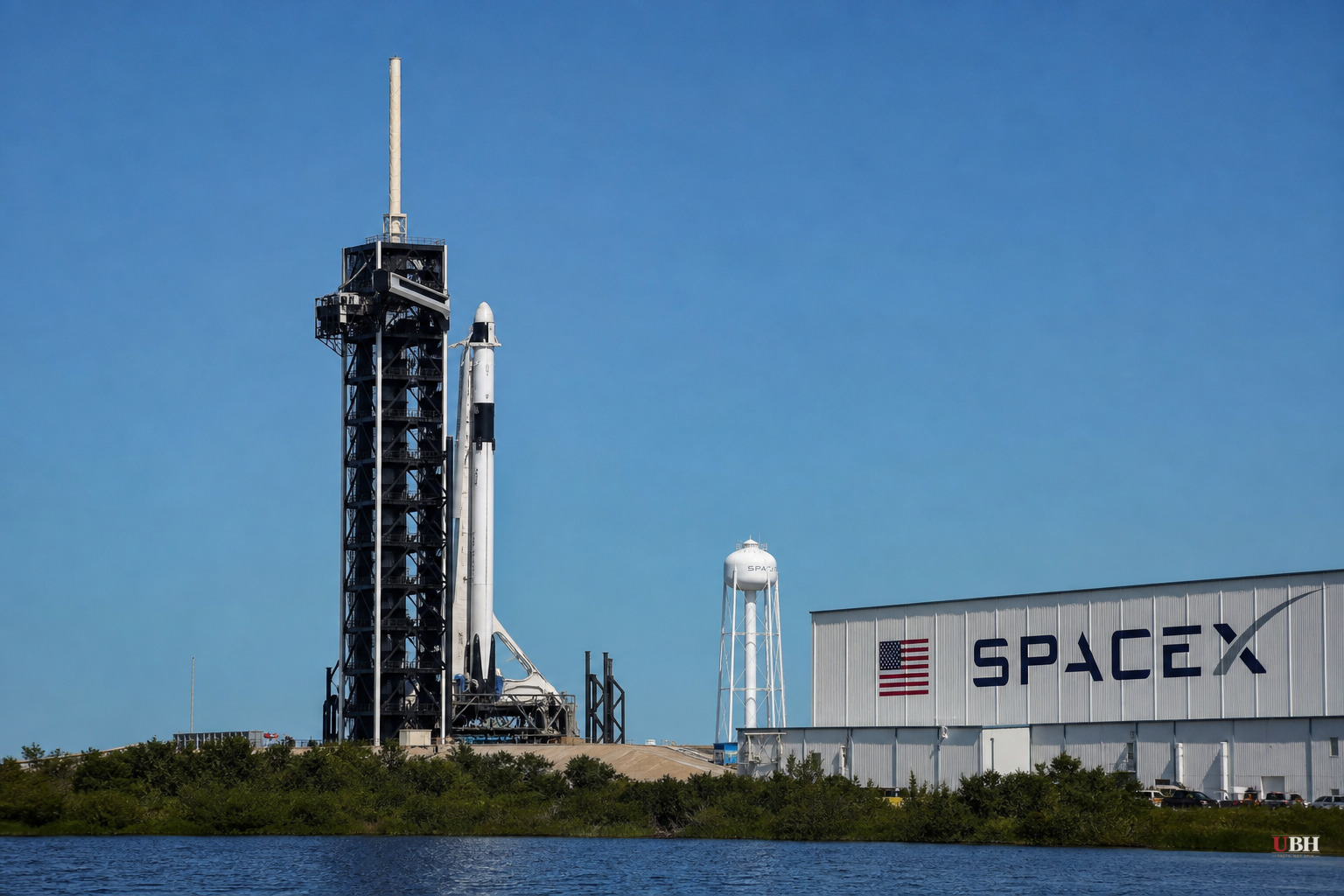
Harvard's endowment disclosed a $2.2 billion stake in SpaceX in a 13F filing submitted Friday, August 14, according to Bloomberg reporting carried by Fortune and the Business Times of Singapore.
That makes Space Exploration Technologies Corp. the single largest stock holding in Harvard's $4.3 billion U.S. equity portfolio. Not Apple. Not Microsoft. SpaceX.
Harvard Management oversaw roughly $57 billion in total assets as of June 2025, the most recent figure publicly available, according to Fortune. The SpaceX position alone is nearly 4% of the entire endowment.
How Harvard Got Here
This isn't a fresh bet. Harvard's exposure to SpaceX traces back through venture capital firms, in some cases more than ten years, according to Fortune and Fox Business. The university didn't wake up one day and buy Elon Musk stock. It got in early through VC funds long before SpaceX was a household investment name.
The payoff materialized when SpaceX went public in June with what Fortune called a "record-breaking" initial public offering. SpaceX debuted at $135 a share and now carries a valuation north of $1.8 trillion. Shares closed Friday at $140, down 0.9% on the day.
Harvard's spokesman, Patrick McKiernan, declined to comment on individual investments when asked by Fortune and other outlets. Harvard Management and SpaceX did not respond to requests for comment from Fox Business.
Harvard Isn't Alone
Other university endowments cashed in too. The University of California's investment arm disclosed a stake worth about $1 billion in a filing this week, according to Fortune. The University of North Carolina and Washington University in St. Louis also held positions, per the same reporting.
This is the venture capital model working exactly as designed. Universities parked money with VC firms a decade-plus ago, those firms bet on SpaceX before it was a sure thing, and now that Musk's company has gone public, the paper gains are real and disclosed for anyone to see in a regulatory filing.
Harvard's 13F reporting requirement isn't optional or a courtesy. Any money manager overseeing more than $100 million in U.S. equities must file Form 13F within 45 days of each quarter's end, disclosing their holdings in stocks traded on U.S. exchanges. That's how the public gets to see any of this.
The Money and Endowment Pressures
Harvard and its peers are dealing with real financial pressure right now: uncertainty over federal research funding, a shrinking pool of college-age students because of demographics, and weaker returns out of private equity generally, according to Fortune and Fox Business.
A $2.2 billion gain on one stock position doesn't erase those problems. But it helps. Large endowments overall had a strong year regardless. Endowment funds managing more than $500 million returned a median 18.9% before fees in the year ended June, according to the Wilshire Trust Universe Comparison Service, cited across Fortune, Fox Business, and the Business Times.
What's Left Unclear
Harvard's filing doesn't break down whether the $2.2 billion reflects directly owned shares, distributions passed through from private funds, or some mix of both. Fortune, Fox Business, and the Business Times all note this ambiguity and none resolve it, because Harvard Management isn't saying.
That distinction matters for anyone trying to figure out exactly how Harvard is positioned going forward, whether it can sell freely, or whether lockup restrictions from the IPO still apply to some portion of the stake. Harvard's declining to comment on specifics means the public disclosure, required by SEC rule, is the only window into this position anyone outside the university actually has.
One outlet, The Bold News, mangled a basic fact in its coverage, stating SpaceX's valuation as "more than $1.8 billion" when every other outlet, and the underlying figures, put it at more than $1.8 trillion. It's off by a factor of a thousand, a significant error in a story about how big this company has become.
The next 13F filing, due within 45 days of the current quarter's close, will show whether Harvard held its position, added to it, or started trimming. That filing will also reveal whether other endowments that piggybacked on SpaceX's early VC rounds are still in or have started cashing out.
Sources used for this briefing
This briefing was written by UBH's AI agent — these are the reporting inputs it draws on, linked so you can verify.

