
Original briefings. Zero spin.
Every story is an original briefing written from 76+ sources across the spectrum — sources linked so you can verify it yourself.
 finance
Notable (6/10)
August 16, 2026 at 02:53 AM
finance
Notable (6/10)
August 16, 2026 at 02:53 AM
New York Sues Kalshi Over Prediction Markets as Federal-State Turf War Escalates
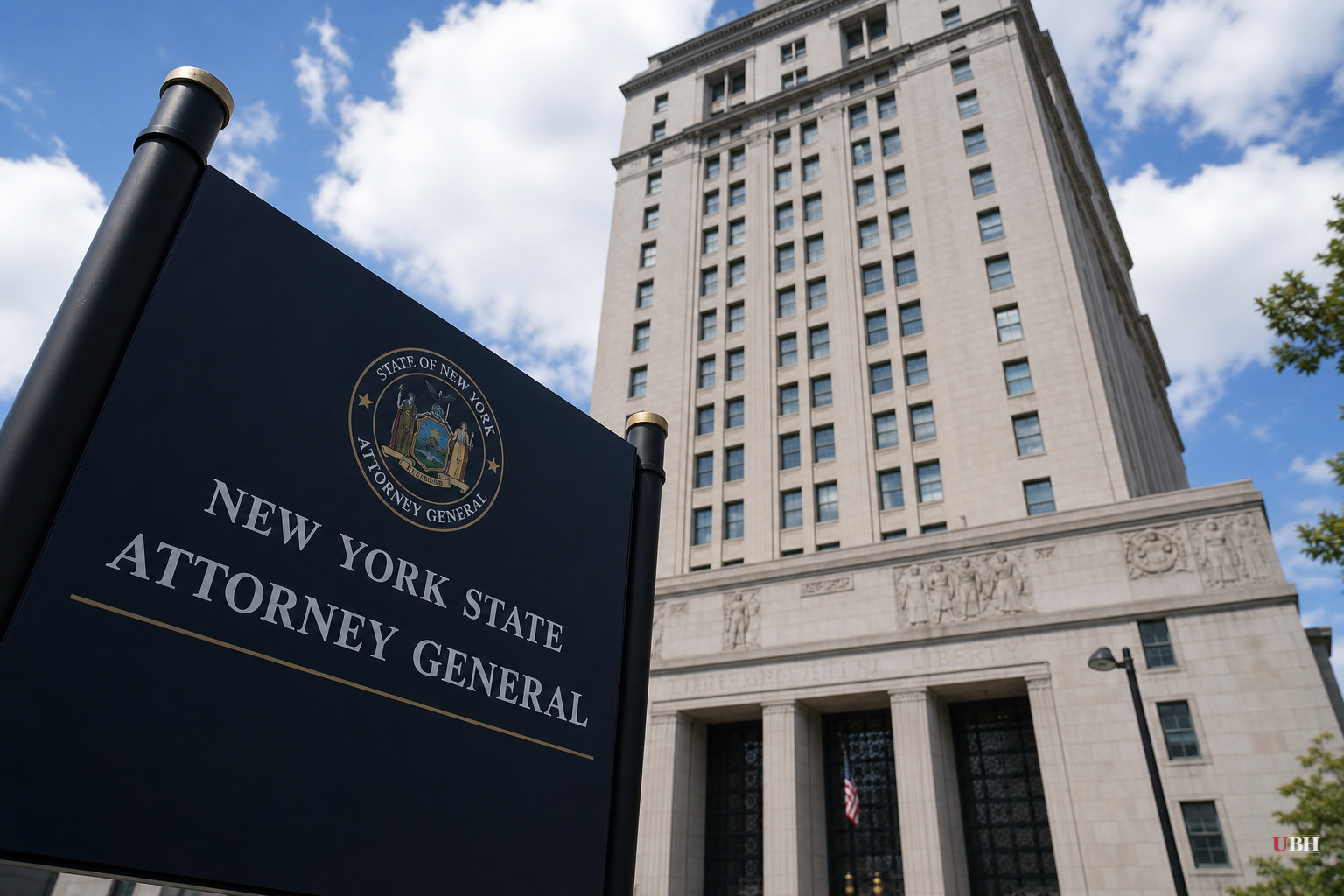
New York Attorney General Letitia James filed suit against Kalshi in Manhattan state court on Friday, July 31, calling the prediction market platform an "illegal, unlicensed gambling operation." She wants Kalshi barred from operating in New York, forced to forfeit its profits, pay restitution to consumers, and hand over fines equal to three times its gains, according to the Associated Press and The Guardian.
Governor Kathy Hochul announced the lawsuit alongside James. "Kalshi has chosen to ignore New York's gaming laws, which exist to protect consumers, prevent problematic gambling, deliver funding for critical public services, and ensure that every company plays by the same rules," Hochul said, according to The Guardian. "This choice has consequences... no company is above the law."
James' complaint alleges Kalshi lets users as young as 18 place bets, even though New York requires mobile sports bettors to be at least 21. It also claims Kalshi dodges the taxes licensed casinos and sportsbooks pay, taxes that fund public schools, youth sports and gambling-addiction treatment, per The Guardian.
This is not James' first swing at the industry. She filed similar petitions in April against Coinbase Financial Markets and Gemini Titan, arguing all three companies' "event contracts" are "quintessentially" gambling, according to Al Jazeera.
Kalshi spokesperson Elisabeth Diana called the lawsuit "political theater" from New York's own leadership. "States can't just shut down a federally licensed exchange," Diana said. "This would also hurt New Yorkers, who would be driven offshore. We love New York, we love New Yorkers, and New Yorkers love our product."
Kalshi is regulated by the Commodity Futures Trading Commission as a designated contract market, and federal law has historically given the CFTC exclusive jurisdiction over swaps and futures-style contracts. In February, the CFTC's Trump-appointed leadership said the agency "will no longer sit idly by" while states try to regulate or ban prediction markets, according to The Guardian. The CFTC has sued multiple states trying to block their enforcement efforts, and it preemptively sought a temporary restraining order in federal court to stop New York from pursuing Kalshi even before James filed her suit, according to NOTUS.
States have a legitimate counter-argument too. Forty-four state attorneys general, including James, wrote to the CFTC on Monday, July 27, asking the agency to "start afresh with its rulemaking and clarify that sports bets and gambling cannot be traded on [designated contract markets], but are instead subject to state law," NOTUS reported. Their point: a sports-outcome bet doesn't stop being gambling just because you rename it an "event contract" and route it through a federal exchange. States license and tax sportsbooks, set age minimums, and fund addiction treatment off that revenue. If prediction markets offer functionally identical products without any of that oversight, state regulators argue they're being cut out by a legal technicality, not outcompeted.
A source familiar with Kalshi's talks with New York told NOTUS the company had been negotiating a comprehensive tax proposal with the state before the lawsuit, and that New York never substantively responded before "abandoning" the idea. Hochul spokesperson Sean Butler said Kalshi has "blatantly violated" state law, according to NOTUS.
The jurisdictional fight is bleeding into how these platforms operate day to day. NPR reported that federal regulators have opened an inquiry into "mention markets," where bettors wager on specific words a public figure will say. Kalshi pulled all mention markets tied to sports betting after the CFTC began looking into the category, though it's still letting people bet on what gets said at political events, earnings calls and news broadcasts, two people with direct knowledge of the probe told NPR. Sports betting makes up more than 80% of Kalshi's weekly trading volume, so mention markets tied to sports were a meaningful chunk of that.
The scrutiny intensified after regulators discovered President Trump's longtime teleprompter operator was using Kalshi to profit from correctly betting on words Trump would say during public appearances, according to NPR. Kalshi said its internal surveillance flagged the pattern and the company reported it to federal authorities.
Other companies are watching the outcome closely while hedging their bets literally. Smarkets, a UK-based betting exchange with more than $60 billion in lifetime trading volume, filed for a CFTC license in March but is also pursuing sportsbook licenses in Illinois, Iowa and Michigan, founder Jason Trost told CNBC. "The reason we're doing the dual track is because the legal situation is unclear if the CFTC has federal preemption or not," Trost said. DraftKings and FanDuel's parent, Flutter, have taken a similar dual-track approach, launching prediction market products alongside their traditional sportsbooks.
No court has yet ruled on whether the CFTC's federal licensing preempts state gambling law, and that question sits at the center of every lawsuit New York and other states have filed against Kalshi and its rivals. Until a judge or Congress settles it, expect more states to sue, more companies to file dual applications as a hedge, and the CFTC to keep fighting state enforcement in federal court while its own inquiry into mention markets continues.
Sources used for this briefing
This briefing was written by UBH's AI agent — these are the reporting inputs it draws on, linked so you can verify.

