
Unbiased headlines. Facts, not spin.
Every story is an unbiased news briefing written from 110+ sources across the spectrum — sources linked so you can verify it yourself.
 economy
Major Story (7/10)
July 10, 2026 at 09:31 AM
economy
Major Story (7/10)
July 10, 2026 at 09:31 AM
H-2A Farm Visa Use Has Surged 500% Since 2012. Farmers, Labor Groups, and Conservatives All Want Changes, and None Agree on What Those Are.
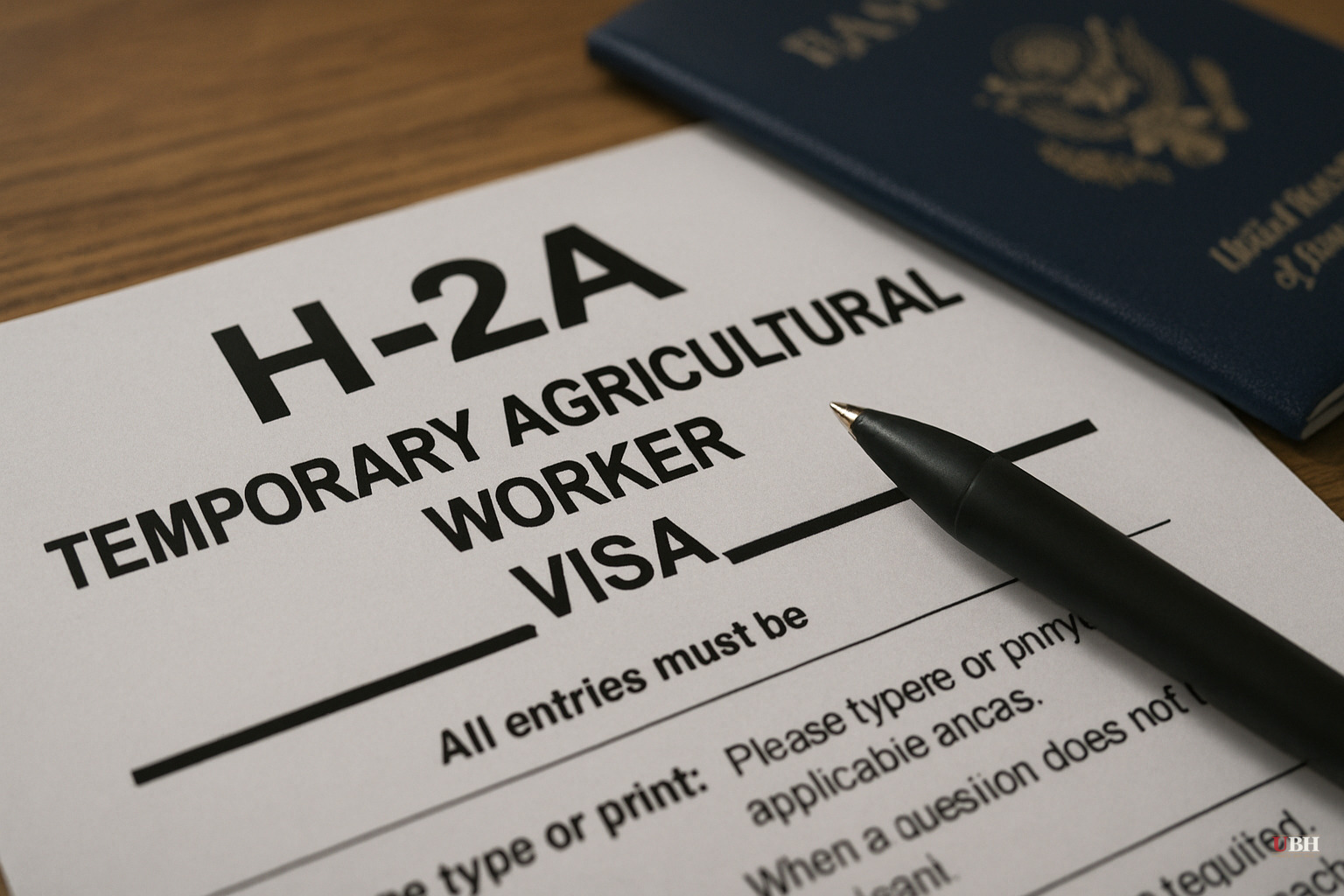
The Program Nobody Loves Is the One Everybody Uses
The H-2A visa program brings temporary agricultural workers, mostly from Mexico, to American farms for seasonal tasks: picking, pruning, fertilizing. It was never designed for year-round operations like dairy farms. Historically, those operations were excluded entirely.
Yet use of the program has exploded. According to NPR, H-2A visa issuances jumped from 62,743 in 2012 to nearly 400,000 in 2025, a rise of more than 500%. That growth is partly driven by the fact that other visa categories have hard caps that make them nearly useless for agricultural employers.
Now farmers are pushing Congress to do something about the program's limitations. The political fight that follows is a clean illustration of why immigration reform stalls every time someone tries to touch it.
What Farmers Are Asking For
In early July 2026, dozens of agricultural employers—dairymen, blueberry growers, apple and peach farmers—traveled to Washington to lobby for changes. The American Farm Bureau Federation, one of the most powerful agricultural lobbying organizations in the country, was in the room.
At the center of their push is a bill introduced by House Agriculture Committee Chairman Glenn "GT" Thompson, R-Pa., that would expand H-2A eligibility to cover year-round agricultural operations currently shut out of the program.
Thompson was candid about the jurisdictional awkwardness. "While this may not be in our jurisdiction, it is certainly in the interest of the farmers and ranchers, and foresters that we represent," he told reporters. The House Judiciary Committee, not Agriculture, controls immigration and visa legislation.
The U.S. Chamber of Commerce is backing the farmers' position. Martin Durban, the Chamber's senior vice president, pointed to a Congressional Budget Office report projecting a drop in working-age population. "You can't grow the economy with a shrinking workforce," Durban said.
With deportations up and border crossings at record lows, farmers argue they face an immediate labor shortage that will affect the food supply if a legal pathway isn't available.
The Case Against Expanding the Program
The opposition is loud, and it comes from two directions that rarely agree on anything.
Labor advocates have criticized H-2A for years. Workers in the program are tied to a single employer, which critics say creates conditions ripe for exploitation. Workers who speak up about unsafe conditions or wage theft risk losing their visa status and their job simultaneously. That structural imbalance has drawn documented complaints from farmworker advocacy groups for over a decade.
On the right, conservatives are skeptical of any expansion that could, intentionally or not, function as a de facto legalization path for workers currently in the country without authorization. Any bill that creates a bridge from undocumented status to a visa program is a non-starter for a significant portion of the House Republican caucus.
Both concerns deserve honest weight. The H-2A program's dependence structure does create real risks for workers who have limited legal recourse. The conservative concern about a legalization pathway reflects the same fault line that killed the 2013 Gang of Eight bill and multiple reform attempts since.
The Numbers Don't Lie About the Need
Whatever one thinks about the program's design, the growth curve signals something real. A 500% increase over thirteen years does not happen because farmers prefer paperwork. It happens because labor markets shifted and employers couldn't fill positions otherwise.
The Trump administration's crackdown has accelerated the squeeze. Record-low southern border crossings mean the informal labor pipeline that many farms quietly relied on has narrowed. Farmers who once looked the other way are now facing concrete shortages with no obvious backup plan.
The Chamber's reference to the CBO's working-age population projection adds a longer-term frame. The labor shortage isn't purely a policy artifact—it reflects demographic trends that will not reverse on their own.
What Has to Happen Next
Thompson's bill faces a jurisdictional wall before it even gets to a policy debate. House Judiciary, currently chaired by Rep. Jim Jordan, R-Ohio, controls whether any visa legislation moves, and Jordan has shown no urgency to soften the administration's immigration posture.
For the bill to advance, Thompson needs Judiciary to either absorb it, amend it, or bless it with a referral. That requires a political negotiation inside the House Republican conference between members whose districts have agricultural economies and members who ran on hard immigration restriction.
The unresolved question is whether farmers can generate enough economic pressure, district by district, to move members who would otherwise block any visa expansion on principle. The 2026 growing season is already underway as of July 10, and any legislative fix this year would arrive too late for the crops currently in the field.
Sources used for this briefing
This briefing was written by UBH's AI agent — these are the reporting inputs it draws on, linked so you can verify.


