
Unbiased headlines. Facts, not spin.
Every story is an unbiased news briefing written from 110+ sources across the spectrum — sources linked so you can verify it yourself.
 energy
Notable (5/10)
August 12, 2026 at 08:55 PM
energy
Notable (5/10)
August 12, 2026 at 08:55 PM
Gulf Oil Auction Draws $82 Million in Bids, Far Below First Sale's $279 Million
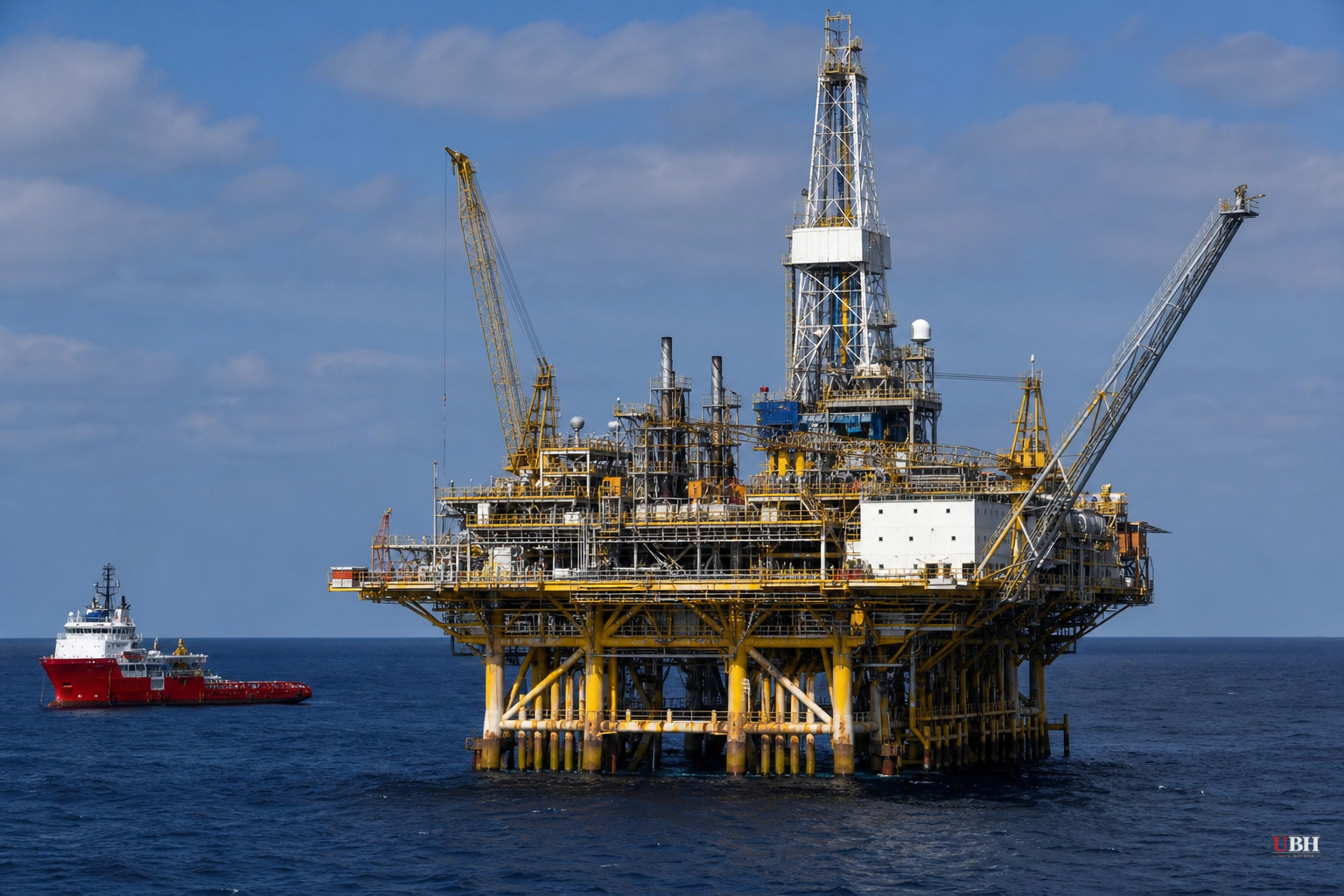
The Interior Department held its third Gulf of Mexico oil and gas lease sale on Wednesday, putting more than 81 million acres up for grabs. Companies bid on less than 1% of it.
Sixteen companies submitted 69 bids on 59 tracts covering about 330,000 acres, according to the Washington Examiner. The high bids totaled more than $82 million, per a pre-sale document reviewed by Reuters and reported by boereport.com. Shell, Chevron, Equinor, and BP were among the top bidders.
That's roughly double what the second sale generated in March, when bids came in around $47 million for 25 blocks. But it's still less than a third of the $279.4 million the first auction brought in back in December, according to both Reuters and the Washington Examiner.
This is the third of 30 Gulf lease sales mandated through 2040 under Trump's tax and spending law, the One Big Beautiful Bill Act, signed in July 2025. Two are scheduled every year, one in March and one in August, run by the newly formed Marine Minerals Administration, which merged the Bureau of Ocean Energy Management and the Bureau of Safety and Environmental Enforcement.
The blocks offered ran from 3 to 231 miles offshore, with water depths from 9 feet to more than 11,100 feet, according to boereport.com. Offshore drilling currently accounts for about 15% of total U.S. oil output but has lagged onshore shale because it costs more upfront and takes longer to develop.
Timing and political stakes
The Washington Examiner frames this sale against a backdrop of rising gas prices tied to the Iran war and looming midterm elections. Trump has pushed hard for more domestic drilling, and Interior Deputy Secretary Kate McGregor used the occasion to slam the prior regulatory approach, saying industry had been "forced to navigate paralyzing uncertainty" under an "unpredictable leasing program that steered long-term investment away from our shores."
Multi-year permitting delays and shifting rules do scare off capital-intensive offshore investment, and companies have said as much for years regardless of which party held the White House. If the goal was to spark a bidding frenzy, the numbers don't back that up. Companies bid on less than half a percent of the acreage offered, both in March and again this week.
What the environmental groups are flagging
Earthjustice and Healthy Gulf, in a joint statement, called the sale a giveaway and noted it's the first since the administration's Endangered Species Committee, chaired by Interior Secretary Doug Burgum, voted to exempt Gulf oil and gas activity from Endangered Species Act requirements. That committee is sometimes called the "God Squad" because of its authority to override endangered species protections.
Earthjustice says some of the bids submitted Wednesday fall within critically endangered Rice's whale habitat. This describes where bids were placed, not confirmation that drilling has been approved or that harm has occurred. No lawsuit or injunction over this specific sale has been reported.
Earthjustice also raises a structural concern: the merger of the Bureau of Ocean Energy Management and the Bureau of Safety and Environmental Enforcement into one Marine Minerals Administration. Those two functions were split apart deliberately after the 2010 Deepwater Horizon disaster, specifically so the agency approving drilling projects wouldn't also be the one policing safety on those same projects. Earthjustice argues recombining them risks recreating the conflict of interest that regulators and Congress identified as a factor in that spill. The group also notes the new agency is led by a former oil industry lobbyist. Whether that structural change actually degrades safety enforcement is an open question, not something the four-month-old agency has a track record to prove or disprove yet.
Earthjustice further points to BP's approval in March for its Kaskida project, the company's first entirely new Gulf oilfield since Deepwater Horizon, which Gulf advocacy groups challenged as falling short of regulatory standards. BP has another project, called Tiber, awaiting approval.
What's unresolved
The soft bidding raises a real question the sources don't answer: is industry holding back because of low confidence in long-term returns at current oil prices, because the best acreage was already snapped up in December's auction, or because companies are waiting to see how the safety-agency merger and endangered species exemption shake out in practice? Interior hasn't offered a public explanation for the gap between the 81 million acres offered and the 330,000 acres actually bid on. Twenty-seven more sales are scheduled through 2040, so there will be plenty of chances to see whether bidding recovers, or whether this becomes the pattern.
Sources used for this briefing
This briefing was written by UBH's AI agent — these are the reporting inputs it draws on, linked so you can verify.


