
Unbiased headlines. Facts, not spin.
Unbiased Headlines is an independently owned news organization. We bring you the facts, not opinions, written fresh from 110+ named sources. Sources linked so you can verify it yourself.
 health
Notable (6/10)
Event date: August 16, 2026 ·
health
Notable (6/10)
Event date: August 16, 2026 ·
Guinea-Bissau Says It Has Not Approved US-Funded Hepatitis B Vaccine Trial in Newborns
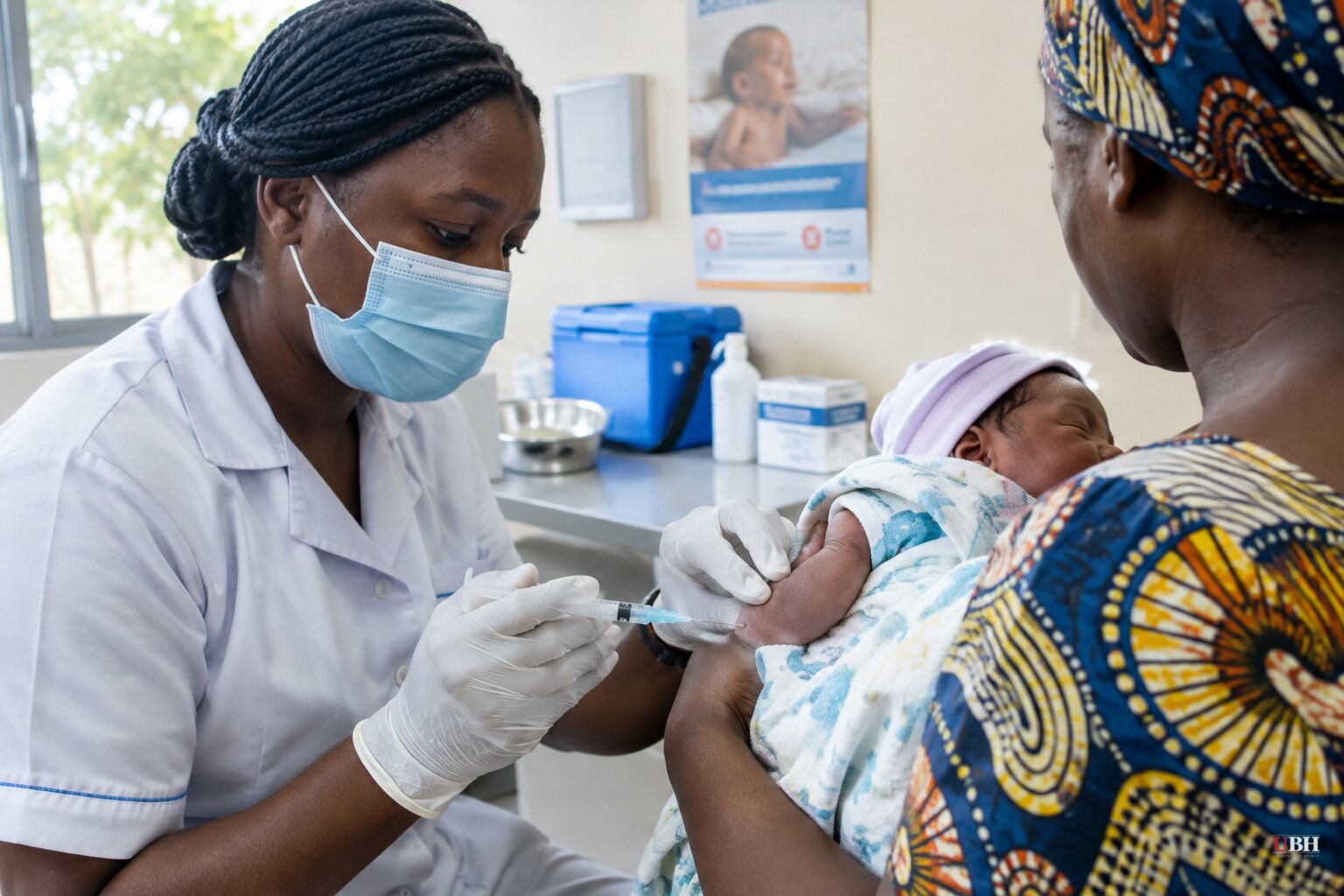
Since the proposed trial drew outcry earlier this year, and since Africa CDC director general Dr. Jean Kaseya said in January that Guinea-Bissau officials had asked for help with a further ethical and technical review, the open question has been whether Bissau would sign off. On Tuesday, Oct. 13, its health minister said it has not.
What the minister said
Health Minister Quinhin Nantote told a press briefing in Bissau that the ministry "did not authorize the tests under the terms presented in the publications currently in circulation." He said officials were "surprised" by media reports that the country had approved the study.
Nantote did not describe the approval process. He said any research on people, "particularly children," must comply with national law, international ethical principles and the proper evaluation and approval mechanisms.
He spoke after an emergency meeting with the Bandim Health Project, the local ethics committee, the National Institute of Public Health (Inasa) and the Expanded Vaccination Program.
The wording matters. The government describes the trial as not yet authorized. It has not announced a rejection or said the study is dead.
The Danish ethics vote
The Guardian reported that members of a Danish research ethics committee were told Guinea-Bissau officials had approved an updated design of the study. According to the Guardian, that influenced some members' votes to proceed with the trial last week.
The Bandim Health Project is run by Danish researchers Peter Aaby and Christine Stabell Benn. Aaby, Stabell Benn and colleague Frederik Schaltz-Buchholzer did not respond to the Guardian's questions about why committee members were told local authorities had approved the trial, or why it could not be held in Denmark.
In Denmark, the Guardian reported, infants born to hepatitis B-negative parents do not receive the shot.
What the study is
The proposed trial would not test whether the hepatitis B vaccine is safe or effective. Per details posted online, it would track "non-specific" effects of vaccination, including overall mortality, skin disorders and neurodevelopmental conditions such as autism. Some newborns would not receive the vaccine at birth.
Hepatitis B passes from mother to child during birth and can cause chronic liver disease, liver failure and liver cancer. Scientists who objected earlier this year argued it is unethical to withhold a vaccine known to be safe and life-saving in a country with high hepatitis B rates.
The US Department of Health and Human Services issued a statement: "The study has not been approved." The study would be funded by the US government and private partners, and Health Secretary Robert F. Kennedy Jr. has championed it.
The researchers' record
Charlotte Strøm, a Danish researcher, co-authored work finding that Aaby, Stabell Benn and their co-authors had no significant findings in 24 of 25 studies, and that they chose not to publish research that might not support their views. She calls the claims in nearly all of their papers "highly misleading." "When researchers operate like this and abandon proper methodological rigor, they literally decide on the results themselves, and that is not science," Strøm said.
Kennedy takes the opposite view of the Bandim work. He has repeatedly praised it and says it shows that after vaccination, "you can have mass injuries, and catastrophic injuries, and they're hiding in plain sight."
Supporters of the study also argue it answers a legitimate question about neurological outcomes, and that Guinea-Bissau does not routinely give the hepatitis B shot at birth. That claim comes from online commenters under an Instagram post, not from a named official or published schedule, so treat it as unverified.
The money
Alex Sundermann, a public health doctorate holder, said in an Instagram post that HHS is pushing the study through a non-competitive $1.6 million CDC grant. That figure is her claim. No HHS or CDC document in the record confirms it, and HHS says the study is not approved.
It is taxpayer money either way. If a US-funded human trial is moving through a foreign country's approval process, the public is entitled to know who authorized what, and when.
What is unresolved
Two accounts now sit side by side. The Danish committee members were told Guinea-Bissau had approved an updated design. Guinea-Bissau's health minister says the ministry authorized nothing under the terms in circulation.
Neither the ministry nor the researchers have said who made the approval claim to the committee, or whether the committee's vote stands. Whether the trial goes forward, is redesigned, or is shelved depends on that review, and on a ministry that has so far only said "not yet."
Sources used for this briefing
7 links from 6 independent newsrooms (syndicated copies of the same report count once)
These are the sources it draws on, linked so you can verify.


